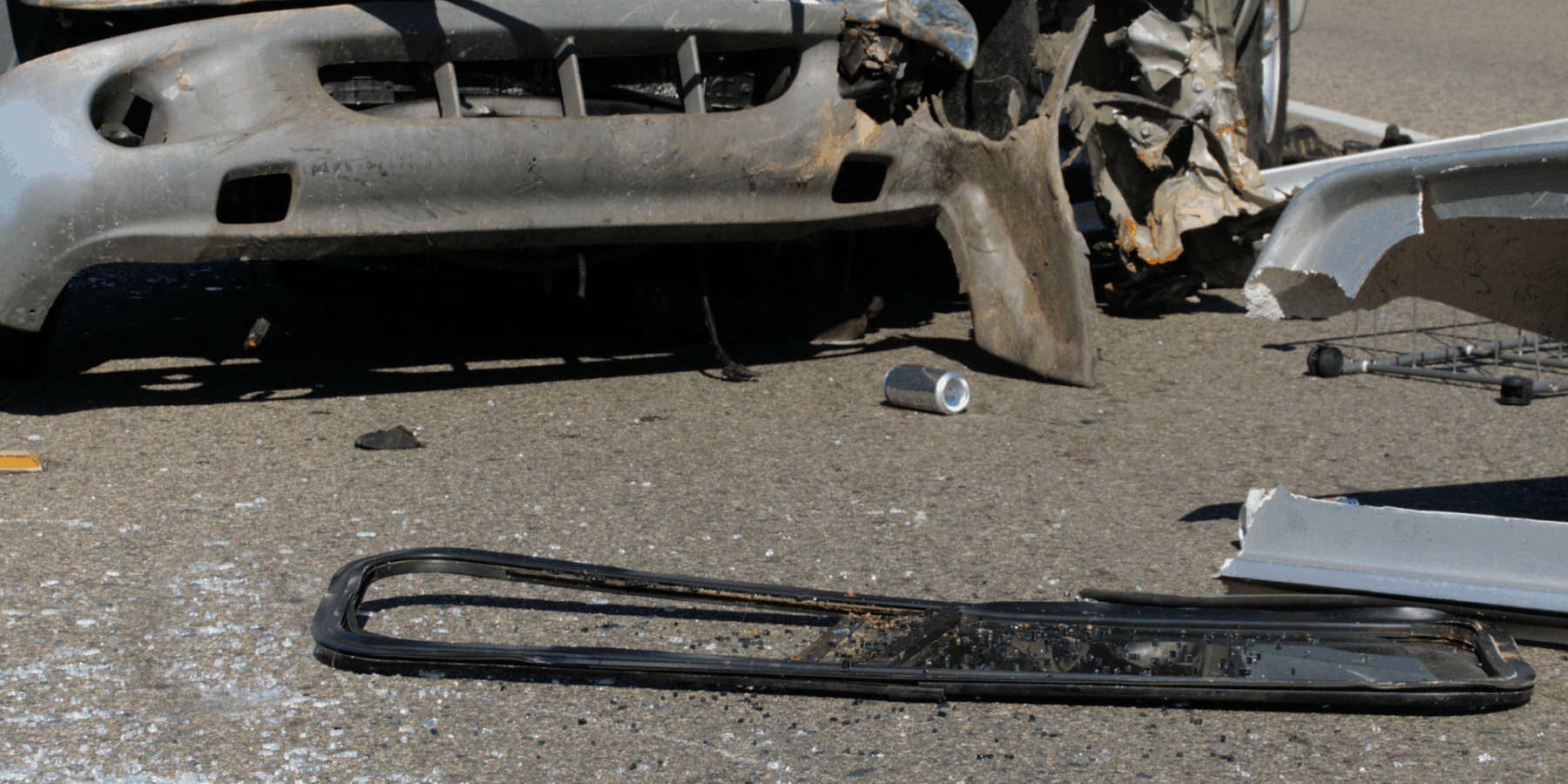
A DUI-related crash on southbound I-5 left a Tacoma woman in critical condition and injured a child last Friday night, according to KIRO 7. The collision occurred just before 10 p.m. near the Wapato Way East overpass in Fife, where a Mercedes rear-ended another vehicle that had slowed near a tow truck on the shoulder. The impact caused the vehicle to strike the right shoulder barrier, leaving both vehicles blocking two right lanes of the freeway for more than four hours. Authorities believe the man driving the Mercedes was impaired and have booked him into the Pierce County Jail on investigation of DUI and vehicular assault as the investigation continues.
This DUI-related crash highlights the severe danger impaired driving poses to everyone on Washington roadways, especially innocent passengers and children. A single decision to drive while impaired can lead to catastrophic injuries, long-lasting trauma, and life-altering consequences for multiple families in an instant. Victims of impaired driving crashes often face extensive medical treatment, emotional distress, and significant financial uncertainty while trying to make sense of what happened. Working with one of our experienced Washington car accident attorneys at Bernard Law can help protect your rights, clarify your legal options, and pursue compensation from responsible parties. If you or a loved one was injured in a DUI crash in Pierce County and the Tacoma area, call us today at (206) 984-8719.
How an Experienced Tacoma DUI Crash Lawyer Can Help
After a Tacoma DUI crash, victims are often left dealing with serious injuries, emotional trauma, and uncertainty about how to move forward, and Bernard Law understands how overwhelming this process can be. DUI cases frequently involve both criminal investigations and complex civil claims, requiring careful coordination and thorough evidence review. Our team works to gather police reports, toxicology results, witness statements, and crash scene evidence to build a clear picture of what happened. We focus on identifying all liable parties and protecting our clients from insurance tactics that may undervalue their claims.
Having experienced legal guidance can make a meaningful difference in the outcome of a DUI-related injury case. We handle communication with insurance companies, evaluate the full extent of damages, and pursue compensation for medical expenses, lost income, and emotional suffering. At Bernard Law, we’re committed to standing up for those harmed by impaired drivers and ensuring their voices are heard throughout the legal process. Our goal is to provide clarity, support, and strong advocacy while helping clients move forward after a Tacoma DUI crash.
Criminal Charges and Civil Claims After a Tacoma DUI Crash
A Tacoma DUI crash often triggers both criminal charges and civil legal claims. These two processes serve different purposes and follow separate legal paths. Criminal cases focus on punishment and public safety. Civil claims focus on compensating injured victims. Understanding the distinction helps victims know what to expect.
Criminal DUI Charges in Washington State
Criminal DUI charges are handled by the state after a Tacoma DUI crash. Prosecutors decide whether to file charges based on evidence. These cases focus on proving impairment beyond a reasonable doubt. Penalties may include jail time, fines, or license suspension. Victims are not parties to the criminal case.
How Criminal Investigations Are Conducted
Law enforcement gathers evidence such as breath tests and field sobriety results. Officers document observations at the crash scene. Blood tests may be used when available. Dash cameras and witness statements are often reviewed. This evidence supports criminal prosecution.
Purpose of Criminal DUI Proceedings
The criminal case aims to hold impaired drivers accountable under the law. Penalties are intended to deter dangerous behavior. Courts focus on public safety rather than victim compensation. Convictions may result in lasting criminal records. Victims may feel justice is only partially addressed.
Why Criminal Cases Do Not Provide Compensation
Criminal courts do not award damages to victims. Fines paid go to the state, not injured parties. Restitution may be limited in scope and medical bills and lost wages remain unpaid. Civil claims address these losses separately.
Civil Injury Claims After a Tacoma DUI Crash
The civil claims allow victims to seek financial compensation after a Tacoma DUI crash. These claims are typically filed against the impaired driver. Insurance companies are often involved. Civil cases use a lower burden of proof. Compensation focuses on victim losses.
What Civil Claims Can Recover
Civil claims may cover medical expenses and lost income. Pain and emotional distress may also be included. Future medical needs can be considered. Property damage is often recoverable. Each claim depends on documented losses.
How Criminal Charges Affect Civil Claims
A DUI charge can strengthen a civil claim after a Tacoma DUI crash. Evidence from criminal cases may be used in civil proceedings. A conviction can support liability arguments. However, civil claims do not depend on convictions. They proceed independently.
Why Civil Claims Can Move Forward Regardless
Civil cases rely on a preponderance of evidence. Criminal cases require higher proof standards. Even dismissed charges may still support civil liability. Victims do not need to wait for criminal outcomes. Timing can be important.
Role of Insurance in Civil DUI Claims
Insurance plays a major role in civil claims after a Tacoma DUI crash. Insurers may attempt to limit payouts despite DUI evidence. Policy limits may restrict available compensation. Negotiations often become contentious. Documentation is critical.
How DUI Affects Insurance Coverage
Some policies exclude intentional acts but still cover negligence. DUI does not automatically void coverage. Insurers may dispute claim value aggressively. Policy language must be reviewed carefully. Coverage questions often arise.
Wrongful Death Claims in Fatal DUI Crashes
Fatal Tacoma DUI crashes may lead to wrongful death civil claims. These claims are brought by surviving family members. Compensation may include funeral costs and lost support. Emotional losses may also be considered. These cases address profound harm.
How Wrongful Death Claims Differ
Wrongful death claims involve unique legal rules. Eligible family members are defined by law. Damages focus on family impact. Evidence requirements may differ. Careful evaluation is necessary.
Importance of Coordinating Criminal and Civil Matters
Criminal and civil cases may proceed simultaneously after a Tacoma DUI crash. Evidence timing and availability can affect both. Statements made in one case may impact the other. Coordination helps protect victim interests. Strategic planning is important.
How Legal Guidance Helps Manage Both Processes
Legal guidance helps track both proceedings carefully. Attorneys monitor evidence developments. Communication risks are managed effectively. Victims avoid unnecessary complications. Support provides clarity throughout.
Why Understanding Both Paths Matters
Knowing the difference between criminal charges and civil claims empowers victims. Expectations become more realistic. Victims understand where compensation comes from. Legal decisions become more informed. Clarity reduces stress during recovery.
How Knowledge Supports Better Outcomes
Informed victims make better choices. Deadlines are easier to track. Evidence is preserved appropriately. Claims are pursued efficiently. Understanding strengthens recovery efforts.
What to Do After a Tacoma DUI Crash
A Tacoma DUI crash can leave victims shaken, injured, and unsure how to respond. These incidents often involve serious injuries and criminal investigations. The actions taken immediately afterward can affect health, safety, and future claims. Knowing the proper steps helps protect important rights. Calm, informed decisions are essential during this stressful time.
Seek Immediate Medical Attention
Medical care should be the first priority after a Tacoma DUI crash. Even injuries that seem minor can worsen later. Emergency responders can assess hidden trauma at the scene. Prompt treatment supports recovery and safety. Medical records also document injury timing.
Why Early Medical Evaluation Matters
Adrenaline can mask pain after a traumatic crash. Internal injuries may not show immediate symptoms. Delayed treatment can increase complications. Early care helps prevent long-term harm. Medical documentation is also critical later.
Call Law Enforcement and Remain at the Scene
Law enforcement should always be contacted after a Tacoma DUI crash. Officers secure the scene and begin the investigation. DUI evidence must be documented promptly. Leaving the scene can create serious legal problems. Cooperation helps establish accurate records.
What Officers Typically Document
Officers may conduct impairment evaluations. They document vehicle damage and roadway conditions. Witness statements are often collected. Field sobriety results may be recorded. These details influence both criminal and civil cases.
Ensure the Scene Is Safe
After a Tacoma DUI crash, safety risks may remain. Vehicles may block traffic lanes or leak fluids. Emergency responders help manage traffic flow. Staying alert helps prevent secondary accidents. Scene safety protects everyone involved.
How Secondary Collisions Occur
Stopped vehicles may surprise approaching drivers. Poor visibility can increase danger. Debris may scatter across lanes. Other motorists may not slow in time. Securing the scene reduces additional risk.
Document the Crash Scene if Possible
If physically able, document the scene carefully. Take photos of vehicles, damage, and road conditions. Capture skid marks and nearby signage. Obtain witness contact information. Documentation preserves details that may change quickly.
Why Documentation Is Important
Crash scenes are often cleared quickly. Vehicles may be towed or repaired. Witness memories can fade. Photos provide objective evidence. Documentation strengthens future claims.
Avoid Discussing Fault or Impairment
Emotions often run high after a Tacoma DUI crash. Avoid admitting fault or making assumptions. Statements made under stress can be misunderstood. Even casual remarks may be used later. Focus on facts and safety only.
How Statements Can Be Misused
Insurance companies may review statements carefully. Apologies may appear as admissions. Incomplete comments can create confusion. Fault should be determined through investigation. Protecting your words protects your rights.
Notify Insurance Companies Carefully
Report the crash to your insurance company promptly. Provide basic facts without speculation. Avoid recorded statements until you understand your options. Insurers may seek information affecting coverage. Careful communication is important.
Why Insurance Calls Require Caution
Early statements may not reflect full injuries. Recorded comments may be used later. Guessing details can weaken claims. Asking questions is appropriate. Thoughtful responses protect interests.
Follow Medical Treatment and Track Recovery
Continue all recommended medical treatment after a Tacoma DUI crash. Attend follow-up appointments and therapy sessions. Keep records of diagnoses and expenses. Gaps in care may raise questions. Consistent treatment supports recovery.
How Medical Records Support Claims
Medical records connect injuries to the crash. They show severity and progression of treatment. Consistent documentation strengthens credibility. Records also help calculate damages. Organization is essential.
Consider Legal Guidance Early
Legal guidance can be especially important after a Tacoma DUI crash. DUI cases often involve criminal and civil proceedings. Early support helps preserve evidence and protect rights. Guidance reduces confusion and stress. Professional help provides clarity.
How Early Guidance Makes a Difference
Early assistance helps identify responsible parties. Evidence is preserved more effectively. Deadlines are easier to track. Communication with insurers becomes manageable. Support protects long-term interests.
Insurance Challenges Following a Tacoma DUI Crash
Insurance claims after a Tacoma DUI crash are often more complicated than standard accident cases. DUI involvement changes how insurers approach liability and payouts. Insurance companies may act quickly to protect their financial interests. Victims can face delays, disputes, and pressure to settle early. Understanding these challenges helps explain why careful handling is important.
Dealing With Aggressive Insurance Company Tactics
Insurance companies often use aggressive strategies after a Tacoma DUI crash. Adjusters may contact victims shortly after the incident. Early settlement offers may be presented as quick solutions. These offers often undervalue the true impact of injuries. Victims may feel pressured to respond quickly.
Why Early Settlement Offers Can Be Risky
Early offers rarely account for long-term medical needs. Full injury severity may not yet be known. Accepting an offer may waive future rights. Once settled, claims usually cannot be reopened. Caution protects long-term recovery.
Disputes Over Liability and Fault Allocation
Even when impairment is suspected, insurers may still dispute liability. A Tacoma DUI crash may involve arguments about shared fault. Insurers may claim other drivers contributed to the crash. Comparative fault arguments can reduce payouts. Liability disputes often delay resolution.
How Fault Disputes Affect Claims
Disputed liability can slow negotiations significantly. Compensation amounts may be reduced. Victims may face prolonged uncertainty. Additional evidence may be required. Clear documentation becomes critical.
Multiple Insurance Policies and Coverage Issues
A Tacoma DUI crash may involve multiple insurance policies. The impaired driver’s policy may have limits. Additional coverage may be disputed. Policy exclusions may be raised. Identifying all available coverage can be complex.
Why Coverage Questions Commonly Arise
Insurers may argue exclusions apply due to impairment. Policy language can be confusing. Coverage limits may be insufficient for severe injuries. Multiple policies may need coordination. Careful review is necessary.
Delays in Claim Processing and Investigations
Insurance investigations often take longer after a Tacoma DUI crash. Insurers may wait for criminal case developments. Requests for additional documentation may increase. These delays can strain victims financially. Prolonged timelines are common.
How Delays Impact Injured Victims
Medical bills may accumulate quickly. Lost income can increase financial stress. Uncertainty can affect recovery. Delays may push victims toward unfair settlements. Timely progress is important.
Requests for Recorded Statements and Medical Records
Insurers frequently request recorded statements after a Tacoma DUI crash. Extensive medical records may also be requested. Some requests may feel intrusive. Statements may be used to challenge claims. Careful handling is required.
Why Recorded Statements Require Caution
Statements are often taken early in recovery. Injuries may not be fully understood. Inconsistent statements may be used later. Declining or delaying statements may be appropriate. Thoughtful responses protect interests.
Policy Limits and Underinsured Driver Concerns
The impaired driver’s insurance limits may be insufficient. Severe injuries often exceed minimum coverage amounts. Victims may need to explore underinsured motorist coverage. Policy limits can restrict recovery. Understanding options is important.
How Underinsured Coverage Can Help
Underinsured coverage may supplement recovery. Policy terms determine availability. Proper notice must be given. Coverage limits vary. Reviewing policies early helps.
Why Legal Guidance Helps Navigate Insurance Challenges
Insurance challenges after a Tacoma DUI crash can be difficult to manage alone. Legal guidance helps protect against unfair tactics. Attorneys handle communication and negotiations. Support ensures claims are presented accurately. Guidance improves outcomes.
How Legal Support Levels the Playing Field
Legal professionals understand insurer strategies. Evidence is organized effectively. Deadlines are monitored carefully. Victims avoid unnecessary pressure. Support provides confidence during the process.
Compensation Available After a Tacoma DUI Crash
A Tacoma DUI crash can cause extensive physical, emotional, and financial harm for victims and their families. Compensation is intended to help address these losses and support long-term recovery. DUI-related collisions often result in more severe injuries than other crashes. Victims may be entitled to multiple categories of damages. Understanding available compensation helps ensure losses are fully considered.
Medical Expenses and Ongoing Treatment Costs
Medical expenses are often significant after a Tacoma DUI crash. Compensation may cover emergency care, hospital stays, and surgical procedures. Ongoing treatment such as physical therapy may also be included. Prescription medications and medical equipment add additional costs. Accurate medical records are essential.
Why Future Medical Costs Must Be Considered
Some injuries require long-term or lifelong treatment. Symptoms may worsen or reappear over time. Future care costs should be included in any claim. Ignoring future needs can create financial hardship. Medical evaluations help estimate ongoing expenses.
Lost Wages and Reduced Earning Capacity
Many victims miss work while recovering from a Tacoma DUI crash. Compensation may include wages lost during recovery. Serious injuries may prevent returning to the same job. Reduced earning capacity can affect long-term financial stability. These losses require careful documentation.
How Income Loss Is Calculated
Pay stubs and employment records support wage loss claims. Medical restrictions help demonstrate work limitations. Tax records may also be reviewed. Clear documentation strengthens compensation requests. Accurate calculations support fair recovery.
Pain and Suffering Damages
Pain and suffering damages address physical discomfort and emotional distress. A Tacoma DUI crash can disrupt daily routines and quality of life. These damages consider injury severity and recovery length. Emotional trauma may also be included. Personal impact is important.
Factors That Influence Pain and Suffering Awards
Severity of injuries affects compensation levels. Length of recovery is considered carefully. Emotional effects such as anxiety may be evaluated. Consistent medical reporting supports claims. Documentation helps illustrate impact.
Property Damage and Vehicle Loss
Property damage compensation covers repair or replacement of damaged vehicles. Tacoma DUI crashes often result in significant vehicle damage. Towing and storage costs may also be included. Personal property inside the vehicle may be damaged. Accurate estimates are important.
How Vehicle Value Is Determined
Repair estimates assess damage severity. Vehicles may be declared total losses. Mileage and condition affect valuation. Insurance assessments may be challenged. Clear records support fair valuation.
Out of Pocket and Related Expenses
Additional expenses often arise after a Tacoma DUI crash. Transportation costs and home assistance may be necessary. Medical travel and childcare expenses may qualify. Small expenses can add up quickly. Tracking costs helps ensure recovery.
Why Expense Documentation Matters
Unrecorded expenses may not be reimbursed. Detailed records support compensation claims. Early tracking prevents forgotten costs. Organization strengthens recovery efforts. Documentation protects full compensation.
Emotional Distress and Psychological Harm
DUI crashes often cause significant emotional trauma. Victims may experience anxiety, depression, or post traumatic stress. These effects can interfere with daily functioning. Compensation may address psychological harm. Mental health treatment records support these claims.
Why Emotional Injuries Deserve Recognition
Emotional injuries can persist long after physical healing. Symptoms may emerge weeks later. Treatment can improve long-term outcomes. Emotional harm affects quality of life. These losses should not be overlooked.
Wrongful Death Compensation in Fatal DUI Crashes
When a Tacoma DUI crash results in death, families may pursue wrongful death compensation. Damages may include funeral expenses and lost financial support. Loss of companionship may also be considered. These claims address profound family losses. Careful evaluation is required.
How Wrongful Death Damages Are Evaluated
Courts consider financial and emotional impacts on surviving relatives. Family relationships are reviewed carefully. Future income contributions may be calculated. Documentation supports these claims. Evaluation focuses on long-term consequences.
Why Full Compensation Evaluation Is Important
Failing to identify all damages can limit recovery unfairly. Some losses are not immediately obvious. Long-term financial and emotional effects must be considered. Comprehensive evaluation supports fair outcomes. Preparation protects victim interests.
How Legal Guidance Helps Maximize Compensation
Legal guidance helps identify all compensable losses. Attorneys gather records and expert support. Claims are presented clearly and accurately. This approach strengthens recovery efforts. Victims benefit from experienced evaluation.

Time Limits for Filing a Tacoma DUI Crash Injury Claim
Time limits are a critical factor after a Tacoma DUI crash injury. Washington law places strict deadlines on when injured victims may pursue legal action. Missing these deadlines can permanently bar recovery, regardless of injury severity or fault. Many victims are unaware of how quickly time passes after a crash. Understanding these limits early helps protect legal rights.
Washington’s Statute of Limitations for DUI Injury Claims
Washington generally allows three years to file a personal injury claim after a Tacoma DUI crash. This time period usually begins on the date of the accident. Claims filed after the deadline are typically dismissed by the court. Judges rarely grant extensions once the limit expires. Acting within this timeframe is essential.
Why the Statute of Limitations Is Strictly Enforced
Statutes of limitations promote fairness and reliability in legal proceedings. Evidence becomes harder to collect as time passes. Witness memories may fade or change. Courts prioritize timely resolution of disputes. Strict enforcement encourages prompt action.
How Criminal DUI Cases Affect Filing Deadlines
Criminal DUI proceedings do not pause civil filing deadlines. A Tacoma DUI crash injury claim must still be filed on time. Victims sometimes wait for criminal outcomes before acting. This delay can be costly. Civil claims move independently of criminal cases.
Why Waiting for Criminal Resolution Can Be Risky
Criminal cases may take months or years to resolve. Filing deadlines continue during that time. Waiting may cause victims to miss their opportunity. Civil claims protect financial recovery. Early action preserves rights.
Deadlines in Cases Involving Serious Injuries
Severe injuries often require long recovery periods. However, extended medical treatment does not extend filing deadlines. Victims must still act within the legal timeframe. Ongoing care does not pause the statute. Awareness prevents missed opportunities.
How Injury Recovery Can Mask Deadline Risks
Victims may focus entirely on healing. Legal concerns may seem less urgent. Time may pass unnoticed. Deadlines can arrive unexpectedly. Early planning avoids last minute stress.
Time Limits in Fatal Tacoma DUI Crashes
When a Tacoma DUI crash results in death, wrongful death deadlines apply. These claims are generally subject to a three year filing limit. The deadline typically begins on the date of death. Families must act within this period. Delay can forfeit important rights.
Why Wrongful Death Deadlines Matter
Families often need time to grieve. Legal deadlines do not pause for emotional recovery. Missing the deadline can bar compensation entirely. Early awareness is critical. Support helps families navigate timing.
Claims Involving Government Entities
Some Tacoma DUI crash injury claims may involve government agencies. These cases often have shorter notice requirements. Special procedures may apply before filing a lawsuit. Missing these requirements can bar claims entirely. Early review is essential.
How Government Claims Differ
Government claims may require advance written notice. Deadlines can be much shorter than standard claims. Additional documentation may be required. These rules are strictly enforced. Mistakes can eliminate recovery options.
Tolling and Rare Exceptions to Filing Deadlines
In limited circumstances, filing deadlines may be paused or extended. This is known as tolling under Washington law. Tolling applies only in specific situations. Courts apply these exceptions narrowly. Most cases do not qualify.
When Tolling May Apply
Tolling may involve fraud or concealed wrongdoing. It may also apply in rare incapacity cases. Proof requirements are strict. Courts closely examine tolling claims. Legal analysis is necessary.
How Insurance Negotiations Affect Filing Time
Insurance negotiations do not pause filing deadlines. Ongoing settlement discussions may create a false sense of security. Missing the deadline can end leverage entirely. Lawsuits must be filed on time regardless of negotiations. Awareness protects claims.
Why Insurance Delays Can Be Dangerous
Insurers may prolong negotiations strategically. Victims may believe settlement is imminent. Deadlines may expire during talks. Once expired, legal options disappear. Timely filing preserves leverage.
Why Legal Guidance Helps Protect Filing Rights
Calculating deadlines after a Tacoma DUI crash injury can be complex. Multiple rules may apply depending on the situation. Legal guidance helps track deadlines accurately. Attorneys ensure procedural requirements are met. Support prevents irreversible mistakes.
How Legal Support Makes a Difference
Legal teams monitor all relevant deadlines carefully. Filings are prepared correctly and on time. Evidence is preserved early. Victims gain peace of mind. Guidance protects the right to compensation.
Contact a Skilled Tacoma DUI Crash Attorney Today
The aftermath of a DUI-related collision can be overwhelming, especially when serious injuries or a child are involved. At Bernard Law, we regularly help families who are suddenly facing mounting medical bills, missed work, and emotional stress after an impaired driving crash. Our attorneys understand how confusing insurance claims and legal questions can feel during this time, and we step in to provide clear guidance and steady support. By handling insurer communications and explaining your options in plain terms, Bernard Law helps protect your rights and gives you the confidence to move forward.
If you or a loved one was injured in a Tacoma DUI crash, you never have to face the process alone. The team at Bernard Law is prepared to provide compassionate support and strong advocacy from the start. Our attorneys take the time to listen to your story, explain your legal options, and develop a strategy tailored to your specific situation. We work to hold impaired drivers accountable and pursue the compensation you deserve for your injuries and losses, including medical expenses, lost income, and emotional harm. By handling the legal complexities and insurance negotiations, we allow you to focus on healing and protecting your family. Call (206) 984-8719 today or schedule a consultation online to learn how we can help you move forward.
Contact usfor a free consultation.
Phone: (206) 312-3908