
A serious semi-truck accident in Seattle caused major disruptions after a big rig overturned and blocked the eastbound ramp to Interstate 90 from 4th Avenue South, according to KOMO News. Washington State Patrol and transportation officials responded quickly to manage the scene as crews worked to clear the overturned truck and restore traffic flow. The crash led to significant delays for commuters traveling through the area, highlighting the impact that large commercial vehicle accidents can have on busy roadways. Authorities continue investigating what caused the rollover and whether any contributing factors played a role. Incidents like this demonstrate how dangerous truck accidents can become in heavily traveled urban areas.
Accidents involving large commercial vehicles often create complex and overwhelming situations for those involved. At Bernard Law, we understand how difficult a semi-truck accident in Seattle can be when you are dealing with injuries, financial stress, and uncertainty about what comes next. We work closely with our clients to help them understand their rights and pursue compensation for their losses. Our team remains committed to providing clear guidance and strong advocacy throughout every stage of the legal process. If you or a loved one has been affected by a serious truck accident, call us today at (206) 350-3950 to discuss your case and learn how we can help.
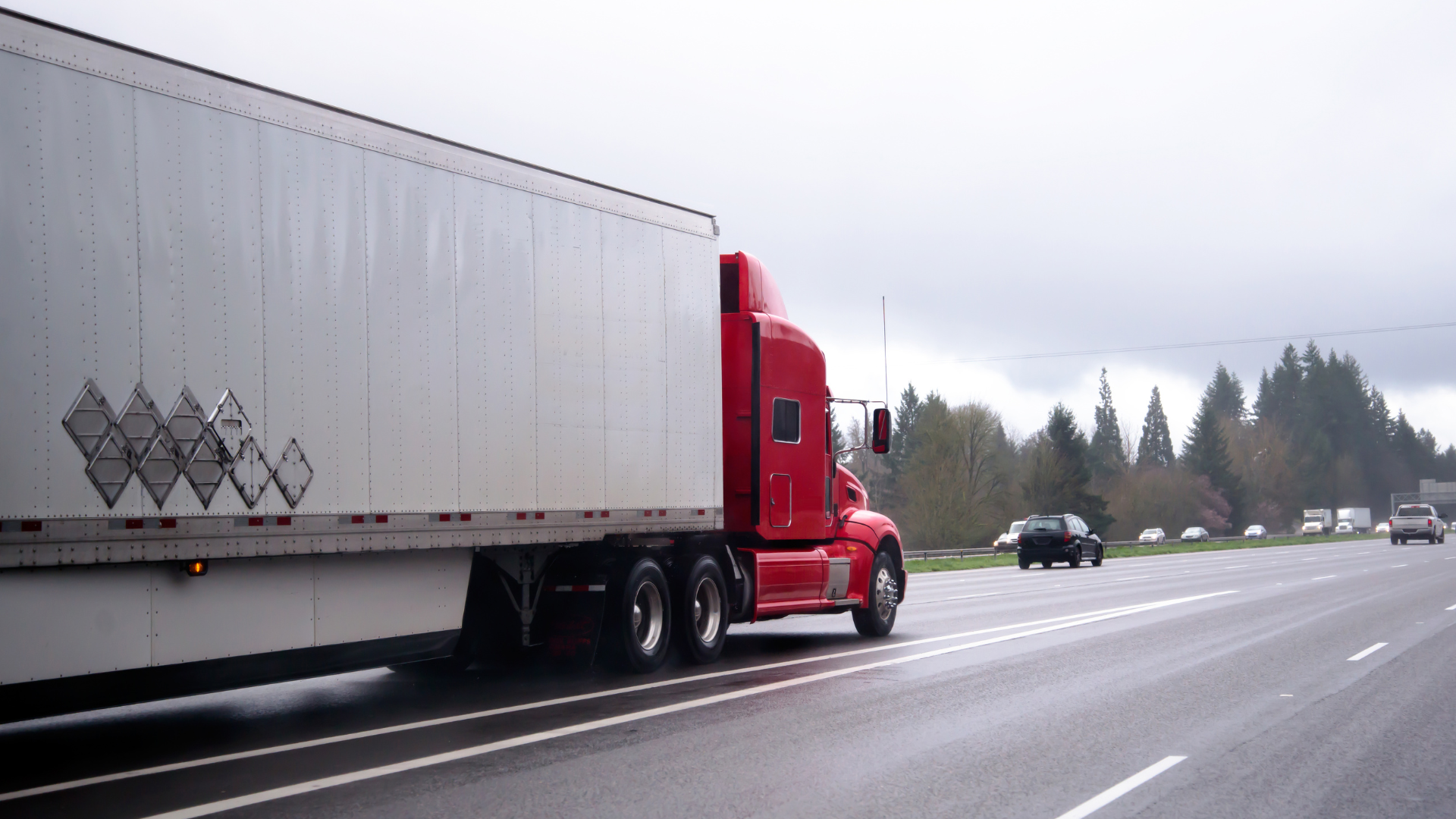
Why Legal Support Matters After a Semi-Truck Accident in Seattle
At Bernard Law, we understand that a semi-truck accident in Seattle often involves complex liability issues, multiple parties, and detailed investigations that require immediate attention. We analyze accident reports, gather evidence, and evaluate factors such as driver behavior, vehicle maintenance, and company practices to determine how the crash occurred. Our team builds strong claims that demonstrate negligence while protecting our clients’ rights throughout the legal process. We challenge insurance companies and trucking companies that attempt to minimize responsibility or reduce compensation. Through this approach, we help position our clients for stronger outcomes.
We also recognize that truck accidents frequently result in serious injuries, long-term medical care, and financial hardship that can affect every aspect of daily life. We guide our clients through each step while helping them make informed decisions about their case. Our team evaluates medical records, lost income, and long-term impacts to ensure nothing gets overlooked. We pursue compensation that reflects both immediate and future needs. With our support, clients can focus on recovery while we handle the legal complexities.

How Federal Trucking Regulations Impact a Semi-Truck Accident in Seattle Case
Federal trucking regulations play a significant role in determining liability and building a strong claim after a semi-truck accident in Seattle. These rules, enforced by the Federal Motor Carrier Safety Administration (FMCSA), govern how trucking companies and drivers must operate. When violations occur, they can directly contribute to accidents and strengthen a victim’s case. Understanding how these regulations apply helps clarify responsibility and supports legal strategy. A detailed review of compliance often reveals critical evidence.
In addition, trucking companies must follow strict safety standards related to driver hours, vehicle maintenance, and cargo handling. Failure to follow these rules can indicate negligence and create liability beyond the driver alone. Attorneys often examine these violations closely when building a claim. This approach helps uncover contributing factors that may not be immediately obvious. Regulatory compliance plays a key role in these cases.
Hours-of-Service Violations
Federal law limits how long truck drivers can operate without rest to reduce fatigue-related accidents. These hours-of-service rules help ensure drivers remain alert on the road. Violations of these limits can increase the risk of serious crashes. Reviewing driver logs helps identify these issues.
Driver Fatigue and Logbook Analysis
Attorneys examine driver logbooks and electronic logging device data to determine whether the driver exceeded allowable hours. Fatigue can slow reaction time and impair judgment. Identifying these violations strengthens the case. This evidence often plays a central role.
Pressure From Trucking Companies
Some companies may pressure drivers to meet unrealistic deadlines, leading to rule violations. Attorneys evaluate company practices to determine whether they contributed to unsafe behavior. Holding companies accountable supports stronger claims. This step expands liability.
Vehicle Maintenance and Inspection Requirements
Trucking companies must maintain their vehicles according to strict federal standards. Proper maintenance helps prevent mechanical failures that can lead to accidents. Violations of these requirements can indicate negligence. Reviewing maintenance records provides important insight.
Failure to Maintain Critical Systems
Attorneys examine whether brakes, tires, and other essential components received proper maintenance. Mechanical failures often contribute to serious truck accidents. Identifying these issues helps establish fault. This strengthens the case.
Inspection Record Violations
Federal regulations require routine inspections and documentation. Missing or incomplete records may indicate non-compliance. Attorneys review these records to uncover potential violations. Proper documentation remains essential.
Cargo Loading and Safety Compliance
Improperly loaded cargo can shift during transit and cause a loss of control. Federal regulations require secure and balanced loading to prevent accidents. Violations of these rules can create additional liability. Attorneys evaluate these factors carefully.
Overloaded or Unsecured Cargo
Attorneys investigate whether the truck carried excess weight or improperly secured cargo. These issues can affect braking and stability. Identifying cargo violations helps explain how the crash occurred. This supports liability claims.
Third-Party Loading Responsibility
In some cases, third-party companies handle cargo loading. Attorneys evaluate whether these parties contributed to the accident. Holding all responsible parties accountable strengthens the claim. This approach improves outcomes.

How Long You Have to File a Claim After a Semi-Truck Accident in Seattle
After a semi-truck accident in Seattle, understanding how much time you have to file a claim plays a critical role in protecting your right to compensation. Washington law sets strict deadlines that determine how long you have to take legal action. Missing these deadlines can prevent you from recovering damages, regardless of how strong your case may be. Acting within the required timeframe ensures that your claim remains valid. Taking early action also helps preserve evidence and strengthen your case.
In addition, truck accident cases often involve complex investigations that require time to fully develop. Waiting too long can make it more difficult to gather evidence and identify all responsible parties. Starting the process early allows for a more thorough and organized approach. Understanding these timelines helps you avoid unnecessary risks. Staying proactive improves your chances of success.
Washington Statute of Limitations for Truck Accident Claims
Washington law establishes deadlines for filing personal injury and property damage claims. These timelines apply to truck accident cases and must be followed carefully. Knowing the applicable deadline helps ensure timely action. This step remains essential.
Three-Year Deadline for Personal Injury Claims
In most cases, victims have three years from the date of a semi-truck accident in Seattle to file a personal injury lawsuit. Filing after this deadline may result in dismissal of the case. Acting early helps ensure compliance with this requirement. This deadline remains critical.
Property Damage Claim Timeframe
Claims for vehicle damage or other property losses also typically follow a three-year deadline. Tracking this timeline ensures that all aspects of the claim remain protected. Understanding both deadlines helps prevent missed opportunities. Proper timing supports your case.
Exceptions That May Affect Filing Deadlines
Certain circumstances may change standard filing deadlines depending on the details of the case. These exceptions can shorten or extend the time available. Understanding these factors helps prevent unexpected issues. Each case may involve unique considerations.
Claims Involving Government Entities
If a government agency contributed to the crash, different rules may apply. These claims often require notice within a shorter period. Missing this deadline can limit your ability to pursue compensation. Awareness remains essential. Prompt action is required.
Delayed Discovery of Injuries
Some injuries may not become apparent immediately after the crash. In limited situations, the timeline may adjust based on when the injury was discovered. Proper documentation helps support this exception. Understanding this rule protects your rights.

What to Expect During a Semi-Truck Accident Lawsuit in Seattle
A semi-truck accident in Seattle lawsuit often involves multiple stages that require careful preparation, detailed investigation, and strategic decision-making. These cases tend to be more complex than standard car accident claims because they often include multiple liable parties, extensive evidence, and serious damages. Each phase of the lawsuit plays a role in determining how the case progresses and ultimately resolves. Understanding what to expect helps reduce uncertainty and allows victims to approach the process with greater confidence. A structured and proactive approach supports a stronger claim from the beginning.
In addition, truck accident lawsuits often involve both aggressive negotiations and the possibility of litigation if disputes cannot be resolved. Trucking companies and insurers typically have legal teams working to limit liability, which makes preparation especially important. Staying organized and informed throughout the process helps ensure that no key opportunity gets overlooked. Each step builds on the previous one, which makes early preparation critical. This level of readiness improves the likelihood of a favorable outcome.
Filing the Lawsuit and Beginning the Case
The legal process begins when a lawsuit is formally filed against the responsible parties, which may include the truck driver, trucking company, or other involved entities. This step establishes the legal claims and outlines the damages being pursued. Filing initiates deadlines and procedural requirements that both sides must follow. A strong and well-prepared filing sets the tone for the entire case.
Drafting and Filing the Complaint
The complaint provides a detailed account of how the semi-truck accident in Seattle occurred and explains why the defendant is legally responsible. It outlines injuries, damages, and the legal basis for the claim. Attorneys ensure that the complaint includes all necessary details to support the case. Accuracy and clarity remain essential at this stage. This document forms the foundation of the lawsuit.
Identifying All Defendants
Truck accident cases often involve multiple defendants, including the driver, employer, maintenance providers, or cargo handlers. Attorneys evaluate all potential parties to ensure full accountability. Naming the correct defendants helps maximize compensation opportunities. This step requires careful investigation. Proper identification strengthens the case.
Serving the Defendant
After filing, each defendant must receive formal notice of the lawsuit. This process ensures that all parties have an opportunity to respond. Proper service must follow strict legal procedures to avoid delays. Once served, defendants typically file responses or defenses. This step officially moves the case forward.
Early Case Strategy and Pre-Trial Motions
Before discovery begins, attorneys often develop a clear strategy and file motions that shape how the case proceeds. These early actions can influence what evidence is allowed and how the case unfolds. Strategic planning at this stage creates an advantage moving forward.
Filing Motions to Shape the Case
Attorneys may file motions to dismiss certain claims, exclude evidence, or clarify legal issues early in the case. These motions can narrow the focus of the lawsuit. Strong legal arguments at this stage help strengthen positioning. This step can impact the overall direction of the case.
Establishing Legal Theories of Liability
Attorneys determine the strongest legal arguments based on negligence, regulatory violations, or company liability. This includes evaluating federal trucking regulations and safety standards. Clear legal theories guide the entire case strategy. This step ensures consistency throughout the process.
Discovery Phase and Evidence Gathering
During discovery, both sides gather and exchange information that supports their claims or defenses. This phase often represents the most detailed part of the lawsuit. Discovery allows each party to evaluate the strengths and weaknesses of the case. Thorough preparation remains essential.
Collecting Records and Key Documentation
Attorneys gather critical evidence such as medical records, accident reports, driver logs, maintenance records, and electronic data from the truck. These documents help establish liability and damages. Organized and complete records strengthen the claim. This step builds the evidentiary foundation.
Depositions and Witness Testimony
Attorneys conduct depositions to question drivers, company representatives, witnesses, and experts under oath. These sessions help clarify facts and identify inconsistencies. Depositions also reveal how each side may present their case at trial. Preparation ensures effective questioning. This step adds depth to the case.
Expert Analysis and Reports
Experts such as accident reconstruction specialists and medical professionals may analyze evidence and provide detailed reports. These opinions help explain complex issues related to the crash and injuries. Expert testimony can strengthen arguments and clarify disputed facts. This step adds credibility.
Settlement Negotiations and Mediation
Many semi-truck accident cases resolve through settlement before reaching trial. Negotiations often occur after discovery when both sides understand the strengths of the case. A strong position during this phase can lead to favorable outcomes. Preparation plays a key role in successful negotiations.
Evaluating Settlement Offers
Attorneys review settlement offers based on the full value of damages, including medical costs, lost income, and long-term impact. Careful evaluation ensures that any agreement reflects the true extent of losses. Accepting an offer requires thoughtful consideration. This step protects your interests.
Participating in Mediation
Mediation involves a neutral third party who helps both sides reach a resolution. This process encourages open discussion and compromise. Attorneys present evidence and arguments to support their position. Mediation can resolve disputes efficiently. Preparation improves results.
Trial Preparation and Court Proceedings
If the case does not settle, it proceeds to trial where both sides present their arguments in court. Trial requires detailed preparation, organization, and strategic presentation of evidence. Each side works to persuade the judge or jury. This stage determines the final outcome.
Preparing Evidence and Witnesses
Attorneys organize documents, prepare exhibits, and work with witnesses to ensure clear and effective testimony. Strong preparation helps present a compelling case. Each piece of evidence must support the overall argument. This step plays a critical role at trial.
Presenting the Case in Court
During trial, attorneys present opening statements, examine witnesses, and introduce evidence. They also cross-examine opposing witnesses to challenge their claims. Clear and structured presentation strengthens credibility. This stage influences the final decision.
Verdict and Final Outcome
After reviewing all evidence, the judge or jury determines liability and the amount of compensation, if any. This decision concludes the trial phase of the case. In some situations, parties may pursue appeals. Understanding this process helps set expectations. The outcome depends on the strength of the case.
Timeline and Duration of the Lawsuit
The length of a semi-truck accident lawsuit in Seattle can vary depending on the complexity of the case and whether it settles or proceeds to trial. Some cases resolve within months, while others may take longer due to extensive discovery or multiple parties. Understanding the timeline helps manage expectations. Patience and preparation remain important.
Factors That Affect Case Duration
Several factors influence how long a case takes, including the number of defendants, amount of evidence, and court scheduling. Complex truck accident cases often require more time for investigation and preparation. Being aware of these factors helps explain delays. This step provides clarity.
Staying Informed Throughout the Process
Regular updates and clear communication help individuals understand the progress of their case. Staying informed allows for better decision-making at each stage. Awareness reduces uncertainty and builds confidence. Ongoing communication remains essential.

How Seattle Truck Accident Lawyers Support Accident Victims From the Start
After a semi-truck accident in Seattle, victims often face immediate challenges that require quick action and informed decisions. Seattle truck accident lawyers step in early to guide victims through the legal process while protecting their rights from the very beginning. These cases often involve complex liability, serious injuries, and multiple insurance companies, which makes early legal support essential. Attorneys focus on building a strong foundation by gathering evidence and identifying key issues right away. This approach helps ensure that no critical detail gets overlooked.
In addition, early involvement allows attorneys to take control of communication, preserve evidence, and prevent costly mistakes. Trucking companies and insurers often act quickly to protect their interests, which makes it important for victims to have representation as soon as possible. Attorneys develop strategies that reflect both immediate needs and long-term impacts. This proactive approach strengthens the case and improves potential outcomes. Early support provides clarity during a stressful time.
Launching an Immediate Investigation
Attorneys begin by investigating the semi-truck accident in Seattle as soon as possible to preserve key evidence. Early action helps secure details that may otherwise disappear or change. This step plays a critical role in building a strong claim. A timely investigation creates a solid foundation.
Securing Scene Evidence and Documentation
Attorneys collect photographs, video footage, and physical evidence from the crash scene. This includes vehicle damage, road conditions, and debris patterns. Preserving this information early helps establish how the accident occurred. Strong documentation supports liability. This step remains essential.
Obtaining Trucking Company Records
Attorneys request records such as driver logs, maintenance reports, and electronic data from the truck. These documents can reveal important details about driver behavior and vehicle condition. Identifying violations or errors strengthens the claim. Early access improves accuracy. This evidence often plays a key role.
Identifying All Liable Parties
Truck accident cases often involve multiple parties beyond the driver, including trucking companies, maintenance providers, and manufacturers. Attorneys evaluate each potential source of liability to ensure full accountability. This process helps maximize available compensation. Careful analysis remains important.
Evaluating Driver and Company Responsibility
Attorneys examine whether the driver followed safety regulations and whether the company enforced proper policies. Issues such as fatigue, improper training, or unsafe practices may contribute to the crash. Identifying these factors helps establish negligence. This step strengthens the case.
Investigating Third-Party Involvement
In some cases, third parties such as cargo loaders or maintenance providers may share responsibility. Attorneys review contracts and service records to determine involvement. Holding all responsible parties accountable supports a stronger claim. This approach improves outcomes.
Managing Communication With Insurance Companies
Attorneys take control of communication with insurance companies from the start to protect victims from unfair tactics. Insurers often attempt to gather statements or minimize claims early in the process. Legal representation ensures that communication remains controlled and strategic. This reduces risk for the victim.
Preventing Misleading or Harmful Statements
Attorneys advise clients on what to say and what to avoid when speaking with insurers. Statements made early can affect the outcome of the case. Careful communication helps protect the claim. This step prevents unnecessary complications.
Handling Multiple Insurance Claims
Truck accidents often involve multiple insurance policies and carriers. Attorneys coordinate these claims to ensure proper documentation and follow-up. This process reduces confusion and delays. Organized communication supports progress. Efficiency remains important.
Building a Strong Case Strategy Early
Attorneys develop a clear strategy based on the evidence, damages, and legal issues involved in the case. Early planning helps address challenges before they escalate. This approach strengthens the overall claim. A strong strategy improves the likelihood of success.
Evaluating Damages and Long-Term Impact
Attorneys assess medical costs, lost income, and future care needs to determine the full value of the claim. Serious truck accidents often involve long-term consequences that require careful evaluation. Including all damages ensures a complete claim. Accuracy supports fair compensation.
Preparing for Negotiation or Litigation
Attorneys prepare the case for both settlement negotiations and potential trial if necessary. This includes organizing evidence, developing arguments, and anticipating opposing strategies. Preparation improves outcomes in both scenarios. A well-prepared case creates leverage.
Providing Guidance and Support From Day One
Attorneys guide victims through every stage of the process while providing consistent communication and support. They explain legal steps, answer questions, and help clients make informed decisions. This guidance reduces uncertainty and builds confidence. Ongoing support plays a key role.
Keeping Clients Informed and Prepared
Attorneys provide updates and explain developments clearly so clients understand what to expect. This transparency helps individuals stay engaged in their case. Clear communication builds trust. Staying informed supports better decisions.
Allowing Victims to Focus on Recovery
Attorneys handle legal responsibilities such as paperwork, deadlines, and negotiations so clients can focus on healing. This support reduces stress and allows victims to prioritize their health. Managing the legal process efficiently helps move the case forward. Clients benefit from dedicated representation.

Contact an Experienced Seattle Truck Accident Lawyer Today
Taking action after a serious truck accident can make a meaningful difference in protecting your future and financial stability. At Bernard Law, we carefully evaluate your case and identify the strongest path forward based on the specific circumstances involved. We focus on building a claim that reflects the full impact of your injuries while keeping you informed throughout the process. Our team remains dedicated to advocating for your best interests from start to finish. This approach helps ensure you feel supported and prepared at every stage.
We understand how important it is to act quickly while evidence remains available and conditions can still be documented accurately. Our firm handles communication with insurance companies and works to strengthen your claim at every step. We remain committed to pursuing maximum compensation while providing consistent guidance throughout the process. With our experience and dedication, we help position our clients for the best possible outcome. Call us today at (206) 350-3950 or reach out online to schedule a consultation and take the next step forward.
Contact usfor a free consultation.
Phone: (206) 312-3908