
A Bellevue slip and fall lawyer can use many different types of evidence to build a strong premises liability claim. The success of a case often depends on proving that a hazardous condition existed, the property owner knew or should have known about it, and the dangerous condition caused the injury. Gathering evidence quickly can help preserve important details before they disappear or become more difficult to obtain. Understanding what information may support a claim allows injured individuals to make informed decisions after an accident. Early documentation frequently strengthens the overall case.
After a serious slip and fall accident, collecting evidence while recovering from an injury can feel overwhelming. Levine Law understands the challenges accident victims face and works diligently to investigate every aspect of a claim. Our team helps clients identify valuable evidence, communicate with insurance companies, and pursue the compensation they deserve. If you were injured because of unsafe property conditions, call us at (206) 350-3950 to discuss your case with our experienced legal team.
How a Bellevue Slip and Fall Lawyer Can Help
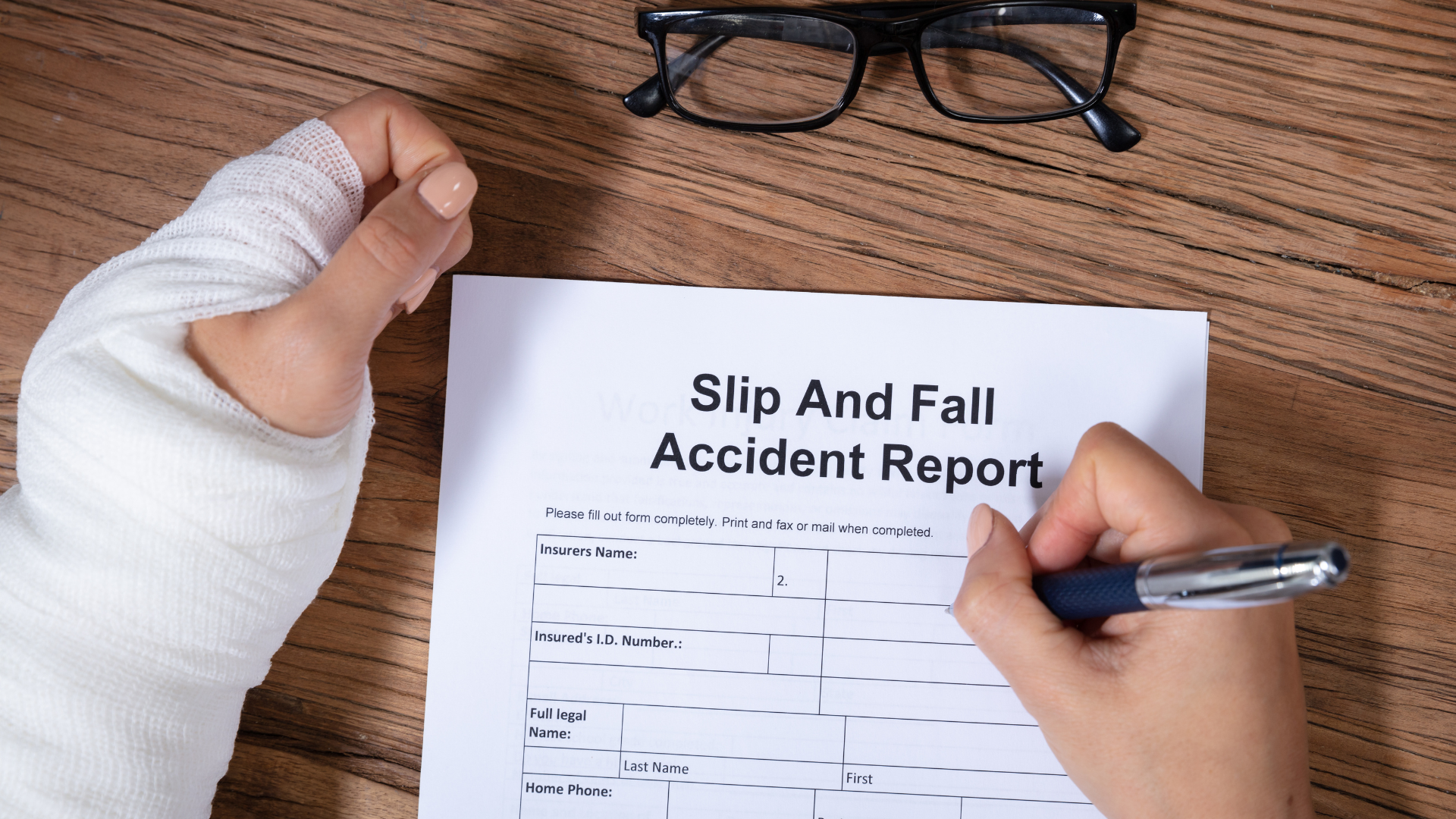
At Levine Law, our Bellevue slip and fall lawyer understands that strong evidence often forms the foundation of a successful premises liability claim. We carefully investigate every case by reviewing accident reports, photographs, surveillance footage, maintenance records, witness statements, and medical documentation. We also work to identify the hazardous conditions that contributed to the accident while evaluating whether the property owner failed to maintain reasonably safe premises. Our goal is to build the strongest claim possible while protecting our clients’ rights throughout the legal process. Every case receives the attention and preparation it deserves.
Slip and fall claims often involve complex factual and legal issues that require careful investigation. We work closely with our clients to preserve important evidence before it becomes unavailable and answer questions throughout every stage of the case. We also communicate with insurance companies, review available documentation, and develop strategies tailored to each client’s unique circumstances. Thorough preparation allows us to address potential challenges before they affect the claim. We remain committed to pursuing the best possible outcome for every client we represent.
Photographs Can Preserve Dangerous Conditions
Photographs often provide some of the most valuable evidence after a slip and fall accident. Images taken shortly after the incident may capture hazardous conditions before property owners repair or remove them. Clear photographs can document wet floors, uneven sidewalks, broken stairs, inadequate lighting, missing warning signs, or other dangerous conditions. Comprehensive visual evidence helps establish what the accident scene looked like at the time of the incident. Early documentation frequently strengthens the overall claim.
Document the Entire Accident Scene
Photographs should capture both close-up and wide-angle views of the accident location whenever possible. Images showing surrounding conditions often provide important context regarding how the accident occurred. Documenting nearby obstacles, lighting conditions, weather, and warning signs may also become valuable later. Thorough photographic evidence supports a more complete investigation. Every image may contribute meaningful information.
Capture Conditions Before They Change
Hazardous conditions are often repaired shortly after an accident occurs. Taking photographs quickly helps preserve evidence that may otherwise disappear. Accurate documentation provides investigators with valuable information during the claims process. Early action often benefits the overall case.
Include Visible Injuries
Photographs should also document visible injuries that resulted from the fall whenever appropriate. Bruising, swelling, cuts, and other injuries may change significantly during recovery. Maintaining a visual record helps demonstrate the severity of the injuries over time. Organized documentation strengthens the evidence supporting the claim. Every stage of recovery may become important.
Continue Taking Photos During Recovery
Some injuries develop or become more noticeable in the days following the accident. Continuing to document the healing process creates a complete record of physical recovery. Consistent documentation supports both medical treatment and legal claims. Organized records provide lasting value.
Witness Statements Can Support Your Version of Events
Individuals who observed the accident may provide valuable information regarding how the fall occurred and what conditions existed beforehand. Witnesses often notice important details that injured individuals may not remember after a sudden accident. Obtaining statements as soon as possible helps preserve accurate recollections while memories remain fresh. Independent observations frequently strengthen the credibility of a claim. Every witness may contribute important evidence.
Speak With Witnesses Promptly
Witnesses may become difficult to locate as time passes following an accident. Collecting names and contact information early helps preserve valuable testimony for future use. Prompt communication also reduces the likelihood that important details will be forgotten. Organized witness information benefits every stage of the investigation. Reliable testimony often supports stronger claims.
Record Accurate Contact Information
Obtaining complete names, telephone numbers, and email addresses makes future communication much easier. Accurate contact information allows investigators to follow up when additional questions arise. Organized records improve the efficiency of the investigation. Every detail may prove valuable later.
Independent Witnesses Add Credibility
Witnesses who have no personal connection to either party often provide particularly persuasive testimony. Their observations may help verify how the accident occurred and whether hazardous conditions existed beforehand. Independent accounts frequently strengthen the factual foundation of the claim. Objective testimony supports a thorough investigation. Every perspective matters.
Preserve Statements While Memories Remain Fresh
Witness recollections are generally more accurate shortly after an accident occurs. Recording statements early helps preserve important facts before memories naturally fade. Timely interviews improve the reliability of available evidence. Early preparation supports stronger claims.
Surveillance Video May Capture the Accident
Many businesses, apartment complexes, and commercial properties use surveillance cameras to monitor their premises. Video footage may capture the accident itself, the hazardous condition, or events leading up to the fall. Reviewing available recordings often provides objective evidence regarding how the incident occurred. Video evidence may also help establish how long a dangerous condition existed before the accident. Prompt action improves the likelihood that footage remains available.
Request Video Before It Is Deleted
Many surveillance systems automatically overwrite recordings after a relatively short period. Requesting preservation of available footage quickly helps reduce the risk of losing valuable evidence. Timely action supports a more complete investigation. Early preservation benefits the overall claim. Every day may matter.
Video Can Clarify Important Details
Surveillance footage may reveal information that photographs or witness statements cannot fully explain. Recordings often help investigators understand movement, timing, and surrounding conditions. Objective evidence strengthens the factual record. Careful review supports informed legal analysis.
Video May Confirm Hazardous Conditions
In some cases, surveillance footage shows how long a dangerous condition remained unaddressed before the accident occurred. This information may become important when evaluating whether reasonable property maintenance occurred. Reviewing available footage helps investigators develop a more complete understanding of the incident. Comprehensive evidence benefits every stage of the claim. Careful analysis remains essential.
Combine Video With Other Evidence
Surveillance footage often becomes even more valuable when reviewed alongside photographs, witness statements, accident reports, and maintenance records. Combining multiple sources creates a stronger factual foundation for the claim. Comprehensive investigations improve overall case preparation. Organized evidence supports better outcomes.
Medical Records Connect the Injuries to the Fall
Medical documentation plays an important role in demonstrating that injuries resulted from the slip and fall accident. Treatment records, diagnostic imaging, physician notes, rehabilitation records, and follow-up appointments help establish the nature and extent of the injuries. Maintaining complete medical documentation also demonstrates the ongoing impact of the accident. Thorough healthcare records support accurate damage evaluations. Every medical visit contributes important information.
Seek Medical Care Promptly
Receiving timely medical evaluation benefits both physical recovery and legal documentation. Early treatment creates records that connect injuries directly to the accident. Consistent medical care also demonstrates the progression of recovery over time. Comprehensive treatment records strengthen the claim. Every appointment matters.
Follow Recommended Treatment
Attending scheduled appointments and following healthcare recommendations creates a consistent record of recovery. Ongoing treatment documents the continuing effects of the injuries. Organized medical records support accurate claim evaluation. Consistency benefits both recovery and legal proceedings.
Maintain Copies of Medical Records
Keeping organized copies of medical bills, physician reports, therapy records, prescriptions, and diagnostic tests simplifies the claims process. Complete documentation allows investigators to evaluate the full extent of accident-related injuries. Organized records also reduce delays when responding to insurance requests. Thorough preparation benefits every stage of the claim. Good recordkeeping remains valuable throughout recovery.
Update Your Records Regularly
Medical treatment often continues for weeks or months after a slip and fall accident. Regularly updating healthcare records helps create a complete timeline of recovery. Organized documentation supports accurate evaluations of future medical needs. Careful preparation strengthens the overall case.
How a Bellevue Premises Liability Lawyer Investigates Unsafe Property Conditions

Unsafe property conditions often become the central issue in a slip and fall claim. A thorough investigation helps determine how the dangerous condition developed, how long it existed, and whether the property owner took reasonable steps to address it. Every detail surrounding the accident can contribute to understanding whether negligence played a role. Reviewing the property, available records, and witness accounts creates a clearer picture of what happened. A careful investigation frequently provides the foundation for a stronger claim.
Property owners have a responsibility to maintain reasonably safe conditions for lawful visitors. When hazardous conditions remain uncorrected, serious injuries may occur without warning. Investigating these accidents requires collecting evidence from multiple sources while preserving important information before it disappears. Early action often improves the quality of available evidence and allows investigators to identify factors that contributed to the incident. Comprehensive investigations help establish the facts surrounding the accident.
Inspecting the Accident Scene
Examining the location where the accident occurred allows investigators to evaluate the condition of the property firsthand. The inspection may identify uneven flooring, broken sidewalks, damaged stairs, poor lighting, wet surfaces, loose carpeting, or other hazardous conditions that contributed to the fall. Reviewing the surrounding area also helps determine whether warning signs or safety measures were present. A detailed inspection creates an accurate record of the property’s condition at or near the time of the accident. Every observation may become valuable during the claim.
Identifying Hazardous Conditions
Unsafe conditions often appear differently depending on the type of property involved. Commercial buildings, apartment complexes, parking lots, and retail stores each present unique maintenance concerns that require careful evaluation. Investigators document every visible hazard while considering how those conditions may have contributed to the accident. Thorough documentation strengthens the overall investigation. Every unsafe condition deserves careful attention.
Small Hazards Can Cause Serious Injuries
Even hazards that appear minor may create significant risks for visitors. Slight changes in flooring height, worn stair edges, loose mats, or spilled liquids can lead to unexpected falls. Careful inspection helps ensure that seemingly insignificant conditions are properly documented. Detailed observations support a more complete evaluation of the property.
Examining Surrounding Conditions
The surrounding environment often provides valuable context regarding how the accident occurred. Investigators may evaluate lighting, weather conditions, visibility, foot traffic, signage, and the overall layout of the property. These additional factors help explain whether visitors could reasonably recognize or avoid the hazard. Comprehensive evaluation creates a more complete understanding of the incident. Every environmental factor may influence the investigation.
Conditions Can Change Quickly
Unsafe conditions are sometimes repaired shortly after an accident takes place. Prompt inspection allows investigators to document the property before important evidence disappears. Early preservation improves the reliability of later findings. Timely investigations often strengthen the claim.
Reviewing Maintenance and Inspection Records
Maintenance records frequently reveal how a property owner managed the premises before the accident occurred. Cleaning schedules, inspection reports, repair logs, and maintenance requests may demonstrate whether hazardous conditions received appropriate attention. Reviewing these records helps establish whether reasonable safety procedures were followed. Organized documentation often provides valuable insight into the property’s condition over time. Every record may contribute important information.
Maintenance Schedules Reveal Routine Practices
Property owners often maintain written schedules for cleaning and inspecting their premises. These records help investigators determine whether inspections occurred regularly and whether dangerous conditions were addressed promptly. Comparing scheduled maintenance with the circumstances of the accident may reveal important inconsistencies. Thorough review supports a more complete investigation. Documentation often strengthens the factual record.
Missed Inspections May Become Important
Gaps in inspection schedules or delayed maintenance may indicate that hazardous conditions remained unaddressed longer than expected. Reviewing available records helps identify whether routine safety procedures were consistently followed. Careful analysis provides valuable context for the investigation. Every detail deserves consideration.
Repair Records Can Identify Ongoing Problems
Previous repair requests or recurring maintenance issues sometimes demonstrate that a dangerous condition existed before the accident. Reviewing repair histories may reveal whether similar hazards had been reported or temporarily addressed in the past. Understanding the property’s maintenance history helps investigators evaluate the overall condition of the premises. Historical records often strengthen the investigation. Thorough documentation benefits every stage of the claim.
Prior Repairs May Establish Notice
Evidence showing repeated repairs or previous complaints involving the same area may help demonstrate that a property owner was aware of an ongoing safety concern. Reviewing these records creates a more complete picture of the property’s history. Comprehensive investigation supports informed legal analysis. Organized evidence remains valuable throughout the case.
Interviewing Witnesses
Witnesses frequently provide information that photographs and documents alone cannot capture. Individuals who observed the accident or noticed the hazardous condition beforehand may offer valuable details regarding what occurred. Prompt interviews help preserve accurate recollections while memories remain fresh. Independent observations often strengthen the overall investigation. Every witness may contribute meaningful evidence.
Gathering Independent Observations
Witnesses sometimes notice important details regarding lighting, warning signs, employee activity, or the condition of the property before the accident. Their accounts help investigators compare multiple perspectives while evaluating the facts. Independent testimony often adds credibility to the investigation. Careful interviews improve the reliability of available evidence. Thorough preparation supports stronger claims.
Early Interviews Preserve Accuracy
Witness memories naturally change over time. Speaking with witnesses soon after the accident helps preserve details that might otherwise be forgotten. Prompt interviews create more reliable records for future review. Early action benefits the investigation.
Collecting Complete Contact Information
Obtaining accurate contact information allows investigators to follow up if additional questions arise later. Names, telephone numbers, email addresses, and mailing addresses all help maintain communication throughout the case. Organized records improve the efficiency of the investigation. Every witness should be documented carefully. Good organization supports the claims process.
Organized Records Simplify Follow-Up
Maintaining complete witness files makes future communication more efficient. Organized information allows investigators to clarify details whenever necessary. Careful recordkeeping strengthens the investigation. Thorough preparation benefits every stage of the claim.
Evaluating Surveillance and Digital Evidence
Many commercial properties use surveillance cameras that may record the accident or the hazardous condition beforehand. Video footage often provides objective evidence regarding how the incident occurred and how long the dangerous condition existed. Digital evidence may also include photographs, electronic maintenance logs, incident reports, and security records. Reviewing every available source creates a more comprehensive investigation. Objective evidence frequently strengthens the claim.
Surveillance Footage Can Clarify Events
Video recordings sometimes capture details that witness testimony cannot fully explain. Footage may show the condition of the property, employee activity, visitor traffic, or the accident itself. Reviewing surveillance recordings helps investigators reconstruct the events leading to the injury. Objective evidence supports accurate fact-finding. Every recording deserves careful review.
Requesting Video Quickly Is Important
Many surveillance systems automatically delete recordings after a limited period. Prompt requests help preserve valuable footage before it becomes unavailable. Early preservation often benefits the investigation. Timely action supports stronger claims.
Digital Records Provide Additional Context
Electronic maintenance records, inspection logs, work orders, and internal communications may help establish how the property was managed before the accident. These records often reveal information unavailable through physical inspection alone. Reviewing digital documentation creates a more complete understanding of the property’s condition. Comprehensive analysis strengthens the investigation. Every available record contributes valuable information.
Combining Multiple Sources Strengthens the Investigation
No single piece of evidence tells the entire story of a slip and fall accident. Investigators compare photographs, witness statements, surveillance footage, maintenance records, and inspection reports to develop a complete understanding of the incident. Reviewing multiple sources improves the accuracy of factual conclusions. Comprehensive investigations provide a stronger foundation for evaluating liability.
How a Bellevue Slip and Fall Attorney Calculates the Value of Your Claim

The value of a slip and fall claim depends on many factors that extend beyond the initial injury. Every accident affects individuals differently, which means no two claims have exactly the same value. Evaluating a claim requires reviewing medical expenses, lost income, future treatment needs, the severity of the injuries, and the overall impact on daily life. Careful documentation helps establish the full extent of accident-related losses while supporting negotiations with insurance companies. A thorough evaluation provides a stronger foundation for pursuing fair compensation.
Calculating damages also involves gathering supporting evidence from medical providers, employers, financial records, and other reliable sources. Insurance companies often conduct their own evaluations, making complete documentation especially important throughout the claims process. Understanding how damages are calculated helps injured individuals prepare for each stage of their case. A comprehensive review ensures that every recoverable loss receives proper consideration. Thorough preparation frequently strengthens the overall claim.
Medical Expenses Form the Foundation of Many Claims
Medical treatment often represents one of the largest portions of a slip and fall claim. Emergency room visits, hospital stays, physician appointments, diagnostic testing, rehabilitation, prescription medications, and follow-up care all contribute to the total damages. Maintaining complete medical documentation allows investigators and insurance companies to understand the full scope of the injuries. Every treatment record helps establish the physical impact of the accident. Accurate documentation supports a more complete evaluation.
Current Medical Bills Must Be Documented
Medical bills generated immediately after the accident provide important evidence regarding the initial cost of treatment. Keeping organized copies of invoices, receipts, insurance statements, and provider records helps establish the financial losses already incurred. Thorough documentation also reduces delays during the claims process. Every expense related to treatment deserves careful attention. Organized records strengthen the claim.
Preserve Every Healthcare Record
Medical records should include physician notes, imaging studies, therapy records, prescriptions, and discharge instructions whenever possible. Keeping these documents together creates a complete history of treatment following the accident. Organized healthcare records simplify communication throughout the claim. Careful preparation benefits every stage of the case.
Future Medical Care May Also Be Considered
Some injuries require treatment long after the initial accident has occurred. Physical therapy, additional procedures, specialist consultations, and ongoing medical care may significantly increase the overall value of the claim. Evaluating anticipated healthcare needs helps create a more accurate picture of future damages. Comprehensive medical reviews support informed claim evaluations. Every anticipated treatment may become important.
Long-Term Recovery Deserves Careful Evaluation
Certain injuries continue affecting individuals for months or even years after the accident. Ongoing treatment recommendations, physician evaluations, and rehabilitation plans help estimate future medical expenses. Thorough documentation strengthens damage calculations. Long-term planning supports a more complete claim.
Lost Income Can Increase the Value of a Claim
Many injured individuals miss work while recovering from a serious slip and fall accident. Lost wages may include missed hourly pay, salary, bonuses, commissions, overtime, or self-employment income depending on the individual’s occupation. Employment records help demonstrate how the injury affected earning ability. Financial documentation provides valuable support during claim evaluation. Every missed paycheck contributes to the overall financial impact.
Document Time Missed From Work
Pay stubs, employer statements, tax records, and attendance documentation help establish lost income following an accident. Maintaining accurate employment records allows insurance companies to review financial losses more efficiently. Organized documentation reduces confusion throughout the claims process. Every missed workday should be documented carefully. Accurate records strengthen the claim.
Employer Verification Supports Financial Losses
Letters from employers confirming missed work, job duties, and wage information often provide valuable evidence. Employment verification creates additional support for calculating accident-related income losses. Comprehensive documentation improves the accuracy of damage calculations. Organized financial records remain important.
Reduced Future Earning Capacity May Apply
Some injuries permanently affect an individual’s ability to perform the same type of work. Reduced physical abilities, ongoing medical limitations, or career changes may decrease future earning potential. Evaluating these long-term financial consequences helps ensure that the full impact of the injury receives appropriate consideration. Thorough analysis strengthens damage evaluations. Future losses deserve careful review.
Permanent Limitations Can Affect Employment
Serious injuries sometimes prevent individuals from returning to physically demanding occupations. Medical evaluations and vocational assessments help explain how permanent limitations affect future employment opportunities. Careful documentation supports more accurate financial calculations. Long-term planning benefits the claim.
Pain and Suffering May Be Considered
Not every loss following a slip and fall accident involves a financial receipt or invoice. Physical pain, emotional distress, reduced mobility, and limitations on daily activities often become important factors during claim evaluation. Understanding how injuries affect everyday life helps create a more complete picture of the damages suffered. Thorough documentation supports a comprehensive assessment of these losses. Every aspect of recovery deserves consideration.
Daily Limitations Matter
Injuries may interfere with household responsibilities, recreational activities, family obligations, and personal independence. Keeping records of these challenges helps demonstrate how the accident affected normal routines. Detailed documentation supports a more complete understanding of the injury’s impact. Everyday limitations often become significant during claim evaluation. Consistent records provide valuable evidence.
Maintain a Recovery Journal
A personal journal documenting pain levels, physical limitations, medical appointments, and recovery progress creates helpful evidence throughout the claims process. Recording experiences regularly provides a detailed timeline of recovery. Organized notes strengthen the overall documentation. Consistent records support the claim.
Emotional Effects Can Influence Recovery
Serious injuries often affect emotional well-being as well as physical health. Anxiety, frustration, stress, and reduced quality of life may accompany lengthy recoveries or permanent injuries. Medical documentation and treatment records may help demonstrate these ongoing challenges. Comprehensive evaluations consider the broader effects of an accident. Every aspect of recovery matters.
Recovery Involves More Than Physical Healing
Healing often includes emotional adjustment following a serious accident. Rehabilitation, counseling, and support from healthcare providers may become important parts of recovery. Documenting these experiences contributes to a more complete understanding of accident-related damages. Thorough preparation strengthens the claim.
Strong Evidence Supports Accurate Damage Calculations
Every category of damages depends on reliable evidence supporting the claim. Medical records, employment documents, witness statements, photographs, surveillance footage, and financial records all help establish the full extent of accident-related losses. Reviewing every available source creates a stronger foundation for evaluating compensation. Comprehensive documentation improves communication with insurance companies. Organized evidence benefits every stage of the case.
Combining Multiple Sources Creates a Complete Picture
No single document fully explains the impact of a slip and fall accident. Comparing medical records with employment information, financial documentation, and evidence from the accident scene provides a more complete understanding of the claim. Multiple sources often strengthen the credibility of damage calculations. Thorough investigation supports informed decision-making. Every document contributes valuable information.
Organization Makes the Claims Process Easier
Keeping accident-related records together simplifies communication throughout the case. Organized documentation helps ensure that important information remains available whenever questions arise. Careful preparation also reduces unnecessary delays during claim evaluation. Strong organization benefits both injured individuals and investigators.
Contact an Experienced Bellevue Slip and Fall Lawyer Today

Recovering after a slip and fall accident often involves physical, emotional, and financial challenges that can quickly become overwhelming. At Levine Law, we understand how difficult it can be to gather evidence, communicate with insurance companies, and protect your legal rights while focusing on your recovery. We carefully investigate every claim, identify important evidence, and develop strategies tailored to each client’s unique circumstances. Our team remains committed to providing personalized guidance and dedicated representation throughout every stage of the legal process. We work hard to pursue the compensation our clients deserve.
Every slip and fall accident presents unique facts that require careful evaluation and thoughtful preparation. We take the time to answer questions, explain your legal options, and keep you informed as your case progresses. Our commitment to thorough investigation and responsive communication allows us to advocate effectively for our clients from beginning to end. We remain focused on helping you move forward with confidence after a serious injury. Call us at (206) 350-3950 or reach out online today to schedule your consultation.
Contact usfor a free consultation.
Phone: (206) 312-3908