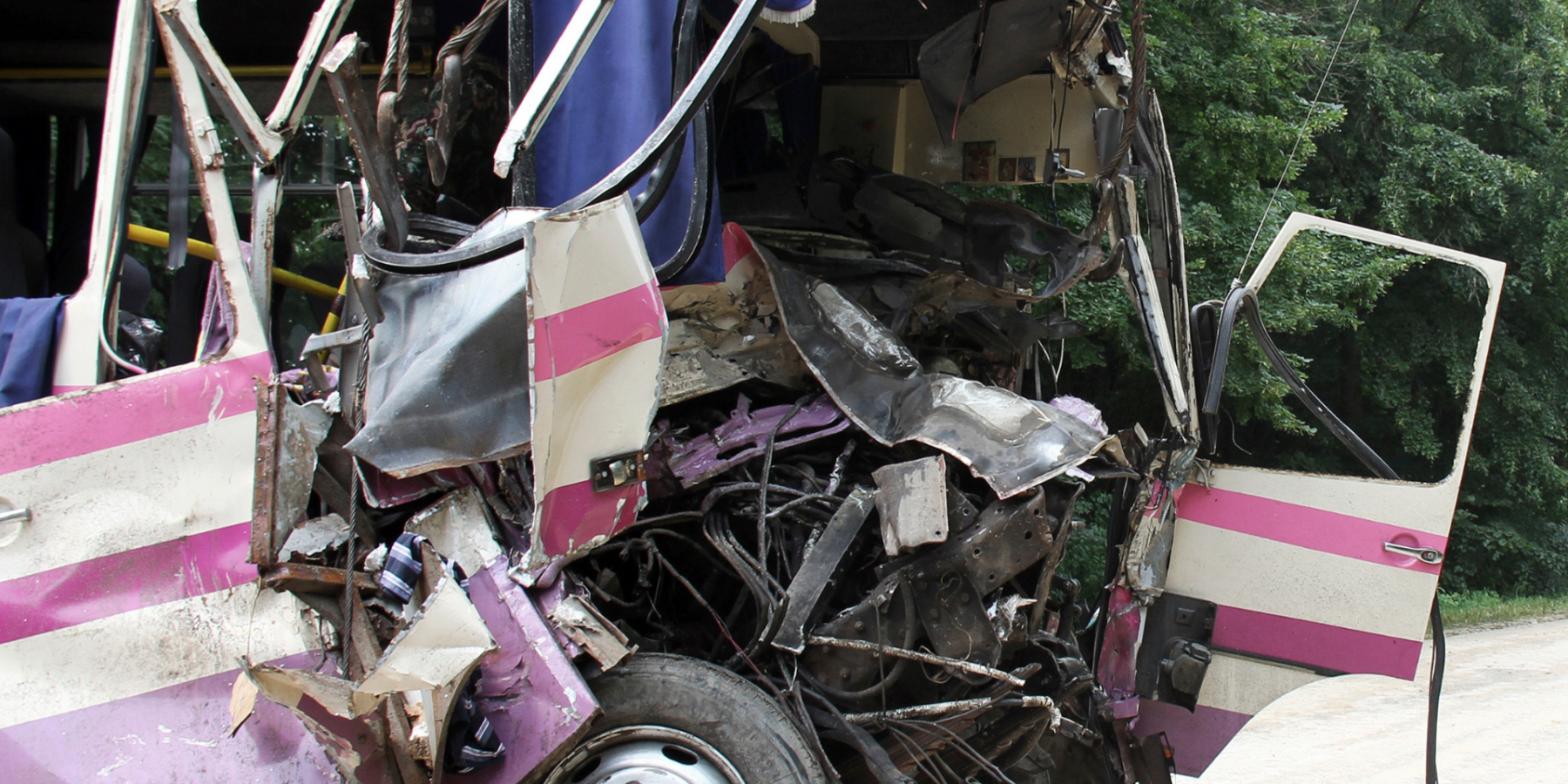
A collision involving a bus and a passenger vehicle caused significant traffic delays on Interstate 5 in Seattle, according to KING 5 News. Emergency responders arrived at the scene to assess the situation and assist those involved while traffic backed up in the surrounding area. Although traffic accidents involving buses vary in severity, these incidents often raise important questions regarding liability, insurance coverage, and potential injuries. Crashes involving large commercial or public transportation vehicles can create complicated legal situations due to the number of parties that may be involved. Even when injuries appear minor initially, accident victims may experience symptoms that develop in the hours or days following the collision.
A Seattle bus accident can leave injured individuals dealing with medical expenses, missed work, property damage, and uncertainty about what steps to take next. Additionally, claims involving buses often require careful investigation because multiple entities, insurance carriers, and regulations may affect the case. Understanding your legal rights after a collision can help you make informed decisions while protecting your ability to pursue compensation. Seeking experienced legal guidance early can also help preserve evidence and strengthen a potential claim. If you or a loved one suffered injuries in a Seattle bus accident, Bernard Law can help you evaluate your options and pursue the compensation you may deserve. Call us at (206) 350-3950 to discuss your situation with an experienced legal professional today.
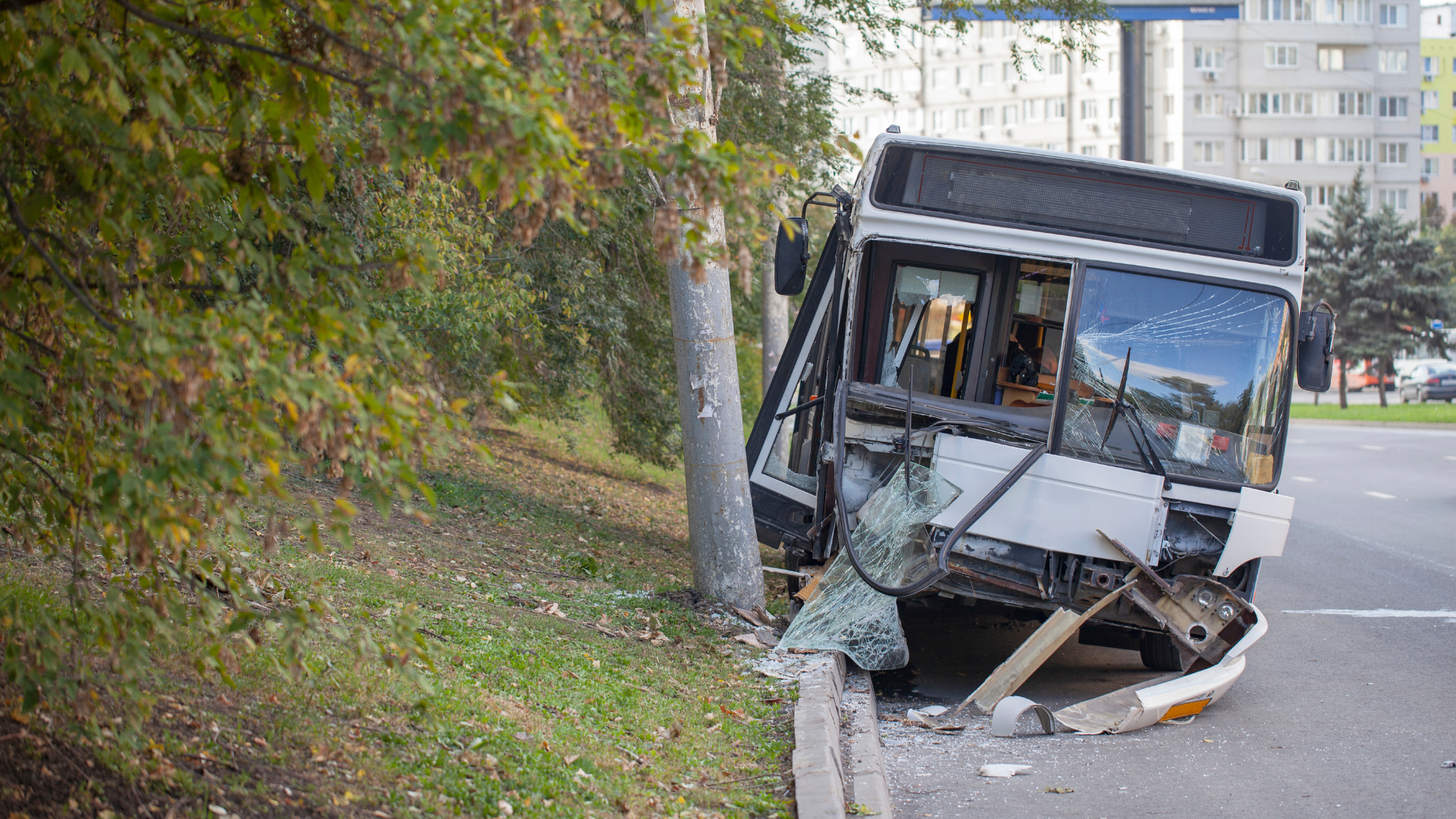
Why the Right Legal Support Matters After a Seattle Bus Accident
At Bernard Law, we understand that a Seattle bus accident can create challenges that extend far beyond the immediate aftermath of the collision. Victims often face medical treatment, insurance communications, lost income, and ongoing concerns about their recovery all at the same time. We help our clients understand their legal rights while investigating the circumstances surrounding the accident and identifying potentially responsible parties. Our team works diligently to gather evidence, review available documentation, and assess the full extent of our clients’ losses. We remain committed to providing personalized guidance while helping injured individuals navigate the legal process with confidence.
We recognize that bus accident claims can involve unique legal and insurance issues that differ from standard motor vehicle collisions. Therefore, we take a comprehensive approach to evaluating every aspect of a claim and developing strategies tailored to each client’s circumstances. We pursue compensation for medical expenses, lost wages, pain and suffering, and other accident-related damages whenever applicable. Throughout the process, we maintain open communication and provide the support our clients need during a difficult time. Our goal is to help injured individuals focus on recovery while we handle the legal complexities of their cases.
Why Bus Accident Claims Can Be More Complex Than Other Vehicle Accidents in Seattle
Bus accident claims often involve legal and factual issues that extend beyond those present in a typical car accident case. While many motor vehicle collisions involve only a few parties, bus accidents may include transportation companies, government entities, drivers, passengers, and multiple insurance carriers. As a result, determining liability and pursuing compensation can become significantly more complicated. Additionally, bus accidents often generate extensive evidence that requires careful review and analysis. Understanding these complexities helps explain why many victims seek legal guidance after a serious bus collision.
Multiple Parties May Be Involved
One of the primary reasons bus accident claims become complicated involves the number of parties that may share responsibility. Depending on the circumstances, liability may extend beyond the bus driver alone. Transportation companies, maintenance contractors, vehicle manufacturers, and other motorists may all contribute to the events leading to a collision. Identifying every potentially responsible party often requires a detailed investigation. This process helps ensure victims pursue compensation from all available sources.
Identifying All Potential Sources of Liability
Bus accidents rarely involve simple liability determinations. Attorneys often review employment records, maintenance logs, contracts, and accident reports to identify every party connected to the crash. This investigation may reveal additional sources of compensation that would otherwise remain overlooked. Furthermore, identifying all liable parties can strengthen a victim’s ability to recover damages. A comprehensive review often plays a critical role in developing a successful claim.
Different Parties May Have Different Insurance Coverage
Each potentially liable party may carry separate insurance coverage with different policy limits and requirements. As a result, bus accident claims often involve negotiations with multiple insurance companies simultaneously. Managing these claims requires careful coordination and extensive documentation. Understanding how various insurance policies interact can be essential when pursuing compensation. This complexity often distinguishes bus accident cases from standard vehicle collisions.
Commercial and Public Transportation Regulations
Bus operators and transportation companies must comply with regulations that do not apply to ordinary drivers. These requirements often address vehicle maintenance, driver qualifications, training standards, and operational procedures. Violations of these regulations may contribute to accidents and become important factors during an investigation. Attorneys frequently review compliance records when evaluating a bus accident claim. Regulatory issues can significantly affect liability determinations and legal strategies.
Driver Qualification Requirements
Bus drivers often must satisfy specific licensing and training requirements before operating large passenger vehicles. Attorneys may investigate whether a driver maintained proper qualifications and complied with applicable regulations. Failure to meet these standards may indicate negligence or other safety concerns. Reviewing these records helps determine whether regulatory violations contributed to the accident. This information can become an important component of a personal injury claim.
Maintenance and Inspection Obligations
Transportation companies generally must follow routine inspection and maintenance schedules to ensure passenger safety. Mechanical failures resulting from inadequate maintenance may contribute to serious collisions. Attorneys often review service records and inspection reports to determine whether maintenance issues played a role in the accident. Evidence of neglected repairs may strengthen a claim against the responsible parties. Thorough review of maintenance records frequently provides valuable insight.
Larger Insurance Policies Often Increase Complexity
Bus companies and public transportation providers frequently carry insurance policies with significantly higher coverage limits than those found in standard automobile cases. While these policies may provide greater compensation opportunities, they often lead to more aggressive claim investigations. Insurance companies may devote substantial resources to limiting financial exposure after serious accidents. Consequently, victims often face more complicated negotiations and claim procedures. Understanding these dynamics can help injured individuals prepare for the process ahead.
Insurance Companies May Conduct Extensive Investigations
Following a bus accident, insurance carriers often begin collecting evidence immediately. Investigators may review surveillance footage, interview witnesses, inspect vehicles, and analyze accident reports. These efforts are frequently designed to evaluate liability and limit potential payouts. Victims may find the process overwhelming while recovering from injuries. Legal representation can help ensure important evidence receives proper consideration.
High-Value Claims Often Face Greater Scrutiny
Claims involving serious injuries and substantial damages frequently receive increased attention from insurance companies. Adjusters may carefully examine medical records, employment history, and accident-related documentation before evaluating compensation demands. This heightened scrutiny can create additional challenges for injured victims. Comprehensive preparation often becomes essential when pursuing significant damages. Strong evidence can help support a victim’s position throughout negotiations.
Bus Accidents Often Involve More Victims
Many bus accidents affect numerous passengers in addition to occupants of other vehicles. Multiple injury claims may arise from a single collision, creating additional legal and logistical challenges. Evidence, witness statements, and insurance resources may become intertwined among several claims. Managing these issues often requires careful coordination and organization. The presence of multiple victims frequently increases the complexity of a bus accident case.
Passenger Claims May Create Additional Legal Issues
Passengers injured in a bus accident may pursue claims against different parties depending on how the collision occurred. Determining liability can become more complicated when multiple victims seek compensation simultaneously. Attorneys often review each claim individually while considering how it relates to the broader accident investigation. Understanding these overlapping issues helps support effective case management. This complexity often distinguishes bus accidents from traditional car crashes.
Coordinating Evidence Across Multiple Claims
Witness testimony, surveillance footage, and accident reports may affect numerous claims arising from the same collision. Attorneys frequently analyze shared evidence while evaluating how it supports individual clients. Coordinating this information requires careful attention to detail and thorough investigation. Proper organization helps ensure important facts remain available throughout the legal process. Comprehensive evidence management often strengthens accident claims.
Understanding Liability After a Seattle Bus Accident
Determining liability represents one of the most important aspects of any bus accident claim. Establishing who caused the collision often serves as the foundation for pursuing compensation. However, liability in bus accident cases may involve multiple individuals, companies, or organizations. Investigating these issues requires careful review of evidence and applicable legal standards. Understanding how liability is determined can help victims better evaluate their legal options after a collision.
Investigating the Cause of the Collision
Liability investigations begin by examining the circumstances surrounding the accident. Attorneys review evidence to identify the events and actions that contributed to the crash. This process often includes analyzing accident reports, witness statements, photographs, and surveillance footage. Understanding how the collision occurred helps establish responsibility and support compensation claims. Thorough investigation frequently strengthens a victim’s legal position.
Reviewing Accident Reports and Witness Statements
Official reports often provide important details regarding the factors that contributed to a bus accident. Attorneys examine these records alongside witness statements to identify inconsistencies and supporting evidence. Witness observations may help clarify disputed facts and establish how the collision unfolded. Additionally, these accounts can provide valuable insight into driver behavior and road conditions. Comprehensive review helps create a clearer understanding of liability.
Examining Physical and Digital Evidence
Modern accident investigations often rely on both physical and electronic evidence. Attorneys may review vehicle damage, roadway markings, surveillance footage, onboard camera recordings, and electronic vehicle data. This information helps reconstruct the events leading to the collision. Preserving evidence early often improves its value during legal proceedings. Detailed analysis frequently strengthens liability arguments.
When a Bus Driver May Be Liable
Bus drivers have a responsibility to operate their vehicles safely and comply with traffic laws. When negligent actions contribute to a collision, the driver may bear responsibility for resulting damages. Attorneys evaluate driver conduct carefully when investigating a bus accident claim. Understanding the driver’s role helps determine whether negligence played a part in the crash. This analysis often becomes a central aspect of liability determinations.
Evaluating Driver Actions and Decisions
Driver behavior immediately before an accident often provides important information regarding liability. Attorneys may investigate whether distraction, fatigue, speeding, impairment, or other unsafe actions contributed to the collision. Reviewing evidence helps determine whether the driver acted reasonably under the circumstances. Identifying negligent conduct can strengthen a victim’s claim significantly. Careful evaluation often plays an important role in the investigation process.
Reviewing Training and Employment Records
A driver’s qualifications and employment history may provide additional insight into liability issues. Attorneys sometimes review training records, disciplinary actions, and prior incidents involving the driver. This information may reveal concerns regarding supervision or driver competency. Evidence of inadequate training can affect liability determinations. Thorough review helps ensure all relevant factors receive consideration.
Transportation Companies May Share Responsibility
Liability may extend beyond the driver to include the company responsible for operating the bus. Transportation providers often have obligations regarding hiring, training, supervision, and vehicle maintenance. Failures in these areas may contribute to accidents and resulting injuries. Attorneys investigate company practices to determine whether organizational negligence played a role. Identifying company liability can expand potential sources of compensation.
Maintenance and Safety Obligations
Transportation companies generally must maintain their vehicles in safe operating condition. Failure to inspect, repair, or service buses appropriately may create dangerous conditions that contribute to accidents. Attorneys review maintenance records and inspection reports when evaluating these issues. Evidence of neglected maintenance may support liability claims against the company. Proper vehicle upkeep remains an important safety responsibility.
Hiring and Supervision Practices
Transportation companies must take reasonable steps when hiring and supervising drivers. Inadequate background checks, insufficient training, or poor oversight may contribute to unsafe conduct. Attorneys often investigate these practices to determine whether company decisions played a role in the accident. Evidence of negligent supervision can strengthen a claim against the organization. Thorough investigation helps identify all relevant liability factors.
Government Entities and Public Transit Claims
Some bus accidents involve public transportation systems operated by government agencies. Claims against these entities may involve special procedures and deadlines that differ from ordinary personal injury cases. Understanding these requirements is important when pursuing compensation. Attorneys often evaluate whether public agencies contributed to the collision through operational decisions or other actions. These cases frequently involve additional legal considerations.
Additional Legal Requirements May Apply
Government-related claims often require compliance with specific notice requirements and procedural rules. Failure to satisfy these obligations may affect a victim’s ability to pursue compensation. Attorneys help identify applicable requirements and ensure important deadlines receive attention. Understanding these rules helps protect a claimant’s legal interests. Proper compliance remains essential in public transit cases.
Investigating Agency Responsibility
Public transportation agencies may bear responsibility for accidents involving their buses under certain circumstances. Attorneys review policies, maintenance practices, operational procedures, and employee conduct when evaluating potential liability. This investigation helps determine whether agency actions contributed to the collision. Identifying these factors supports a more complete liability analysis. Comprehensive review often strengthens the overall claim.
How Personal Injury Attorneys in Seattle Provide Support After Bus Accidents
Bus accidents often create complex legal, financial, and medical challenges for injured victims and their families. Unlike many standard vehicle collisions, bus accidents may involve public transportation agencies, private companies, multiple insurance policies, and numerous injured parties. As a result, accident victims frequently face a complicated claims process while trying to recover from their injuries. Personal injury attorneys help individuals understand their legal rights and pursue compensation for accident-related losses. Their support often allows victims to focus on recovery while important legal matters receive the attention they deserve.
Investigating the Circumstances of the Bus Accident
A thorough investigation often serves as one of the most important steps following a bus accident. Attorneys work to determine how the collision occurred and identify all contributing factors. Understanding the cause of the crash helps establish liability and supports a victim’s claim for compensation. Additionally, early investigation helps preserve evidence that may become more difficult to obtain over time. A strong factual foundation often strengthens both settlement negotiations and potential litigation.
Reviewing Official Reports and Evidence
Bus accident investigations frequently begin with a review of official reports and available documentation. Attorneys examine police reports, incident reports, photographs, surveillance footage, and witness statements. These materials help establish a timeline of events and provide valuable insight into how the collision occurred. Furthermore, documentation may reveal important details regarding driver conduct, road conditions, or vehicle maintenance issues. Careful review of available evidence often plays a critical role in building a strong case.
Identifying Contributing Factors
Several factors may contribute to a bus accident, including driver error, mechanical failures, roadway hazards, or negligent maintenance practices. Attorneys investigate these possibilities to determine who may be responsible for the collision. Identifying contributing factors helps ensure all potentially liable parties receive appropriate scrutiny. This process often requires extensive evidence gathering and analysis. A comprehensive investigation helps create a more complete understanding of the accident.
Determining Liability in Complex Bus Accident Claims
Liability issues in bus accident cases can be more complicated than those involved in traditional car accident claims. Multiple parties may share responsibility depending on the circumstances surrounding the crash. Attorneys evaluate available evidence to determine which individuals, companies, or organizations may be liable. This analysis helps victims pursue compensation from all appropriate sources. Properly identifying responsible parties often strengthens the overall claim.
Evaluating the Actions of Bus Drivers
Bus drivers have a responsibility to operate vehicles safely and follow applicable traffic laws. Attorneys examine whether driver behavior contributed to the collision through actions such as distraction, fatigue, speeding, or other negligent conduct. Reviewing driver records and available evidence can provide important information regarding liability. Additionally, investigators may assess whether the driver followed company policies and safety procedures. Understanding the driver’s role often forms an important part of a bus accident claim.
Assessing the Responsibility of Transportation Companies
Transportation companies may bear responsibility for accidents involving their vehicles under certain circumstances. Attorneys review hiring practices, training procedures, maintenance records, and operational policies when evaluating company liability. Evidence of inadequate supervision or poor maintenance may strengthen a claim against the organization. Additionally, transportation companies often possess valuable records that help explain how the accident occurred. Careful review of these materials can provide important support for a case.
Gathering Documentation to Support Injury Claims
Strong documentation helps demonstrate the impact a bus accident has had on an injured victim’s life. Attorneys collect evidence regarding injuries, financial losses, and ongoing recovery needs. This information helps establish the value of a claim while supporting compensation demands. Thorough preparation often improves a victim’s position during negotiations. Comprehensive documentation remains an essential component of effective legal representation.
Obtaining Medical Records and Treatment Documentation
Medical records often serve as some of the most important evidence in a bus accident claim. Attorneys gather treatment records, physician reports, diagnostic testing results, and rehabilitation documentation. These materials help establish the severity of injuries and the care required for recovery. Additionally, medical evidence supports claims involving future treatment needs and long-term complications. Strong medical documentation often contributes significantly to a successful claim.
Documenting Financial Losses
Bus accident victims frequently experience financial hardships resulting from medical expenses and lost income. Attorneys collect employment records, medical bills, invoices, and other documentation to calculate these losses accurately. This information helps establish the economic impact of the accident. Furthermore, attorneys may evaluate future financial challenges related to ongoing treatment or reduced earning capacity. Thorough financial analysis often strengthens a compensation claim.
Managing Insurance Company Communications
Insurance companies often begin investigating bus accidents shortly after they occur. Victims may receive requests for statements, records, and other information while still recovering from their injuries. Attorneys help manage these communications and ensure clients understand their rights throughout the process. This guidance can reduce stress while protecting a victim’s interests. Professional representation often helps avoid common mistakes during insurance negotiations.
Responding to Insurance Investigations
Insurance adjusters frequently seek detailed information regarding how an accident occurred and the injuries involved. Attorneys help clients respond to these requests appropriately and accurately. Careful communication helps prevent misunderstandings that could affect a claim negatively. Additionally, legal representation ensures important information receives proper context during the investigation. This support often provides valuable protection for accident victims.
Evaluating Settlement Offers
Insurance companies may present settlement offers before the full extent of injuries becomes clear. Attorneys review these offers carefully and compare them against documented damages and future needs. This evaluation helps determine whether proposed compensation reflects a victim’s actual losses. If necessary, attorneys negotiate aggressively for more favorable terms. Thorough review helps victims make informed decisions regarding settlement opportunities.
Pursuing Compensation for Current and Future Damages
Bus accident injuries can create financial burdens that extend well beyond the initial recovery period. Attorneys work to identify all damages associated with an accident and pursue compensation accordingly. A comprehensive claim often includes both economic and non-economic losses. Evaluating future consequences helps ensure important damages do not go overlooked. This approach often leads to a more accurate assessment of a victim’s needs.
Medical Expenses and Ongoing Care Requirements
Many bus accident victims require extensive medical treatment and rehabilitation following a collision. Hospital stays, surgeries, therapy sessions, medications, and specialist visits can create substantial expenses. Attorneys pursue compensation that reflects both current and anticipated medical costs. Accounting for future healthcare needs helps strengthen the overall claim. Proper valuation of medical damages remains a key aspect of legal representation.
Pain, Suffering, and Quality of Life Impacts
Bus accident injuries often affect more than a victim’s finances. Physical pain, emotional distress, and limitations on daily activities can significantly reduce quality of life. Attorneys evaluate these personal losses when pursuing compensation on behalf of injured individuals. Documenting these effects helps demonstrate the full impact of the accident. Non-economic damages frequently represent an important portion of a personal injury claim.
Preparing Cases for Litigation When Necessary
Although many bus accident claims resolve through settlement negotiations, some disputes ultimately require litigation. Attorneys prepare these cases thoroughly from the beginning to ensure readiness if court proceedings become necessary. Strong preparation often benefits clients regardless of whether a trial occurs. It also demonstrates a commitment to pursuing favorable outcomes throughout the legal process. Litigation readiness frequently strengthens a victim’s position during negotiations.
Building a Comprehensive Legal Strategy
Effective litigation requires detailed preparation and strategic planning. Attorneys analyze evidence, consult experts, prepare witnesses, and develop arguments tailored to the facts of each case. This preparation helps address challenges that may arise during legal proceedings. Additionally, a well-developed strategy often improves settlement discussions before trial becomes necessary. Thorough planning remains an important part of successful representation.
Advocating for Victims Throughout the Process
Personal injury attorneys continue advocating for their clients at every stage of a bus accident claim. They negotiate with insurance companies, communicate with opposing parties, and represent victims in court when needed. This advocacy helps protect a victim’s interests while pursuing compensation for accident-related losses. Consistent representation often provides reassurance during a difficult time. Ultimately, attorneys work to help injured individuals move forward after a serious bus accident.

Contact an Experienced Seattle Bus Accident Lawyer Today
The aftermath of a bus accident can leave victims facing difficult questions about their health, finances, and legal options. Taking prompt action can help preserve important evidence and ensure critical details receive proper attention before they become more difficult to obtain. An experienced attorney can investigate the circumstances surrounding the crash, evaluate potential claims, and explain the options available under Washington law. Understanding your rights early in the process can help you make informed decisions while protecting your interests moving forward. Seeking legal guidance may also provide peace of mind during an otherwise stressful situation.
Bernard Law has experience helping accident victims pursue compensation after serious collisions involving buses, commercial vehicles, and other motorists. We understand the challenges injured individuals often face while recovering from accident-related injuries and financial losses. Our team remains dedicated to providing compassionate support and aggressive advocacy throughout every stage of a claim. We work diligently to pursue favorable outcomes while helping our clients secure the resources they need for recovery. Call us at (206) 350-3950 or reach out online today.
Contact usfor a free consultation.
Phone: (206) 312-3908