
A deadly crash on Pacific Highway South in Federal Way left one teenager dead and another facing serious criminal charges, according to the Kent Reporter. The collision occurred around 9:30 p.m. on January 10 in the 36000 block of Pacific Highway South, where a northbound vehicle crossed the center line and struck an oncoming vehicle. A 19-year-old passenger in the first vehicle was pronounced dead at the scene by medics, while the driver of the second vehicle was injured and transported to Harborview Medical Center for treatment. The 18-year-old driver showed signs of impairment, and was subsequently booked into county jail. His bail was set at $100,000.
DUI crashes have devastating consequences, particularly when young drivers and passengers are involved. When a vehicle crosses the center line due to impairment, the risk of a head-on collision increases dramatically, often leading to catastrophic injuries or loss of life. Incidents like this raise serious concerns about roadway safety, accountability, and the lifelong impact such crashes have on families and communities. At Bernard Law, our Seattle-area car accident attorneys understand how overwhelming the aftermath of a fatal crash can be and the importance of carefully examining what led to the collision and who may be responsible. Call us at (206) 984-8719 to learn how we can help you take the next steps toward justice and recovery.
Why Legal Representation Is Important After a Federal Way DUI Car Crash
After a Federal Way DUI car crash, Bernard Law understands how overwhelming the legal and emotional aftermath can feel for victims and their families. We know that DUI-related collisions often involve severe injuries, complex criminal proceedings, and aggressive insurance investigations that can complicate recovery. Our team focuses on protecting the rights of those harmed by impaired drivers while ensuring that critical evidence is preserved and liability is clearly established. By stepping in early, we help prevent insurance companies from shifting blame or minimizing the long-term consequences of the crash.
We also recognize that a Federal Way DUI car crash can create lasting financial and emotional burdens that extend far beyond the initial incident. We work closely with clients to document medical treatment, lost income, and future care needs while addressing the emotional toll these crashes often cause. Our attorneys take a thorough approach to evaluating every aspect of the case, allowing us to pursue compensation that reflects the full scope of harm suffered. Throughout the process, we remain committed to clear communication, strategic advocacy, and providing the steady support our clients need during an incredibly difficult time.
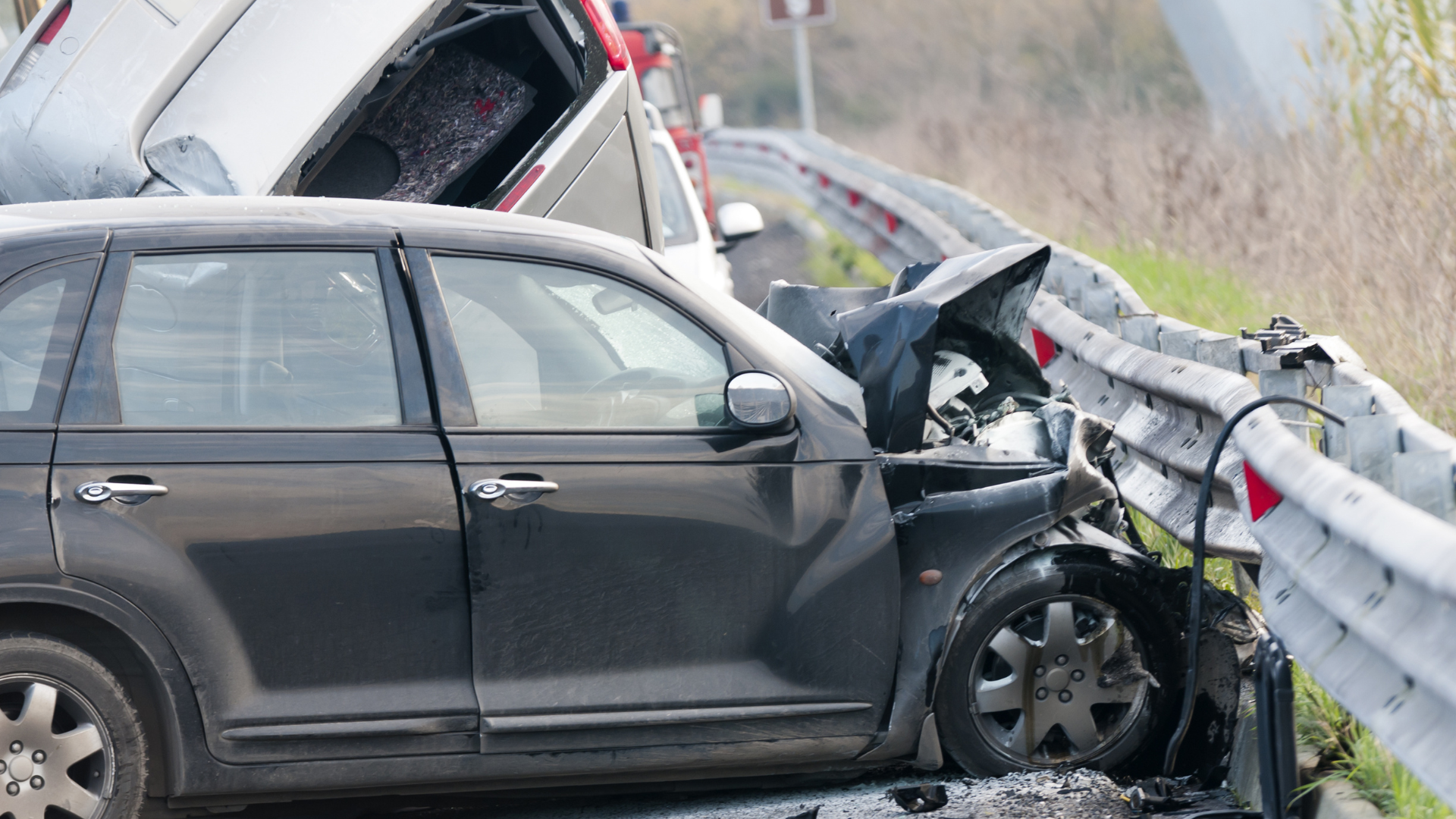
Why Liability Matters After a Federal Way DUI Car Crash
Liability plays a central role after a Federal Way DUI car crash because it determines who is financially responsible for the harm caused. When alcohol or drugs impair a driver, the resulting negligence often leads to severe injuries, fatalities, and lasting consequences for victims and families. Establishing liability allows injured parties to pursue compensation beyond basic insurance benefits. Moreover, clear liability prevents insurance companies from unfairly shifting blame or minimizing the seriousness of the crash.
Holding an Impaired Driver Accountable
Drivers who choose to operate a vehicle while impaired breach their legal duty to protect others on the road. This breach often forms the foundation of liability in DUI-related crashes. Proving impairment strengthens injury claims and supports accountability. Clear evidence helps victims seek justice and financial recovery.
DUI Arrests and Criminal Evidence
DUI arrests often generate strong evidence supporting civil liability. Police reports, field sobriety tests, and chemical test results help demonstrate impairment. These records often show that the driver’s condition directly contributed to the crash. Criminal evidence frequently plays a powerful role in civil injury cases.
Negligence Per Se in DUI Cases
Driving under the influence violates Washington traffic laws. When a driver breaks these laws and causes injury, negligence may be presumed. This concept, known as negligence per se, simplifies liability arguments. Victims benefit from this legal standard when pursuing compensation.
Identifying Additional Liable Parties
Liability after a Federal Way DUI car crash may extend beyond the impaired driver alone. Other parties may share responsibility depending on the circumstances. Identifying all responsible parties increases available compensation sources. A thorough investigation remains essential.
Dram Shop and Alcohol Provider Liability
In some cases, bars or establishments may overserve alcohol to visibly intoxicated individuals. When overserving contributes to a DUI crash, these establishments may face liability. Evidence may include receipts, surveillance footage, and witness testimony. These claims require careful legal analysis.
Employer Liability for Work-Related DUI Crashes
If an impaired driver was operating a vehicle for work purposes, employer liability may apply. Employers may be responsible for negligent supervision or policies. These cases often involve higher insurance limits. Investigation determines whether employment-related liability exists.
Legal Rights After a Federal Way DUI Car Crash
Victims injured in a Federal Way DUI car crash have important legal rights designed to protect their ability to recover compensation and hold impaired drivers accountable. These rights exist regardless of whether criminal DUI charges are filed or resolved, since civil injury claims follow a separate legal process. Understanding these protections helps injured individuals avoid costly mistakes when dealing with insurance companies and legal deadlines. Acting promptly also preserves critical evidence and ensures that all available legal options remain open throughout the recovery process.
Right to Pursue Compensation for Damages
After a DUI-related crash, injured individuals have the legal right to pursue compensation for the full range of losses caused by the collision. These damages are intended to address both immediate financial burdens and long-term consequences that may continue for years. A comprehensive personal injury claim reflects how injuries affect medical needs, employment, and overall quality of life. Proper documentation and legal guidance strengthen the ability to pursue fair and complete recovery.
Economic Damages
Economic damages cover the tangible financial losses resulting from a Federal Way DUI car crash. These losses often include emergency medical care, hospital stays, surgeries, rehabilitation, and ongoing treatment expenses. Lost wages and diminished earning capacity may also apply when injuries prevent a timely return to work or limit future employment opportunities. Accurate calculation of these damages ensures that victims are not left paying out of pocket for another driver’s reckless decision.
Non-Economic Damages
Non-economic damages address the personal and emotional toll of injuries caused by a DUI crash. Victims may experience chronic pain, emotional distress, anxiety, and reduced enjoyment of daily activities. Serious crashes often result in psychological trauma that affects relationships, independence, and overall well-being. These damages recognize the human cost of the crash and play an essential role in achieving fair compensation.
Protection During Insurance and Legal Proceedings
Insurance companies frequently scrutinize Federal Way DUI car crash claims aggressively, even when impairment appears clear. Victims have legal rights that protect them from unfair settlement tactics, misleading statements, and undue pressure to resolve claims quickly. Understanding these protections helps injured individuals maintain control over their cases and avoid decisions that reduce claim value. Legal guidance often provides critical support during these high-stakes interactions.
Right to Legal Representation
Victims have the right to consult and retain an attorney at any point after a DUI crash. Legal representation provides experienced advocacy during insurance negotiations, settlement discussions, and potential litigation. Attorneys handle communications with insurance adjusters, gather evidence, and protect clients from harmful statements. This representation helps ensure that claims are handled strategically and fairly.
Statute of Limitations and Deadlines
Washington law imposes strict deadlines for filing personal injury claims after a DUI car crash. Missing these deadlines can permanently eliminate the right to pursue compensation, regardless of injury severity. Prompt legal action helps preserve evidence, witness testimony, and documentation. Attorneys carefully monitor all timelines to ensure claims remain valid and enforceable.
What to Do After a Federal Way DUI Car Crash
The steps taken after a Federal Way DUI car crash can significantly influence both physical recovery and long-term legal outcomes. Acting quickly helps protect your health while preserving evidence that may be critical to proving liability and damages. Delays, uncertainty, or uninformed decisions often give insurance companies opportunities to challenge claims or reduce compensation. Knowing what to do early empowers victims to protect their rights and avoid common mistakes that can weaken a case.
Seek Immediate Medical Care
Seeking prompt medical evaluation remains essential after any DUI-related crash, even when injuries initially appear minor or manageable. Many injuries, including head trauma, internal bleeding, and soft tissue damage, may not present immediate symptoms. Medical records created shortly after the crash establish a clear connection between the collision and the injuries sustained. Early treatment supports recovery while providing critical documentation that strengthens future insurance or legal claims.
Follow All Treatment Plans
Following all recommended treatment plans demonstrates the seriousness of your injuries and your commitment to recovery. Insurance companies often scrutinize medical compliance and may question claims when treatment gaps appear. Consistent care helps ensure injuries are properly diagnosed, monitored, and treated over time. Detailed medical documentation also plays a vital role in proving damages and supporting compensation claims.
Report the Crash and Preserve Evidence
Creating an official record of the crash strengthens any future claim and helps establish how the incident occurred. Evidence collected early remains more accurate and reliable than information gathered weeks or months later. Proper documentation helps demonstrate fault, impairment, and the extent of damages suffered. Preserving evidence protects credibility and reduces the risk of disputes during the claims process.
Contact Law Enforcement
Law enforcement officers document critical details related to DUI crashes, including signs of impairment, vehicle positions, roadway conditions, and witness statements. Police reports often form the foundation of both criminal and civil DUI cases. These reports provide objective observations that can support liability arguments. Requesting copies promptly ensures timely access when pursuing a claim.
Gather Photos and Witness Information
Photographs taken at the scene can capture vehicle damage, injuries, traffic signals, skid marks, and surrounding conditions. Witnesses may provide independent accounts that clarify how the crash occurred and whether impairment played a role. Collecting names and contact information allows follow-up if questions arise later. Early evidence collection strengthens accuracy and credibility.
Avoid Costly Insurance Mistakes
Insurance companies frequently contact victims shortly after a Federal Way DUI car crash, often before injuries fully emerge. Early conversations can significantly affect claim value if handled without guidance. Insurers may seek information that shifts blame or minimizes injury severity. Exercising caution during these interactions helps protect long-term legal and financial interests.
Do Not Give Recorded Statements Alone
Recorded statements may later be used to dispute injuries, question fault, or reduce compensation. Even well-intended comments can be taken out of context. Legal guidance helps ensure communications remain accurate and strategic. Early protection prevents avoidable harm to a potential claim.
Avoid Accepting Early Settlements
Early settlement offers rarely account for future medical treatment, ongoing pain, or long-term limitations. Once a settlement is accepted, additional compensation typically becomes unavailable. Legal review helps evaluate whether an offer truly reflects the full impact of the crash. Informed decisions protect financial stability and future care needs.
How Insurance Companies Handle a Federal Way DUI Car Crash
Insurance companies often approach a Federal Way DUI car crash with strategies designed to limit financial exposure, even when impairment appears clear. While DUI cases may seem straightforward, insurers still look for ways to dispute liability, question injuries, or reduce settlement amounts. Understanding how insurance companies operate helps injured individuals avoid common pitfalls during the claims process. With this awareness, victims can better protect their rights and pursue fair compensation.
Initial Claim Review and Investigation
After a DUI crash, insurance companies immediately begin investigating the claim to assess potential liability and damages. Adjusters review police reports, witness statements, and early medical records to form an initial evaluation. This process often focuses on identifying weaknesses in the claim rather than fully understanding the victim’s losses. Early findings frequently influence how aggressively an insurer negotiates.
Scrutinizing Police Reports and DUI Evidence
Insurers closely examine police reports for details related to impairment, citations, and arrest information. They may analyze field sobriety tests, breath or blood results, and officer observations. Any perceived inconsistencies may be used to question the severity of impairment. This scrutiny underscores the importance of accurate documentation.
Evaluating Injury Severity and Medical Treatment
Insurance companies often review medical records to assess whether injuries align with the reported crash. They may argue that injuries were preexisting or less serious than claimed. Delays in treatment can be used to dispute causation. Thorough and consistent medical documentation helps counter these arguments.
Settlement Tactics and Negotiation Strategies
Once the investigation begins, insurers often move quickly to control the narrative and settlement timeline. Early offers may appear attractive but frequently undervalue long-term damages. These tactics aim to resolve claims before the full impact of injuries becomes clear. Awareness helps victims avoid premature decisions.
Early Settlement Offers
Insurers may present settlement offers shortly after the crash, sometimes before full medical evaluation. These offers rarely account for future treatment, lost earning capacity, or ongoing pain. Accepting early settlements often prevents further recovery. Careful evaluation remains essential.
Attempts to Shift or Reduce Liability
Even in DUI cases, insurers may attempt to argue shared fault or external factors. They may question road conditions, vehicle mechanics, or victim behavior. These arguments aim to reduce payout amounts. Strong evidence helps counter liability disputes.
Ongoing Claim Management and Delays
Insurance companies sometimes delay claims to pressure victims financially. Prolonged investigations may create frustration and uncertainty. These delays often encourage lower settlements. Persistence and documentation remain critical.
Requests for Additional Documentation
Adjusters may request repeated documentation to slow claim progress. These requests may appear routine but often serve strategic purposes. Organized recordkeeping helps maintain momentum. Timely responses protect claim integrity.
Litigation Posture When Claims Escalate
If negotiations stall, insurers may prepare for litigation. This posture often includes stronger defense strategies and expert involvement. Trial readiness becomes important. Prepared claims improve leverage.
Compensation Available After a Federal Way DUI Car Crash
Victims injured in a Federal Way DUI car crash may be entitled to compensation that reflects both immediate losses and long-term consequences. DUI-related collisions often cause severe injuries, emotional trauma, and financial hardship. Compensation aims to restore stability and address the full scope of harm caused by impaired driving. Understanding available damages helps victims pursue fair recovery.
Economic Compensation for Financial Losses
Economic damages cover measurable financial costs directly related to the crash. These damages often represent a significant portion of DUI injury claims. Accurate calculation ensures victims are not left with ongoing expenses caused by another driver’s actions.
Medical Expenses and Future Treatment Costs
Compensation may include emergency care, hospitalization, surgeries, medications, and rehabilitation. Long-term treatment such as physical therapy or specialized care may also apply. Future medical needs must be carefully evaluated. Documentation supports full recovery.
Lost Income and Reduced Earning Capacity
Victims may recover lost wages for time missed from work. Injuries that limit future employment may qualify for diminished earning capacity compensation. DUI crashes often disrupt careers. Proper valuation reflects long-term impact.
Non-Economic Compensation for Personal Harm
Non-economic damages address the personal consequences of injuries that lack direct financial value. These damages recognize how injuries affect daily life and emotional well-being. DUI crashes frequently cause lasting psychological effects.
Pain and Suffering
Pain and suffering compensation reflects physical discomfort and ongoing symptoms. Chronic pain may interfere with routine activities. This category recognizes enduring hardship. Clear documentation strengthens claims.
Emotional Distress and Loss of Enjoyment of Life
Victims may experience anxiety, depression, or trauma following a DUI crash. Loss of enjoyment may apply when injuries limit independence or activities. Emotional damages represent significant harm. Proper presentation ensures consideration.
Additional Damages in DUI Cases
Some DUI cases may involve additional compensation considerations due to the severity of misconduct. These damages reflect heightened accountability for impaired driving. Legal evaluation determines applicability.
Punitive or Enhanced Damages Considerations
In certain circumstances, punitive damages may apply to punish reckless behavior. DUI conduct may meet these criteria. These damages aim to deter future misconduct. Application depends on case specifics.
Wrongful Death Damages When Applicable
Fatal DUI crashes may give rise to wrongful death claims. Families may recover funeral costs, loss of support, and companionship damages. These claims address profound loss. Compassionate handling remains essential.

How Seattle Personal Injury Attorneys Build Strong DUI Cases
Seattle personal injury attorneys play a critical role in holding impaired drivers accountable and protecting the rights of those injured in DUI-related crashes. Building a strong DUI case requires careful investigation, strategic evidence collection, and a thorough understanding of both civil and criminal proceedings. Attorneys focus on uncovering every detail that demonstrates how impairment caused the crash and resulting injuries. This comprehensive approach helps injured individuals pursue compensation that reflects the full scope of their losses.
Conducting a Detailed Crash Investigation
A thorough investigation forms the foundation of any successful DUI personal injury case. Attorneys work quickly to preserve evidence and document conditions before critical information disappears. Early investigation strengthens liability arguments and prevents disputes later in the process.
Reviewing Police Reports and DUI Arrest Records
Attorneys examine police reports, arrest affidavits, and DUI test results carefully. These records often reveal observations of impairment, field sobriety testing, and breath or blood alcohol levels. Inconsistencies or procedural errors are also identified. Accurate review helps establish how impairment contributed to the crash.
Analyzing Scene Evidence and Vehicle Damage
Crash scene evidence provides insight into how the collision occurred. Attorneys review photographs, skid marks, debris patterns, and vehicle damage. This analysis helps reconstruct events leading up to the crash. Clear documentation supports negligence claims.
Establishing Driver Impairment and Negligence
Proving impairment remains central to DUI injury cases. Attorneys connect impaired behavior directly to unsafe driving actions. This link strengthens liability and damages arguments.
Evaluating Toxicology and Field Sobriety Evidence
Blood alcohol content results and toxicology reports often serve as key evidence. Attorneys assess whether testing followed proper procedures. Field sobriety observations also help demonstrate impairment. Together, these elements support negligence claims.
Identifying Risky Driving Behaviors
Impaired drivers often exhibit speeding, swerving, or delayed braking. Attorneys analyze witness statements and video footage to confirm these behaviors. Such actions demonstrate how impairment increased crash risk. Evidence of reckless driving strengthens the case.
Coordinating Civil and Criminal Case Elements
DUI crashes often involve parallel criminal and civil proceedings. Attorneys coordinate these elements carefully to avoid conflicts and protect client interests. Strategic timing remains important.
Using Criminal Case Evidence Strategically
Criminal DUI cases often generate valuable evidence. Attorneys may use guilty pleas or convictions to support civil claims. Court records and testimony may also apply. Proper coordination enhances claim strength.
Managing Case Timing and Discovery
Attorneys align civil discovery with criminal case developments. This coordination helps preserve evidence while avoiding unnecessary delays. Strategic planning improves outcomes. Clients benefit from organized case management.
Documenting Injuries and Calculating Damages
Injuries from DUI crashes are often severe and long lasting. Attorneys ensure medical evidence fully reflects the harm suffered. Accurate damage calculations remain essential.
Collecting Medical Records and Expert Opinions
Attorneys gather hospital records, imaging results, and treatment plans. Medical experts may explain long-term effects and future care needs. This documentation links injuries directly to the crash. Strong medical evidence supports compensation claims.
Evaluating Economic and Non-Economic Losses
Lost income, medical expenses, and future care costs qualify as economic damages. Attorneys also assess pain, emotional distress, and reduced quality of life. Comprehensive evaluation ensures full compensation. Careful presentation strengthens negotiations.
Negotiating With Insurance Companies or Preparing for Trial
Attorneys prepare every DUI case with trial readiness in mind. This preparation improves leverage during settlement discussions. Insurance companies take claims more seriously when trial preparation is evident.
Challenging Insurance Defense Strategies
Insurers often attempt to minimize liability or damages. Attorneys counter these tactics with evidence and expert analysis. Clear advocacy protects client interests. Strong negotiation leads to better outcomes.
Presenting a Compelling Case in Court
When cases proceed to trial, attorneys present evidence clearly and persuasively. They question witnesses and challenge defense arguments effectively. Courtroom experience supports client success. Strong presentation increases the likelihood of favorable verdicts.
Providing Client Support and Ongoing Communication
Beyond legal work, attorneys support clients throughout recovery. Clear communication helps reduce stress and uncertainty. Clients remain informed and empowered.
Keeping Clients Updated and Involved
Attorneys provide regular updates and explain case developments. Clients understand timelines and next steps. Transparent communication builds trust. Involvement improves decision making.
Advocating for Client Interests at Every Stage
Seattle personal injury attorneys remain committed advocates from start to finish. They protect client rights during negotiations and litigation. This advocacy ensures accountability. Dedicated representation supports recovery and justice.
Contact an Experienced Federal Way DUI Lawyer Today
At Bernard Law, our Federal Way DUI lawyers have extensive experience handling serious car crash cases involving impaired driving and tragic outcomes. We understand that DUI crashes often leave victims and families facing devastating injuries, unexpected financial strain, and unanswered questions about accountability. Our team takes a detailed and compassionate approach to every case by investigating the circumstances of the crash, preserving critical evidence, and coordinating with experts when necessary. This thorough preparation allows us to build strong claims that accurately reflect the harm caused by a negligent, impaired driver.
When you work with Bernard Law, you can expect dedicated advocacy, clear communication, and a legal strategy focused on your best interests from start to finish. Our team takes the time to understand the full impact the crash has had on your life, including physical injuries, emotional stress, and financial uncertainty. We are committed to standing up to insurance companies, navigating complex legal issues, and pursuing justice on behalf of those affected by DUI crashes in Federal Way. Throughout the process, we keep you informed, answer your questions promptly, and ensure you never feel left in the dark about the status of your case. If you or a loved one has been impacted by a Federal Way DUI car crash, do not wait to explore your legal options. Call (206) 984-8719 today or fill out our online contact form to learn how Bernard Law can help you move forward with confidence and support.
Contact usfor a free consultation.
Phone: (206) 312-3908