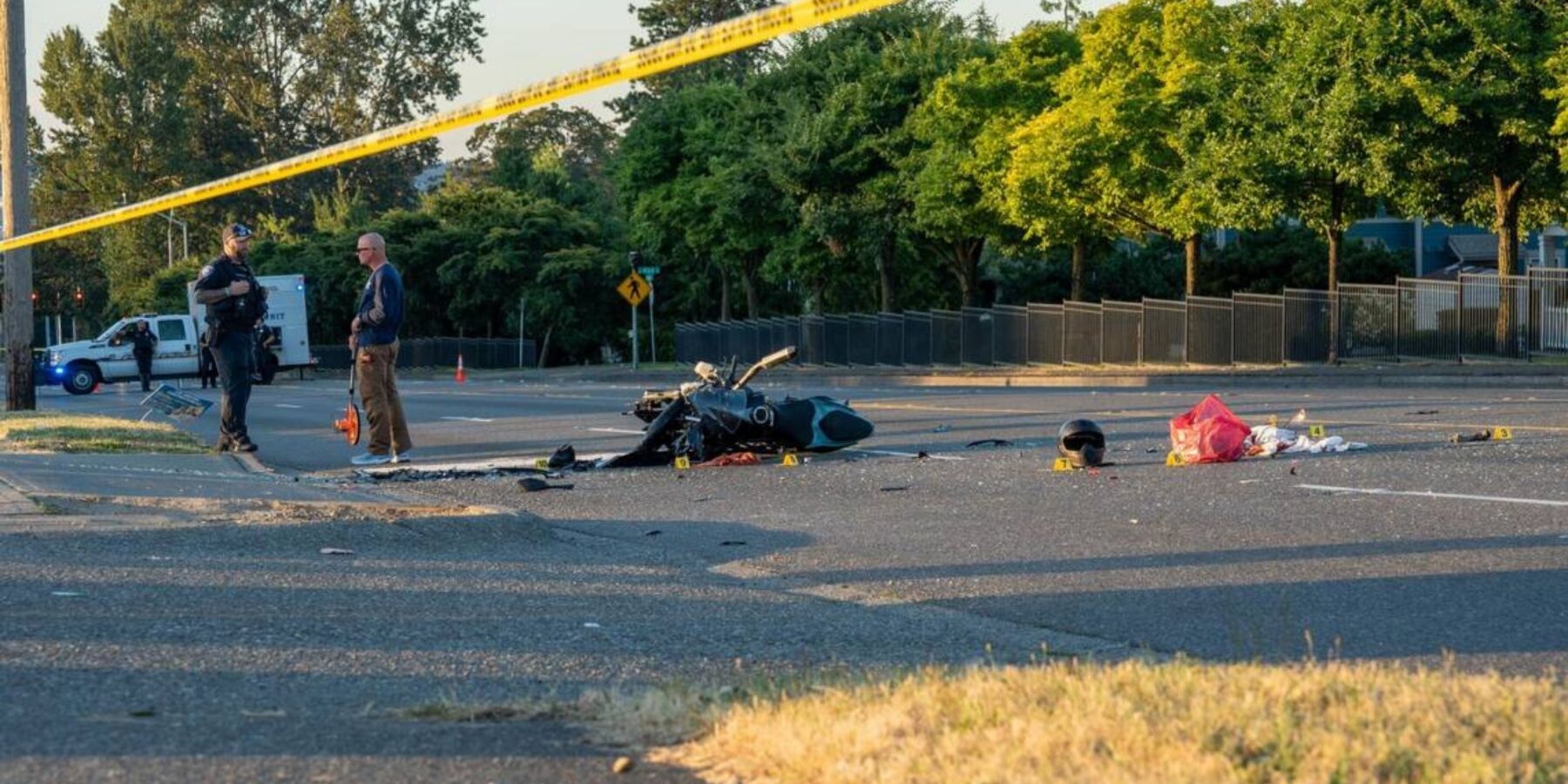
Tacoma Motorcycle Accident Leaves Community in Mourning
On November 6, 2024, a devastating motorcycle accident near Pacific Avenue and 48th Street in Tacoma claimed the life of a motorcyclist. According to early reports, the crash involved a high-speed collision that caused severe damage and a tragic loss of life. The exact details remain under investigation, but initial statements suggest that speed and road conditions may have contributed to the crash.
Motorcycle accidents like this one highlight the dangers riders face on Tacoma’s busy roads. Without the protection of a car’s frame, airbags, or other safety systems, motorcyclists are especially vulnerable to severe injuries or fatalities during high-impact collisions. Intersections such as Pacific Avenue and 48th Street, which see significant vehicle traffic throughout the day, are known to present elevated risks for riders.
At Bernard Law Group, we understand the devastating impact that fatal motorcycle accidents have on families and the community. Beyond the grief of losing a loved one, families are often left dealing with medical bills, funeral costs, and the uncertainty of legal action. Our Tacoma motorcycle accident attorneys are here to help surviving family members pursue justice and seek the compensation they deserve after such heartbreaking events.
Call us at (206) 312-3908 or visit our contact page to schedule a free consultation.
What We Know About the Tacoma Motorcycle Accident
The tragic motorcycle accident on November 6, 2024, near Pacific Avenue and 48th Street in Tacoma has drawn significant attention from local authorities and community members. The collision involved a high-speed crash that resulted in fatal injuries to the motorcyclist. First responders rushed to the scene, but despite their efforts, the rider could not be saved. The Tacoma Police Department is still investigating the exact circumstances that led to the crash, including whether excessive speed, driver error, or hazardous road conditions played a role.
When and Where the Crash Happened
The accident occurred in the late evening hours along a busy stretch of Pacific Avenue, a major corridor that frequently experiences high-speed traffic. This area, particularly near 48th Street, is known for heavy commuter flow, which can increase the risk of collisions involving motorcycles.
Emergency Response and Investigation
Tacoma emergency personnel, including local police and fire units, quickly arrived at the scene to provide medical assistance and secure the crash site. Traffic in the area was temporarily diverted as investigators documented evidence and interviewed witnesses. According to KIRO 7 News, preliminary findings suggest that high speed may have been a factor, though the official report is still pending.
Why Motorcycle Accidents Are Often Fatal
Motorcyclists have little protection during a crash, which is why collisions involving motorcycles often lead to severe injuries or fatalities. Even with proper safety gear, riders are exposed to the full impact of high-speed crashes. The National Highway Traffic Safety Administration (NHTSA) has reported that motorcyclists are over 25 times more likely to die in a crash than occupants of passenger vehicles. Roads like Pacific Avenue, which combine heavy traffic with varying speeds, present a heightened risk for local riders.
Common Causes of Motorcycle Accidents in Tacoma
Motorcycle accidents in Tacoma are rarely random events. Most crashes stem from a combination of driver negligence, hazardous road conditions, and the unique challenges of riding in heavy traffic. Streets like Pacific Avenue, South 38th Street, and Interstate 5 see high volumes of vehicles each day, creating a dangerous environment for riders. The National Highway Traffic Safety Administration reports that motorcyclists are over 25 times more likely to be killed in a crash compared to car occupants, a sobering statistic that underscores the vulnerability of riders on Tacoma’s roads.
Distracted Driving Around Motorcyclists
Distracted driving remains one of the leading contributors to motorcycle accidents in Washington. Even a brief moment of inattention, such as checking a text message or adjusting a GPS, can result in a devastating collision with a motorcyclist. According to the Centers for Disease Control and Prevention, over 3,000 people are killed each year in crashes involving distracted drivers. In urban areas like Tacoma, where traffic congestion is common on roads like Pacific Avenue and Sixth Avenue, distracted motorists pose a constant risk to motorcyclists.
Motorcycles are smaller and harder to see than larger vehicles, which makes them particularly susceptible to being overlooked by drivers who are not fully focused on the road. Efforts to curb distracted driving include public awareness campaigns by the Washington Traffic Safety Commission and strict penalties for handheld device use while driving. Still, enforcement alone cannot fully protect riders when drivers fail to keep their attention on the roadway.
Technology and Digital Distractions
Modern vehicles come equipped with an array of in-car entertainment systems, navigation screens, and voice commands. While these features are designed for convenience, they also create significant distractions for drivers. Studies from the AAA Foundation for Traffic Safety highlight that infotainment systems can divert a driver’s attention for over 40 seconds, a period long enough for a serious collision to occur. When a motorcycle is in the blind spot or approaching from behind, even a momentary lapse can lead to catastrophic consequences.
Efforts to Combat Driver Distraction
Organizations like the National Safety Council continue to advocate for education campaigns and improved legislation to reduce the risk of distracted driving. In Tacoma, these initiatives are especially relevant given the city’s mix of dense downtown traffic and high-speed corridors that demand constant vigilance from motorists.
Unsafe Left Turns and Failure to Yield
One of the most dangerous scenarios for motorcyclists is when a driver makes a left-hand turn across their path. These collisions frequently happen at intersections, including those along South Tacoma Way and Portland Avenue. Drivers often misjudge a motorcycle’s speed or distance, leading to crashes that can be fatal. The Federal Highway Administration emphasizes that left-turn collisions are among the most severe types of urban traffic accidents.
Washington law, as outlined in RCW § 46.61.185, requires drivers to yield to oncoming traffic when making a left turn, including motorcycles. However, many drivers claim they simply “did not see” the motorcycle, a statement that is more often an admission of negligence rather than a valid excuse.
High-Risk Intersections in Tacoma
Intersections such as South 38th Street and Steele Street are particularly problematic due to limited visibility, high traffic volume, and complex turn lanes. Local crash data from the Washington State Department of Transportation shows that these intersections consistently rank among the most hazardous in the city for motorcyclists. Infrastructure improvements like dedicated left-turn signals and enhanced signage can help reduce these types of collisions, but until such measures are implemented, riders must remain on high alert.
Speeding and Aggressive Driving
Speeding continues to be a major factor in motorcycle accidents across Pierce County. Roads like State Route 16 and Marine View Drive are notorious for vehicles traveling above the posted speed limits. The Insurance Institute for Highway Safety notes that speeding not only reduces a driver’s ability to react but also increases the force of impact during a crash, which can turn a survivable accident into a fatal one.
Aggressive driving behaviors such as tailgating, weaving between lanes, and running yellow lights also pose serious threats to motorcyclists. According to the National Safety Council, small increases in speed significantly heighten the risk of severe injuries or death, particularly for vulnerable road users like motorcyclists.
The Challenge of Speed Enforcement
Although Tacoma has installed speed cameras in certain school zones, many high-risk areas where motorcycle crashes occur lack adequate enforcement. The Target Zero initiative launched by the Washington Traffic Safety Commission aims to eliminate traffic fatalities by 2030, with speed reduction and better enforcement being critical components of the plan.
Dangerous Lane Changes and Blind Spots
Motorcycles are often overlooked when drivers make lane changes without checking their mirrors or blind spots. Sudden lane shifts on congested highways like Interstate 705 or SR-512 are a leading cause of sideswipe and merging collisions. The National Highway Traffic Safety Administration stresses the importance of blind spot awareness and recommends modern driver-assist technologies as additional safety measures.
The Role of Driver Training
Driver education programs offered by the Washington Department of Licensing emphasize proper mirror checks and signaling before lane changes, but compliance remains inconsistent. Motorcyclists frequently suffer the consequences when other drivers fail to follow these basic safety protocols.
Types of Injuries Caused by Motorcycle Accidents in Tacoma
Motorcycle accidents almost always result in severe injuries due to the lack of physical protection for riders. Even when wearing helmets and protective gear, motorcyclists face a significantly higher risk of life-threatening injuries compared to drivers in passenger vehicles. The Centers for Disease Control and Prevention reports that thousands of motorcyclists sustain catastrophic injuries every year, many of which require extensive medical treatment and long-term rehabilitation. In Tacoma, high-speed collisions on busy roads such as Pacific Avenue, I-5, and South 38th Street often lead to injuries that permanently change a rider’s quality of life.
Traumatic Brain Injuries
Traumatic brain injuries (TBIs) are among the most severe outcomes of a motorcycle accident. Even a minor collision can cause the rider’s head to hit the pavement or another vehicle, resulting in concussions, brain bleeding, or swelling. The National Institute of Neurological Disorders and Stroke emphasizes that TBIs can lead to long-term cognitive impairments, memory loss, mood changes, and difficulty concentrating.
The Limits of Helmet Protection
While helmets save lives and significantly reduce the risk of fatal head trauma, they cannot eliminate all brain injuries. According to the Insurance Institute for Highway Safety, riders wearing helmets still face a substantial risk of concussions and brain injuries in high-speed collisions. Hospitals like MultiCare Tacoma General frequently treat victims who require neurosurgery and months of rehabilitation following motorcycle accidents.
Long-Term Effects of Brain Trauma
TBIs can lead to chronic headaches, vision problems, depression, and permanent changes in personality. The Brain Injury Association of America offers resources for victims and families coping with the emotional and financial challenges of these life-altering injuries.
Spinal Cord Injuries
The force of a motorcycle crash can cause significant damage to the spinal cord, resulting in partial or complete paralysis. The Christopher & Dana Reeve Foundation notes that spinal injuries often require extensive surgeries, adaptive equipment, and long-term care.
Cervical and Thoracic Spine Damage
In severe accidents, fractures to the cervical spine can cause quadriplegia, while injuries to the thoracic or lumbar spine may result in paraplegia. Recovery is often slow and incomplete, with victims facing lifelong challenges to mobility. Facilities specializing in spinal cord rehabilitation, such as Harborview Medical Center, play a crucial role in treating these complex injuries.
Chronic Pain and Nerve Damage
Not all spinal injuries result in full paralysis. Many victims suffer herniated discs or nerve compression that cause chronic pain and reduced mobility. According to the American Association of Neurological Surgeons, these injuries can limit a person’s ability to work, drive, or perform daily activities, requiring long-term therapy and pain management.
Multiple Fractures and Orthopedic Injuries
Broken bones are extremely common in motorcycle accidents, especially when riders are thrown from their bikes. The American Academy of Orthopaedic Surgeons reports that common fracture sites include the arms, legs, ribs, pelvis, and collarbones.
Compound Fractures and Surgical Repairs
In high-speed collisions, compound fractures often require surgical intervention, metal implants, and extensive physical therapy. Recovery can take months, and some victims may face permanent disability or reduced range of motion.
Joint Damage and Mobility Issues
Dislocated shoulders, knee injuries, and shattered joints are common in motorcycle crashes. These injuries often require joint reconstruction or replacement, further extending the recovery timeline and increasing medical costs.
Internal Injuries and Organ Damage
Internal injuries are often life-threatening because they may not be immediately visible after a crash. The Mayo Clinic warns that damage to the spleen, liver, or kidneys can cause internal bleeding, shock, or organ failure.
Diagnostic Challenges
Emergency responders and hospitals must use CT scans or ultrasounds to identify internal trauma, as symptoms may be delayed or subtle. Without immediate treatment, these injuries can be fatal.
Long-Term Health Effects
Survivors of internal injuries may face complications such as chronic pain, organ dysfunction, or the need for multiple surgeries. The National Library of Medicine provides comprehensive information on the long-term effects of abdominal trauma and surgical interventions.
Legal Options After a Tacoma Motorcycle Accident
Recovering from a motorcycle accident is not just about physical healing. Victims often face significant financial burdens, including medical expenses, lost wages, and long-term rehabilitation costs. Under Washington law, motorcyclists injured due to another party’s negligence have the right to seek compensation through an insurance claim or a personal injury lawsuit. Understanding the legal framework for these claims is crucial for protecting your rights and ensuring that you receive fair compensation.
Determining Liability in a Motorcycle Accident
Motorcycle accident claims require establishing who was at fault for the crash. Liability is often assigned to drivers who fail to yield, drive distracted, or operate their vehicles recklessly. The Washington Traffic Safety Commission reports that driver negligence remains a leading cause of serious motorcycle collisions throughout Pierce County.
The Role of Negligence Under Washington Law
Negligence occurs when a driver fails to exercise reasonable care on the road, causing harm to another person. This could include actions like speeding, running a red light, or making an unsafe lane change. According to RCW § 46.61.140, drivers are required to stay within their lanes and ensure that lane changes can be made safely. When these rules are ignored, the injured motorcyclist may have grounds to file a claim.
Gathering Evidence to Prove Fault
Strong evidence is essential for building a successful claim. Police reports, witness statements, surveillance footage, and accident reconstruction data are all critical components of proving liability. Victims can also benefit from accessing crash statistics and reports from the Washington State Department of Transportation.
The Insurance Claim Process
After a motorcycle accident, dealing with insurance companies can be one of the most stressful aspects of recovery. Insurers often attempt to minimize payouts, delay claims, or blame the motorcyclist for the crash. This is why it is vital to understand your rights and have experienced legal representation during negotiations.
Washington’s Comparative Fault Rule
Washington follows a comparative fault system, meaning that even if the injured rider is partially responsible for the accident, they may still recover damages. The compensation awarded will simply be reduced by their percentage of fault. More information on this rule can be found on the Washington State Legislature website.
How Insurance Companies Undervalue Motorcycle Claims
Insurers often use stereotypes about motorcyclists to argue that riders take unnecessary risks. This bias can result in unfair claim denials or low settlement offers. The National Association of Insurance Commissioners provides resources on how consumers can protect themselves from such tactics.
Why Hiring a Tacoma Motorcycle Accident Attorney Matters
Experienced motorcycle accident attorneys understand the complexities of Washington’s traffic laws and insurance regulations. They can build a compelling case that accurately reflects the full extent of your injuries and losses.
Benefits of Legal Representation
A skilled attorney can handle all communications with insurers, gather critical evidence, and work with medical experts to determine the long-term costs of your injuries. The American Bar Association emphasizes the importance of hiring lawyers who have a proven track record in personal injury law.
Local Experience Matters
Attorneys familiar with Tacoma’s roadways and court system can identify factors that may strengthen your case. For example, knowledge of crash-prone intersections like Pacific Avenue and South 38th Street can help pinpoint driver negligence and establish liability.
Compensation Available to Motorcycle Accident Victims in Tacoma
Motorcycle accident victims in Tacoma may be entitled to a range of damages under Washington law. These damages are designed to cover both the tangible financial costs of an accident and the emotional and physical toll that follows. Whether you are dealing with mounting hospital bills or the emotional trauma of a life-changing injury, understanding the types of compensation available is the first step in pursuing a full recovery. The Washington State Bar Association provides an overview of personal injury rights and explains how compensation is awarded in civil cases.
Economic Damages
Economic damages compensate victims for measurable financial losses directly tied to the accident. These include everything from medical bills to the cost of repairing or replacing your motorcycle.
Medical Expenses and Future Care
Medical expenses often form the largest portion of a settlement or court award. Victims may recover costs related to emergency treatment, surgeries, rehabilitation, prescriptions, and ongoing therapy. According to the National Library of Medicine, long-term medical treatment for injuries like spinal cord damage or traumatic brain injuries can reach hundreds of thousands of dollars. Hospitals like MultiCare Tacoma General Hospital and St. Joseph Medical Center often handle these complex cases and provide vital documentation for legal claims.
Lost Wages and Reduced Earning Capacity
When injuries prevent victims from working, they can seek compensation for the income lost during recovery. In severe cases, riders may also claim damages for diminished earning capacity if their injuries prevent them from returning to their previous profession. The U.S. Bureau of Labor Statistics offers valuable wage and employment data that can help calculate the long-term financial impact of permanent injuries.
Property Damage and Additional Expenses
Victims are also entitled to compensation for damage to their motorcycle and any personal property damaged during the crash. Towing fees, rental costs, and other out-of-pocket expenses are often included in claims. According to the Insurance Information Institute, property damage claims make up a significant portion of most motorcycle accident settlements.
Non-Economic Damages
Non-economic damages address the personal, emotional, and psychological impact of a motorcycle accident. These damages are harder to quantify but are often more significant than economic losses.
Pain and Suffering
Pain and suffering encompass both the physical discomfort and the emotional distress caused by a serious motorcycle accident. The American Psychological Association explains that trauma from violent crashes can lead to long-term psychological effects, such as anxiety, depression, or post-traumatic stress disorder.
Loss of Enjoyment of Life
Victims often find themselves unable to participate in the activities they once loved, such as riding, exercising, or spending time with family. Courts consider these life changes when calculating damages. For a deeper understanding of how quality-of-life losses are assessed, visit the National Center for Biotechnology Information.
Emotional Distress and Mental Health Treatment
Many motorcycle accident victims suffer ongoing mental health challenges, including sleep disturbances and mood disorders. Therapy and counseling are often necessary parts of recovery. The Substance Abuse and Mental Health Services Administration provides resources for those coping with accident-related trauma.
Punitive Damages in Exceptional Cases
Although Washington does not commonly award punitive damages, they may be considered in cases involving extreme recklessness or malicious conduct. For example, if a driver intentionally engaged in dangerous behavior, the court might award additional damages as a form of punishment. The Cornell Law School Legal Information Institute offers a comprehensive explanation of how punitive damages work.
Get Help After a Tacoma Motorcycle Accident
The aftermath of a serious motorcycle accident can be overwhelming. Victims and families often face mounting medical bills, loss of income, and the emotional strain of navigating complex insurance claims. If you or someone you love was injured in the tragic Tacoma motorcycle accident near Pacific Avenue and 48th Street on November 6, 2024, you do not have to face this challenge alone. The legal team at Bernard Law Group is here to protect your rights, hold negligent parties accountable, and fight for the full compensation you deserve.
Our attorneys have decades of experience representing motorcycle accident victims throughout Tacoma and Pierce County. We work tirelessly to investigate crashes, gather evidence, and negotiate with insurers to ensure our clients receive the justice they need to rebuild their lives. With a proven track record of success, we are prepared to take your case to court if necessary.
Call us today at (206) 312-3908 or visit our contact page to schedule a free consultation. We do not charge any legal fees unless we win your case. If you are struggling after a devastating motorcycle crash, let us provide the guidance and support you need to take the next step toward recovery.
Contact usfor a free consultation.
Phone: (206) 312-3908