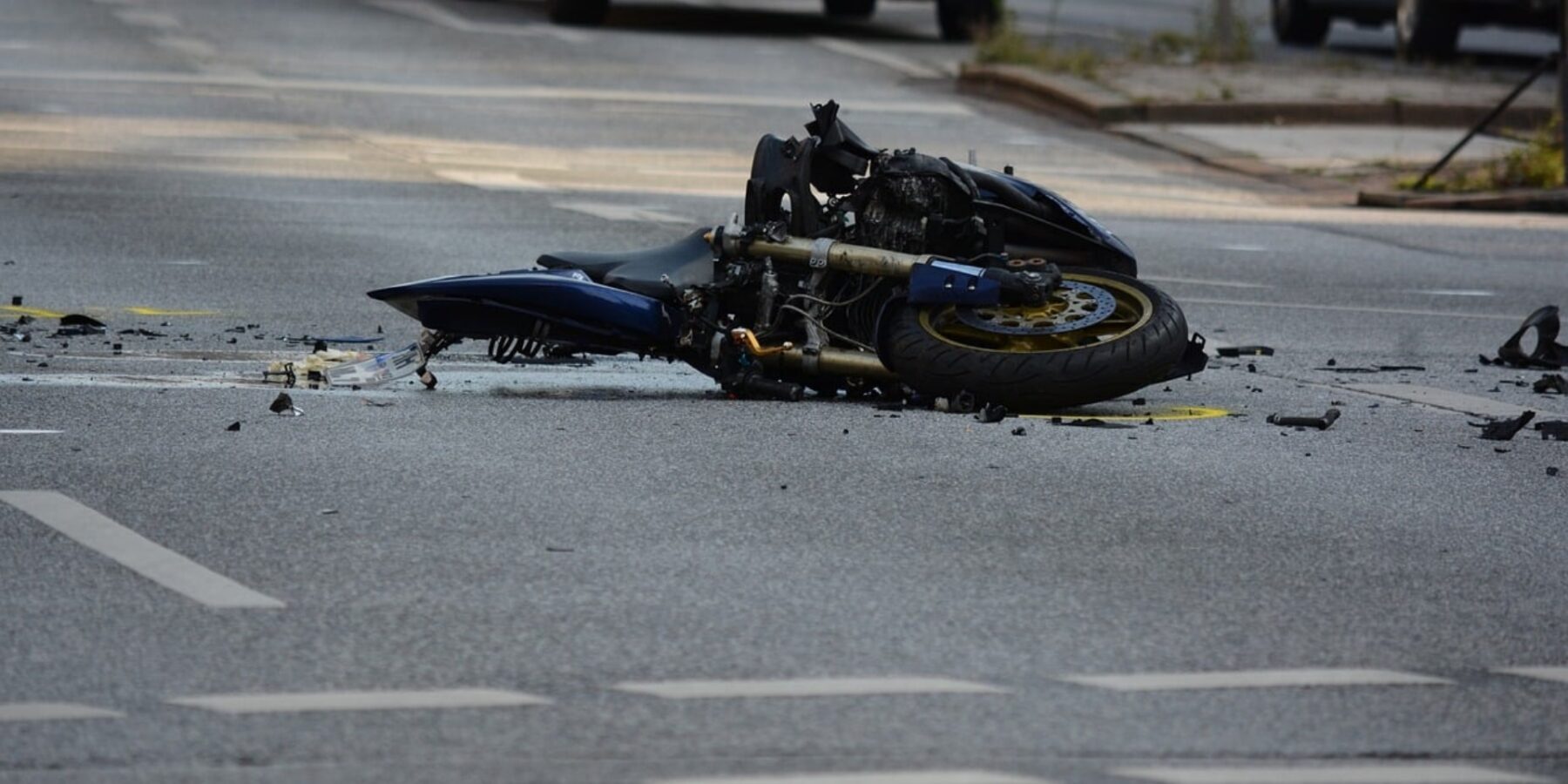
A Spokane Motorcycle Accident Lawyer can help families understand their legal options after a deadly crash leaves them with grief, unanswered questions, and pressure from insurance companies. A fatal motorcycle accident on June 20, 2026, has raised serious concerns about intersection safety, driver responsibility, and the legal rights of surviving family members in Spokane. According to KHQ, the crash happened at the intersection of West Garland Avenue and North Division Street and involved three vehicles.
KHQ reported that Spokane Police Department officers responded to the collision at approximately 7:40 p.m. The motorcyclist was taken to the hospital after the crash and later died from his injuries. KHQ later reported that the Spokane County Medical Examiner identified the rider as 36-year-old Joshua Stenson and listed his cause of death as blunt force injuries. The circumstances surrounding the crash remain a serious matter for investigators, especially because multi-vehicle motorcycle collisions often require a close review of driver actions, traffic signals, impact points, witness statements, and roadway conditions.
Fatal motorcycle crashes leave families facing more than shock. They may need to handle medical bills, funeral expenses, insurance calls, lost income, and the painful reality of life without someone they loved. When a crash involves several vehicles at a busy Spokane intersection, determining fault can take time, evidence, and legal pressure. A lawyer can help protect that evidence before it disappears.
If your loved one died or you suffered injuries in a Spokane motorcycle crash, Bernard Law Group can help you understand what comes next. Call (206) 752-2233 today for a free consultation. You pay no legal fees unless we win your case.
Why You Should Contact a Spokane Motorcycle Accident Lawyer After a Serious Crash
A serious motorcycle crash can become a legal fight before the family has even had time to breathe. Insurance companies start gathering statements. Vehicles may be moved, repaired, or destroyed. Camera footage near the crash scene may disappear within days. If the collision involved multiple vehicles, each driver’s insurer may start building a version of events that protects its own bottom line.
That is why contacting a Spokane motorcycle accident lawyer early matters. You need someone who can step in fast, preserve evidence, push back against unfair blame, and help your family understand what Washington law allows after a catastrophic or fatal crash. Bernard Law Group helps injured riders and grieving families take control of the legal process before insurance companies turn confusion into a weapon.
How Legal Help Protects Evidence After a Spokane Motorcycle Collision
Evidence moves quickly after a motorcycle collision. Skid marks fade. Debris gets cleared. Witnesses go home. Drivers repair their vehicles. A crash scene that looked chaotic on Friday night may look ordinary by Monday morning. That creates a serious problem for families who need proof of what happened.
A lawyer can begin gathering and preserving evidence before it slips away. In a three-vehicle motorcycle crash, that evidence may show which driver entered the intersection first, whether a driver failed to yield, whether traffic signals were working correctly, or whether another vehicle struck the rider after the first impact. Bernard Law Group understands that these details can decide the direction of the entire claim.
Police Reports and Crash Scene Evidence
The police report is often one of the first documents reviewed after a Spokane motorcycle accident. It may include driver statements, witness names, diagrams, road conditions, citations, and the responding officer’s initial observations. That report matters, but it is not the entire case. Police reports can contain missing information, early assumptions, or statements that need further investigation.
Crash scene evidence can fill those gaps. Vehicle damage, debris patterns, skid marks, traffic signal placement, lane markings, lighting, and sightlines can all help explain how the collision happened. For example, if a motorcycle was traveling through the intersection and another vehicle turned across its path, the location of impact and vehicle damage may reveal far more than a driver’s statement alone.
Witness Statements and Nearby Camera Footage
Witnesses can make a major difference after a Spokane motorcycle crash. A person standing near a storefront, driving behind the motorcycle, or waiting at the intersection may have seen something the involved drivers missed or failed to report. Their statements may confirm whether a driver ran a light, made an unsafe turn, changed lanes suddenly, or appeared distracted before impact.
Camera footage can be just as powerful. Many Spokane intersections and commercial corridors have nearby businesses, traffic cameras, dashcams, doorbell cameras, or security systems. These recordings may capture the crash itself or the moments leading up to it. A lawyer can move quickly to request footage before it is overwritten or deleted.
Why Business Cameras Near North Division Street May Matter
North Division Street is a busy commercial corridor, which means nearby businesses may have cameras facing parking lots, sidewalks, entrances, or the roadway. Even when a camera does not capture the full crash, it may show vehicle movement, traffic flow, lighting conditions, or the timing of a vehicle entering the intersection. That kind of footage can punch through guesswork.
For example, a business camera may show a vehicle waiting to turn moments before impact or a driver entering the intersection after the signal changed. It may also show whether traffic was heavy, whether visibility was poor, or whether another vehicle made a sudden movement. In a fatal crash, every second matters, and video can preserve those seconds when human memory cannot.
How Bernard Law Group Handles Insurance Pressure After a Motorcycle Wreck
Insurance companies do not wait quietly after a serious motorcycle wreck. They investigate quickly because they know the value of early control. Adjusters may call grieving family members, ask for recorded statements, request medical authorizations, or suggest that fault is unclear before the family has seen the evidence. That pressure can feel polite on the surface, but it can damage a claim fast.
Bernard Law Group helps protect victims and families from these tactics. The firm can communicate with insurers, review policy coverage, identify every available source of compensation, and stop adjusters from pushing the family into statements or settlements that do not reflect the true loss. After a fatal crash, you should not have to argue with an insurance company while planning a funeral.
Recorded Statements and Early Settlement Offers
A recorded statement may sound routine, but it can become a trap. Insurance adjusters may ask questions designed to create uncertainty about speed, lane position, visibility, or the rider’s actions before the crash. A grieving family member may try to be helpful and accidentally say something the insurer later uses to reduce or deny the claim.
Early settlement offers can create the same danger. An insurer may offer money before the full evidence is reviewed, before medical and funeral costs are complete, or before the family understands the long-term financial loss. Once a settlement is signed, the claim usually ends. That is why Bernard Law Group reviews the facts, damages, and insurance coverage before any offer gets treated as fair.
Bias Against Motorcycle Riders in Injury Claims
Motorcycle riders often face unfair assumptions after a crash. Some insurers try to paint riders as reckless, fast, or hard to see, even when the evidence points to another driver’s negligence. That bias can show up in fault disputes, settlement negotiations, and even casual comments from adjusters.
This matters because Washington law allows fault to be divided between parties. If an insurer can shift even part of the blame onto the rider, it can reduce the payout. Bernard Law Group pushes back by focusing on evidence, not stereotypes. The question is not whether the injured person rode a motorcycle. The question is whether another driver made a careless decision that caused a devastating crash.
Who Can Be Liable After a Spokane Motorcycle Accident in Washington
Liability after a Spokane motorcycle accident depends on one hard question. Who made the unsafe decision that caused the crash? In a multi-vehicle collision, the answer may involve more than one driver. One person may have failed to yield. Another may have followed too closely. A third may have reacted too late because they were distracted, speeding, or driving without enough space.
Washington motorcycle accident claims are built on evidence, not assumptions. Bernard Law Group reviews how each vehicle moved, what each driver saw, whether traffic laws were violated, and how the rider’s injuries connect to the collision. In a fatal crash, this work becomes even more urgent because families need answers that are grounded in facts, not insurance company spin.
Driver Negligence in Multi-Vehicle Motorcycle Crashes
Driver negligence is one of the most common issues in serious motorcycle cases. A negligent driver may fail to check for a rider before turning, drift into a motorcycle’s lane, speed through an intersection, or ignore traffic signals. These choices can turn a normal ride into a catastrophic collision within seconds.
Multi-vehicle crashes add another layer of difficulty. If three vehicles are involved, each driver may tell a different story. One driver may claim they had the green light. Another may claim they could not see the motorcycle. A third may argue they were forced into the crash by someone else’s mistake. Bernard Law Group sorts through those competing accounts by comparing them against physical evidence, witness statements, medical records, and crash scene details.
Unsafe Left Turns and Failure To Yield
Left turn crashes are especially dangerous for motorcyclists because the rider often has almost no time to avoid impact. A driver waiting to turn may misjudge the motorcycle’s speed, fail to see the rider, or assume they can clear the intersection before the motorcycle arrives. When that judgment is wrong, the motorcycle can strike the turning vehicle or become trapped in a chain reaction involving other cars.
Washington law requires drivers turning left to yield to oncoming traffic that is close enough to create an immediate hazard. That includes motorcycles. A driver cannot excuse a crash by saying they did not notice the rider if a careful driver would have seen the motorcycle before turning. In these cases, attorneys often look at signal timing, vehicle damage, roadway layout, and witness statements to determine whether the turn caused the crash.
Why Washington Law Treats Left Turn Crashes Seriously
Left turn crashes carry serious consequences because they often involve direct impact across the motorcycle’s path. A rider may hit the side of a vehicle, fly over the hood, or get thrown into another lane of traffic. When the crash happens at a busy intersection, the danger grows because other vehicles may not have enough time to stop.
Washington’s right-of-way rules exist to prevent these collisions. A driver who turns left must wait until it is safe. That rule matters even more when a motorcycle is approaching because riders lack airbags, doors, seatbelts, and a vehicle frame. In a legal claim, a left turn violation can become powerful evidence that the driver acted negligently.
Distracted Driving Near Busy Spokane Intersections
Distracted driving can be deadly near Spokane intersections. A driver who looks down at a phone, checks navigation, adjusts music, or scans a message may miss a motorcycle entering the intersection. That missed second can be enough to cause a severe crash.
Motorcycles are smaller than passenger vehicles, but they are not invisible. Drivers still have a legal duty to look carefully, check blind spots, obey signals, and yield when required. In a Spokane motorcycle accident case, Bernard Law Group may review phone records, vehicle data, witness accounts, dashcam footage, and police findings to determine whether distraction played a part.
Shared Fault and Washington Motorcycle Accident Claims
Washington uses a comparative fault system, which means more than one party can share responsibility for a crash. This matters in motorcycle cases because insurers often try to place blame on the rider. They may argue the rider was speeding, lane positioning was unsafe, lights were hard to see, or the rider should have reacted faster.
Those arguments need to be tested against the evidence. A rider can be blamed unfairly when the real problem was another driver’s unsafe turn, distraction, failure to yield, or lane change. Bernard Law Group challenges weak fault arguments by focusing on the crash facts and refusing to let motorcycle stereotypes control the case.
How Comparative Fault Can Affect Compensation
Comparative fault can reduce compensation based on the percentage of fault assigned to the injured person or deceased rider. For example, if an insurer argues that a rider was partly responsible, it may try to lower the value of the claim even when another driver caused the main collision. This can affect recovery for medical bills, funeral costs, lost income, pain, suffering, and wrongful death damages.
That is why fault percentages matter so much. A small shift in blame can mean a large difference in compensation. Attorneys can fight these reductions by collecting evidence that shows what actually happened, including traffic camera footage, crash reconstruction, vehicle damage analysis, and independent witness statements.
Why Insurers Try To Shift Blame Onto Riders
Insurance companies know that motorcycle bias can be useful. Some adjusters lean on tired assumptions that riders are reckless, speeding, or taking risks simply because they ride a motorcycle. Those assumptions are not evidence. They are defense tactics.
A serious claim needs proof, not guesswork. If a driver failed to yield, made an unsafe turn, or entered an intersection without enough clearance, the rider should not carry blame just because motorcycles make insurers nervous. Bernard Law Group works to cut through that noise and keep the focus where it belongs, on negligent conduct and the damage it caused.
Road Design and Intersection Hazards on North Division Street
Driver conduct is usually central to a motorcycle accident claim, but roadway conditions can also matter. North Division Street is a heavily traveled Spokane corridor with commercial traffic, turning vehicles, pedestrians, and changing congestion patterns. At intersections, those conditions can make timing, visibility, and lane position especially important.
A legal investigation may examine whether the roadway created added danger. Poor lighting, confusing markings, obstructed sightlines, signal timing problems, road debris, uneven pavement, or heavy traffic flow can all affect how a crash happens. If a public agency or contractor failed to correct a known hazard, liability may extend beyond the drivers involved.
Heavy Traffic Near Commercial Corridors
Commercial corridors create constant movement. Drivers enter and exit parking lots, delivery vehicles stop unexpectedly, and traffic can back up near intersections. Motorcyclists have to read all of that movement at once while staying visible and balanced. One careless driver can upset the entire rhythm.
For example, a driver may wave another vehicle through, turn across traffic without checking for a motorcycle, or block a rider’s view near an intersection. These details may sound small, but they can become central in a serious crash investigation. Bernard Law Group looks at the full traffic environment, not just the final point of impact.
Lighting Visibility and Lane Position Issues
Visibility can become a major issue in evening motorcycle crashes. The June 20 Spokane collision was reported around 7:40 p.m., a time when lighting conditions may shift depending on weather, shadows, glare, and traffic density. Drivers must adjust to those conditions. They cannot rely on a quick glance when entering or turning through an intersection.
Lane position can also affect how a crash unfolds. A motorcycle may be lawfully traveling in its lane, but a driver who fails to check carefully may overlook it while turning or changing lanes. Attorneys may study sightlines, vehicle height, headlight visibility, weather conditions, and the location of impact to determine whether a driver should have seen the rider in time to prevent the crash.
What Injuries Can a Spokane Motorcycle Accident Attorney Include in a Claim
Motorcycle accident injuries can be brutal, expensive, and deeply personal. A rider does not have a steel frame, airbags, or a seatbelt to absorb the force of impact. When a motorcycle collides with another vehicle, the rider’s body often takes the hit directly. That can mean emergency surgery, long hospital stays, permanent pain, or the worst outcome of all, a life cut short.
A Spokane motorcycle accident attorney can help connect those injuries to the crash and document the full harm caused by another party’s negligence. Bernard Law Group looks at medical records, emergency response reports, diagnostic imaging, specialist opinions, wage records, and family impact evidence to build a claim that reflects the real damage. The goal is simple. The claim should show the full cost of the crash, not the smallest number an insurance company wants to pay.
Fatal Blunt Force Injuries After Motorcycle Collisions
Fatal motorcycle crashes often involve blunt force trauma. This means the body suffered severe impact without necessarily involving a penetrating wound. In a motorcycle crash, blunt force injuries may happen when the rider strikes a vehicle, pavement, curb, pole, guardrail, or another object after being thrown from the bike.
In the Spokane crash reported by KHQ, the Spokane County Medical Examiner listed the rider’s cause of death as blunt force injuries. That type of finding can become important in a wrongful death claim because it helps establish how the collision caused the death. It may also support a broader review of the crash force, impact sequence, vehicle movement, and emergency medical care.
Internal Trauma and Emergency Medical Care
Internal trauma can be one of the most dangerous outcomes after a motorcycle collision because it is not always obvious at the scene. A rider may suffer internal bleeding, organ damage, collapsed lungs, abdominal trauma, or vascular injuries. Emergency responders may need to act quickly, especially when the rider has low blood pressure, confusion, trouble breathing, or signs of shock.
These injuries often require ambulance transport, emergency imaging, surgery, blood transfusions, intensive care, and specialist treatment. In a legal claim, those records help show both the severity of the crash and the medical effort required after impact. Bernard Law Group can use this documentation to push back when insurers try to downplay the harm or treat the crash like a routine accident.
Why Fatal Injury Cases Require Medical and Legal Documentation
Fatal motorcycle accident claims require careful documentation because the family must prove more than the fact that a crash occurred. They must show how the crash caused the death, what losses followed, and who should be held responsible. Medical examiner reports, hospital records, ambulance notes, police reports, and witness statements can all become part of that proof.
Legal documentation matters just as much. A wrongful death claim may involve estate records, beneficiary information, wage loss evidence, funeral expenses, and proof of family relationships. These cases carry emotional weight, but they also require strict attention to legal details. Bernard Law Group helps families gather the documents needed to move the claim forward while they focus on grieving and rebuilding.
Traumatic Brain Injuries After a Spokane Motorcycle Crash
Traumatic brain injuries are among the most serious injuries a motorcyclist can suffer. Even with a helmet, the force of a crash can cause the brain to move inside the skull, leading to bleeding, swelling, bruising, or damage to brain tissue. Some symptoms appear immediately. Others surface hours or days later, which can make these injuries especially dangerous.
A rider with a brain injury may struggle with headaches, confusion, dizziness, memory loss, mood changes, speech problems, vision changes, or trouble concentrating. For families, the shift can feel frightening. The person they love may look the same but act differently, forget simple tasks, or become overwhelmed by noise, light, or conversation.
Concussions, Brain Bleeds, and Cognitive Changes
A concussion is often called a mild traumatic brain injury, but the effects can be anything but mild. A rider may deal with headaches, nausea, fatigue, sleep disruption, irritability, or brain fog for weeks or months. When symptoms persist, the injury can affect work, driving, family life, and basic routines.
More severe brain injuries may involve bleeding, swelling, skull fractures, or loss of consciousness. These conditions can require emergency treatment and long-term rehabilitation. In a legal claim, attorneys may use emergency records, CT scans, MRIs, neurological evaluations, therapy notes, and family testimony to show how the injury changed the rider’s life.
Long-Term Care Needs After a Severe Head Injury
Severe head injuries can create care needs that stretch far beyond the first hospital stay. A rider may need physical therapy, speech therapy, occupational therapy, cognitive rehabilitation, medication management, home care, or help with transportation. Some victims cannot return to their former jobs or may need permanent supervision.
These long-term needs can raise the value and complexity of a motorcycle accident claim. The case should account for future treatment, reduced earning ability, home modifications, and the daily support the injured person may require. Bernard Law Group works to identify those future costs before an insurer tries to close the claim too quickly.
Spinal Cord Damage, Broken Bones, and Road Rash
Motorcycle crashes can damage nearly every part of the body. The spine, arms, legs, ribs, pelvis, shoulders, skin, and internal organs are all vulnerable when a rider is thrown or crushed. Even when the rider survives, the recovery can involve surgery, metal hardware, wound care, nerve pain, and months away from work.
These injuries can also overlap. A rider may suffer a broken femur, road rash, herniated disc, and concussion in the same crash. That combination can make recovery slower, more painful, and more expensive. Bernard Law Group evaluates the injuries together because the full impact of a motorcycle crash often comes from how multiple injuries disrupt the victim’s body and life at the same time.
Paralysis and Reduced Mobility
Spinal cord injuries can lead to partial or complete paralysis. A rider may lose movement or sensation in the legs, arms, hands, or trunk, depending on where the spine was damaged. Even when paralysis does not occur, spinal trauma can cause chronic pain, weakness, numbness, balance issues, or limited mobility.
These injuries can change every daily task. A person may need help getting dressed, bathing, driving, cooking, or moving through their home. They may need wheelchairs, braces, ramps, accessible vehicles, or long-term medical support. A claim must account for these realities, not just the first round of medical bills.
Orthopedic Surgery and Rehabilitation
Broken bones are extremely common after motorcycle accidents. Riders may suffer fractures in the legs, wrists, arms, ribs, collarbones, hips, or pelvis. Severe fractures may require surgery with plates, screws, rods, or external fixation devices. Recovery can involve casts, follow-up imaging, infection risk, physical therapy, and major limits on movement.
Rehabilitation can feel like a second battle after the crash. A rider may have to relearn how to walk, rebuild strength, regain range of motion, or manage pain that flares during simple tasks. For someone who worked a physical job, even one serious fracture can threaten their income. For someone with multiple fractures, the recovery can dominate their entire life for months.
How Multiple Injuries Can Change the Value of a Claim
Insurance companies often try to evaluate injuries one category at a time, but motorcycle crashes rarely work that neatly. A broken leg affects mobility. A concussion affects concentration. Road rash affects sleep and comfort. A spinal injury affects pain, work, and independence. Together, those injuries can create a much larger loss than each diagnosis shows on paper.
That is why a strong claim looks at the full chain reaction. Can the injured rider return to work? Can they ride, drive, walk, sleep, care for children, or manage normal household responsibilities? Bernard Law Group builds motorcycle accident claims around that bigger picture because compensation should reflect what the crash actually took from the victim and family.

What Compensation Can a Spokane Motorcycle Accident Lawyer Pursue for Victims and Families
A severe motorcycle crash does not create one clean financial loss. It creates a pileup of damages that can hit the victim or family from every direction. Medical bills arrive first. Then lost income. Then funeral costs, therapy expenses, motorcycle damage, insurance disputes, and the heavy daily cost of trying to keep life moving after everything has changed.
A Spokane motorcycle accident lawyer can pursue compensation that reflects the full harm caused by the crash. Bernard Law Group looks beyond the obvious bills and reviews how the collision affected the victim’s body, income, family, independence, and future. When a crash turns fatal, the claim must also account for what the family lost, including financial support, companionship, and the human cost of a preventable death.
Compensation for Injured Motorcycle Riders in Spokane
An injured rider may be able to pursue compensation for both financial losses and personal harm. Financial losses are usually easier to document because they come with bills, invoices, receipts, pay records, and medical statements. Personal harm can be harder to measure, but it still matters. Pain, fear, trauma, limited mobility, and the loss of normal routines all belong in a serious motorcycle injury claim.
For example, a rider who survives a crash on North Division Street may need emergency care, surgery, physical therapy, months away from work, and help at home. The insurance company may focus on the ambulance bill and hospital invoice. Bernard Law Group looks at the full picture, including what the crash did to the person’s ability to live, work, sleep, move, and support their family.
Medical Bills and Future Treatment
Medical bills often form the backbone of a motorcycle accident claim. These expenses may include ambulance transportation, emergency room treatment, trauma care, surgery, imaging, medication, hospital stays, specialist appointments, physical therapy, wound care, and follow-up visits. In a severe case, the medical costs can climb fast and continue long after the first discharge papers are signed.
Future treatment can become one of the most important parts of the claim. A rider may need another surgery, pain management, neurological care, orthopedic follow-up, counseling, or long-term rehabilitation. If the claim closes before those future costs are understood, the rider may be left paying for care out of pocket. Bernard Law Group works to identify future medical needs before settlement discussions become final.
Lost Income and Reduced Earning Capacity
A motorcycle crash can interrupt a person’s income immediately. A rider may miss days, weeks, or months of work while recovering. If the injuries are severe, they may never return to the same job. This can be especially devastating for riders who work in construction, trucking, warehouse jobs, health care, repair work, or any role that depends on physical strength and mobility.
Lost income covers missed wages after the crash. Reduced earning capacity looks further ahead. It asks whether the rider’s injuries will limit future income, force a career change, reduce hours, or end a working life early. For example, a mechanic with a crushed hand or a delivery driver with spinal damage may lose far more than a few paychecks. Bernard Law Group can use employment records, medical opinions, and economic analysis to show how the crash changed the rider’s future earning power.
Motorcycle Damage and Out-of-Pocket Costs
The motorcycle itself may be badly damaged or completely destroyed. A claim can include repair costs, replacement value, towing, storage fees, helmet damage, riding gear damage, and other property losses tied to the collision. These costs may seem smaller than hospital bills, but they still matter because they came directly from the crash.
Out-of-pocket costs can also add up quietly. A victim may pay for transportation to medical appointments, prescription co-pays, braces, bandages, mobility devices, home help, child care, or temporary housing changes. A strong claim tracks these expenses early, before they disappear into bank statements and forgotten receipts.
Wrongful Death Compensation After a Fatal Spokane Motorcycle Crash
When a motorcycle crash takes someone’s life, the legal claim changes. The family is no longer dealing only with injury expenses. They are facing the permanent loss of a person they loved. Washington law allows certain surviving family members and the estate to pursue damages after a wrongful death, but these claims require careful handling and clear documentation.
A fatal motorcycle crash can leave a spouse without a partner, children without a parent, and parents without a child. The financial loss matters, but the emotional damage is enormous. Bernard Law Group helps families pursue compensation while also protecting them from insurance companies that may try to narrow the case to a cold calculation of receipts and bills.
Funeral Costs and Final Medical Expenses
Funeral and burial costs can place an immediate financial burden on families already dealing with shock and grief. A wrongful death claim may seek compensation for reasonable funeral expenses, burial or cremation costs, memorial services, and related end-of-life expenses. These costs often arrive quickly, before the family has had time to understand the legal process.
Final medical expenses may also become part of the claim. If the rider received emergency treatment, ambulance care, hospital care, surgery, or life-saving measures before passing away, those costs may be recoverable. In the June 20 Spokane crash reported by KHQ, the rider was transported to the hospital before he later died. In cases like that, medical records can help document the care provided between the collision and the death.
Loss of Financial Support and Companionship
A fatal motorcycle crash can take away financial support that a family depended on. The claim may include income the deceased person would likely have earned, benefits they provided, household services they performed, and the financial stability they helped create. These losses can affect spouses, children, and other eligible family members for years.
Companionship is different, but just as real. Families lose conversations, guidance, affection, shared routines, parenting, support, and the simple presence of someone who mattered every day. No legal claim can replace that. Still, a wrongful death case can demand accountability and seek compensation for the depth of the family’s loss.
How Bernard Law Group Builds the Value of a Motorcycle Accident Claim
A motorcycle accident claim needs more than a stack of bills. It needs a complete story supported by evidence. The insurance company wants a number it can contain. The injured rider or grieving family needs a claim that reflects what actually happened and what the crash has taken.
Bernard Law Group builds value by collecting evidence, documenting injuries, identifying every liable party, and showing the human impact of the crash. That may include medical proof, wage records, expert review, family statements, crash reconstruction, and insurance coverage analysis. The work is detailed because the stakes are high.
Medical Records and Expert Opinions
Medical records show the diagnosis, treatment, and recovery path after a motorcycle crash. They may include emergency notes, imaging results, surgical records, therapy reports, pain management plans, and specialist evaluations. These records help prove the injuries came from the crash and show how serious they are.
Expert opinions can strengthen the claim when the injuries are complex or long-term. A doctor may explain future treatment needs. A vocational expert may explain why the victim cannot return to the same job. An economist may calculate future income loss. A crash reconstruction expert may explain how the collision occurred. Bernard Law Group can use this evidence to challenge low settlement offers and build a stronger demand.
Evidence That Shows the Full Impact of the Crash
The value of a motorcycle accident claim depends on more than medical terminology. It depends on how the crash changed the victim’s life. Can they walk without pain? Can they work full shifts? Can they sleep through the night? Can they ride again? Can they pick up their child, climb stairs, cook dinner, or get through a normal day without help?
For families in fatal cases, the evidence may include photographs, family statements, employment records, financial documents, and details about the role the person played at home. These facts give the claim weight. They show that the crash did not end at the intersection. It followed the family into every part of their life.

Contact a Spokane Motorcycle Accident Lawyer Today
A fatal motorcycle crash leaves a family with questions that cannot wait. Who caused the collision? What evidence still exists? Which insurance policies apply? Whether the crash happened on North Division Street, I-90, Spokane Valley roads, or another busy corridor in Eastern Washington, the next steps can shape the entire claim.
Bernard Law Group helps injured riders and grieving families after serious motorcycle crashes across Washington. Our team can investigate what happened, deal with insurance companies, gather medical and crash evidence, and pursue compensation for funeral costs, medical bills, lost income, pain, suffering, and wrongful death damages. You should not have to chase answers while an insurance company protects itself.
If you are searching for a Spokane Motorcycle Accident Lawyer after a serious or fatal crash, act quickly. Camera footage can disappear. Vehicles can be repaired. Witness memories can fade. The sooner a legal team begins protecting the claim, the stronger the case can become.
Bernard Law Group offers free consultations, and you pay no legal fees unless we win your case. Call (206) 752-2233 today or reach out through our contact page to speak with a Spokane motorcycle accident lawyer who is ready to help.
Contact usfor a free consultation.
Phone: (206) 312-3908