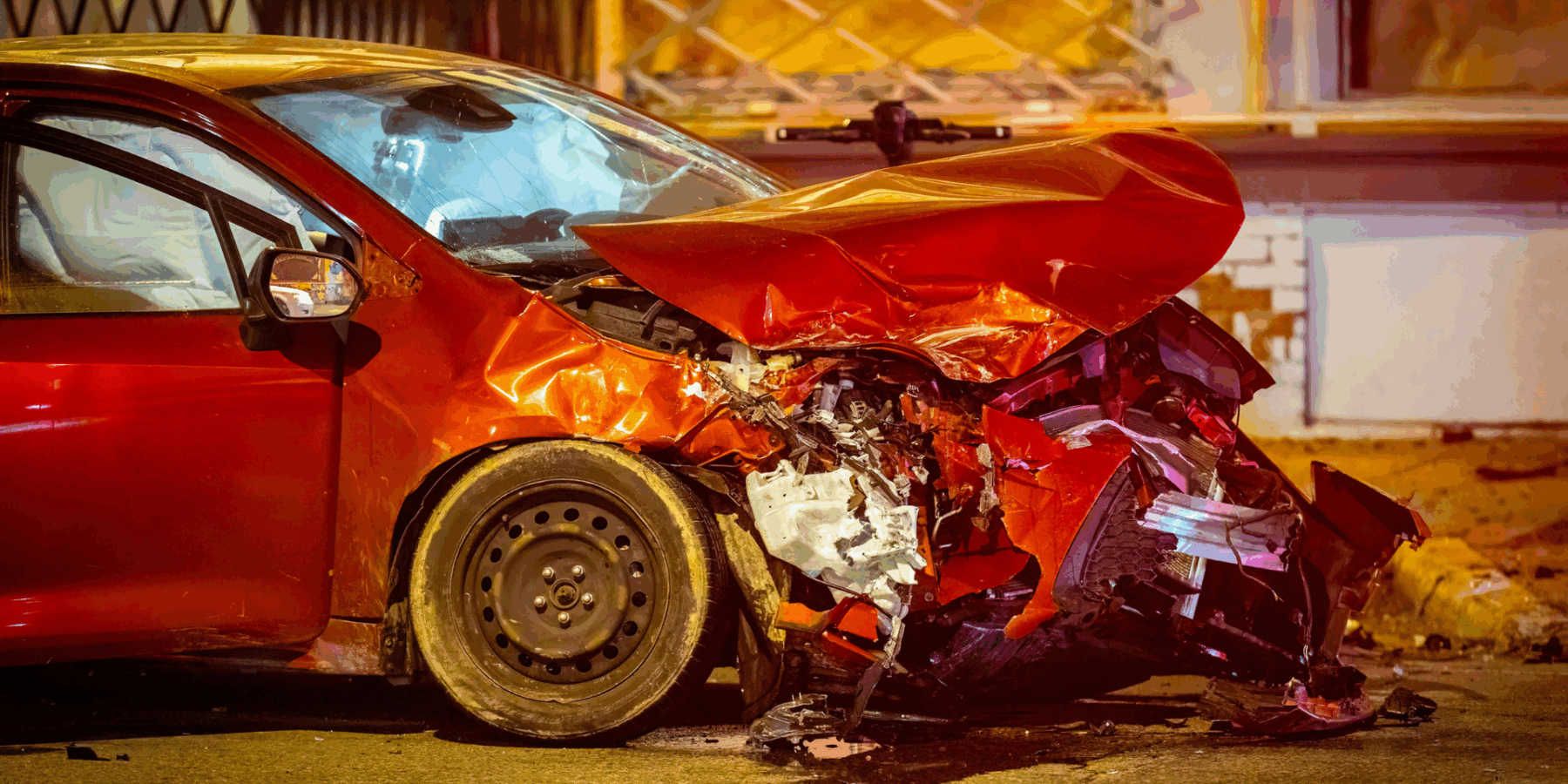
A head-on collision near Yakima on Sunday sent multiple people to the hospital, according to Newstalk KIT. The crash occurred around 9:30 a.m. on State Route 16 near Olalla when two vehicles collided in opposing lanes, causing significant damage and blocking part of the highway. Emergency crews responded to the scene, and several occupants were transported to area hospitals with injuries ranging from moderate to serious, including a three-year-old child, who was not secured in a car seat at the time of the accident. That child’s guardian now faces charges of reckless child endangerment. The other driver was charged with felony DUI and vehicular assault.
This head-on collision underscores the serious risks drivers face when vehicles cross into oncoming traffic on Washington roadways. Victims of head-on collisions involving DUI may face lengthy medical treatment, painful recovery periods, and uncertainty about how they will manage mounting expenses and time away from work. When innocent young children are involved, the situation becomes that much more serious. Working with one of our experienced Washington car accident attorneys at Bernard Law can help injured individuals understand what went wrong, identify responsible parties, and pursue the compensation they need to move forward. If you or someone you know has been affected by a DUI crash in the Yakima area, don’t hesitate to give us a call at (206) 984-3521 and see what we can do for you.
How an Attorney Can Help After a Yakima DUI Crash
After a Yakima DUI crash, having experienced legal representation can make a critical difference, and our dedicated team at Bernard Law is dedicated to protecting the rights of injured victims and their families. DUI-related collisions often involve complex investigations, criminal proceedings, and aggressive insurance companies that work quickly to minimize payouts. An attorney can help preserve evidence, review police reports and toxicology findings, and ensure liability is properly established. Legal guidance also helps victims avoid common mistakes when dealing with insurers during a stressful and uncertain time.
At Bernard Law, our team understands the physical, emotional, and financial toll a serious DUI crash can cause. We work closely with clients to explain their legal options, manage insurance communications, and pursue compensation that reflects the full impact of their injuries. From medical expenses and lost income to long-term recovery needs, our attorneys are committed to standing by clients at every stage of the process and helping them move forward with confidence. We take a personalized approach to every case, recognizing that no two crashes or recoveries are the same. Our attorneys remain accessible and responsive, keeping clients informed and supported as their cases progress. By handling the legal burden and advocating aggressively on your behalf, we allow you to focus on healing while we focus on protecting your rights and future.
How Police Investigate a Yakima DUI Crash
A DUI collision triggers a detailed law enforcement investigation due to the serious danger impaired driving presents. After a Yakima DUI crash, officers focus on determining whether alcohol or drugs contributed to the collision. Since DUI cases often involve criminal charges, investigations tend to be more thorough than standard crashes. Therefore, police carefully document evidence from the scene through post-arrest procedures. Understanding this process helps victims see how fault and accountability are established.
Securing the Crash Scene and Assessing Safety
Police officers first secure the scene to protect everyone involved and prevent further harm. They manage traffic flow, request medical assistance, and identify immediate hazards. Officers then begin making initial observations about vehicle damage and roadway conditions. These early steps help preserve critical evidence. Scene control supports an accurate investigation.
Observing Driver Behavior and Physical Signs
Officers closely observe drivers for signs of impairment. Slurred speech, bloodshot eyes, and unsteady movement often raise concern. They also note odors that may indicate alcohol consumption. These observations become part of the official report. Early impressions frequently influence the direction of the investigation.
Gathering Statements From Drivers and Witnesses
Police typically interview drivers, passengers, and witnesses at the scene. They ask questions about travel direction, speed, and events leading to the crash. Officers compare statements for consistency and credibility. Witness accounts often help clarify disputed details. Accurate statements support reliable conclusions.
Documenting Inconsistencies and Admissions
Officers carefully note conflicting statements or admissions made by drivers. Inconsistencies may suggest impairment or reckless behavior. Admissions about alcohol or drug use carry significant weight. These details often become key evidence. Thorough documentation strengthens the case.
Conducting Field Sobriety Tests
When impairment is suspected, officers may conduct field sobriety tests. These tests evaluate balance, coordination, and ability to follow instructions. Performance helps officers assess impairment levels. Tests must follow standardized procedures. Proper administration supports validity.
Commonly Used Field Sobriety Tests
Officers often use the walk-and-turn test and one-leg stand test. They may also conduct the horizontal gaze nystagmus test. Each test measures specific indicators of impairment. Officers record performance carefully. Results contribute to probable cause decisions.
Administering Breath or Blood Tests
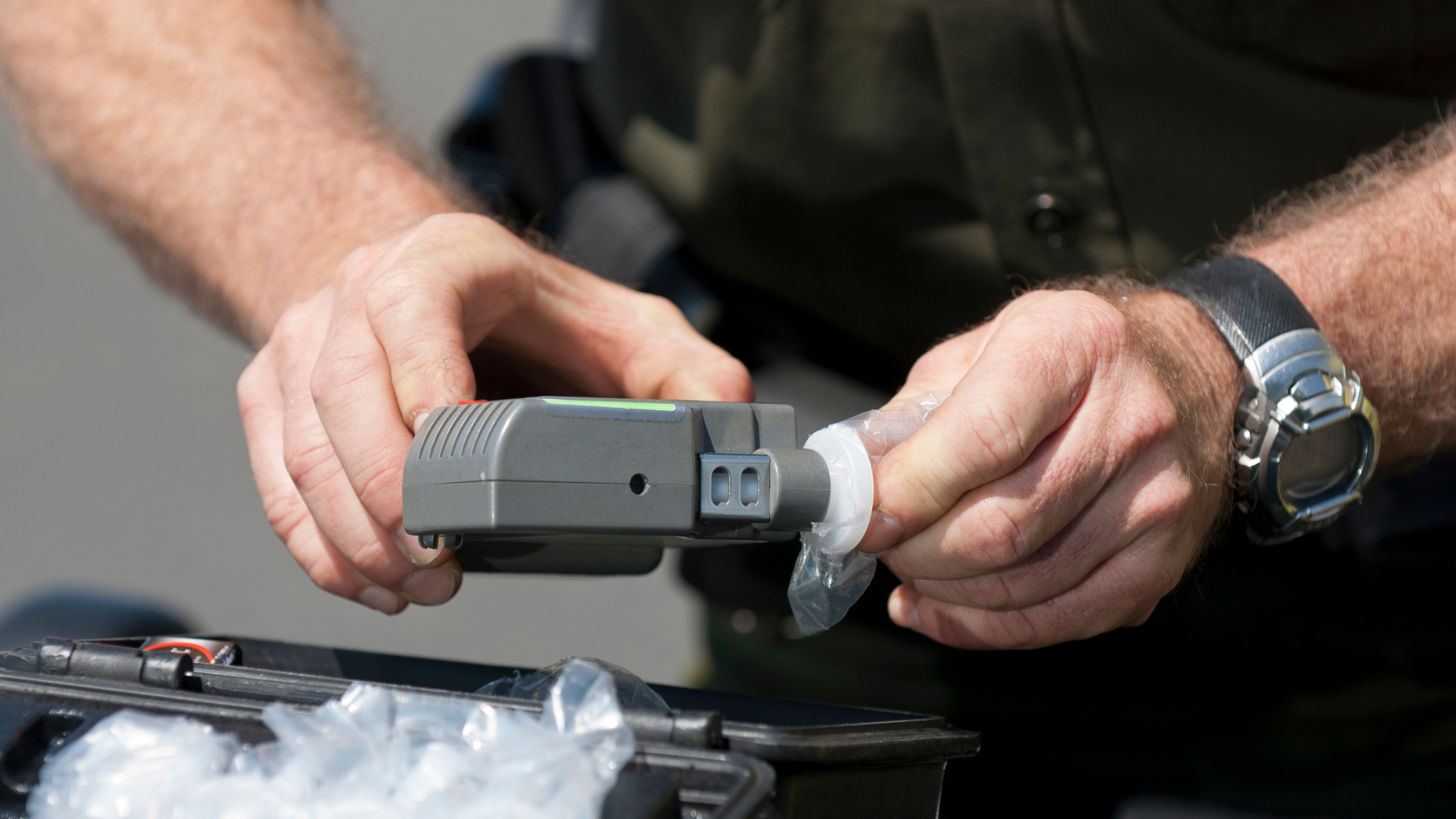
Chemical testing plays a central role in DUI investigations. Officers may request breath or blood samples to measure alcohol concentration. Blood tests may also detect drugs. Testing typically occurs shortly after the crash. Timely testing improves accuracy.
Implied Consent and Refusal Consequences
Washington law includes implied consent requirements for DUI testing. Refusing a test may lead to license suspension. Officers document refusals carefully. Refusal evidence may still be used in court. Understanding this process matters.
Reviewing Crash Evidence and Reconstruction
Police analyze physical evidence to determine how the crash occurred. Skid marks, vehicle positions, and impact points provide important clues. Officers may use photographs and measurements. In serious cases, crash reconstruction specialists assist. This analysis helps establish fault.
Determining Speed and Point of Impact
Investigators evaluate vehicle damage patterns to estimate speed. They also identify where vehicles collided. These findings support conclusions about driver behavior. Accurate reconstruction strengthens legal proceedings. Evidence-based analysis remains essential.
Preparing the Police Report and DUI Charges
Officers compile all findings into a detailed police report. The report includes observations, test results, and witness statements. Prosecutors use this report when deciding charges. The report also influences insurance claims. Accuracy and detail matter greatly.
Importance of the Police Report for Victims
The police report often becomes a key document for injured victims. It helps establish liability and impairment. Insurance companies rely heavily on its contents. Errors may cause delays or disputes. Reviewing the report carefully remains important.
Steps to Take After a Yakima DUI Crash
A DUI-related collision often leaves victims injured, shaken, and unsure of what to do next. After a Yakima DUI crash, the steps taken in the hours and days that follow can strongly affect recovery and legal options. Because impaired driving crashes frequently involve serious injuries, early decisions carry significant consequences. Therefore, understanding the proper actions helps protect both health and rights. A clear plan can provide stability during a stressful time.
Seek Immediate Medical Attention
Medical care should always be the first priority after a DUI crash. Even if injuries appear minor, serious conditions may not show symptoms right away. Head injuries, internal bleeding, and soft tissue damage often worsen without prompt treatment. Seeking medical attention creates critical documentation linking injuries to the crash. Early treatment also improves long-term recovery outcomes.
Follow All Recommended Treatment Plans
After initial care, continuing treatment remains essential. Skipping appointments or ignoring medical advice may delay healing. Insurance companies often review treatment consistency closely. Regular care helps document injury severity and duration. These records support both health and compensation claims.
Contact Law Enforcement and Ensure a Police Report Is Filed
Police involvement is especially important after a Yakima DUI crash. Officers document the scene, assess impairment, and begin a criminal investigation. The police report often becomes a key piece of evidence. Without it, insurance claims may face serious challenges. Always request a copy for your records.
Provide Accurate and Honest Information
When speaking with officers, share facts without speculation. Stress and shock can affect memory immediately after a crash. Stick to what you clearly observed and experienced. Avoid guessing about speed or fault. Accurate statements support a reliable report.
Document the Crash Scene if Possible
If your condition allows, gathering evidence at the scene can be helpful. Photographs of vehicle damage, road conditions, and traffic signs preserve important details. Weather, lighting, and lane markings may also matter. This evidence can disappear quickly. Acting promptly strengthens future claims.
Identify and Speak With Witnesses
Witnesses often provide valuable insight into how the crash occurred. Other drivers or bystanders may have observed signs of impairment. Collect names and contact information when possible. Independent accounts often support liability determinations. Witness cooperation can make a meaningful difference.
Notify Your Insurance Company Carefully
Reporting the crash to your insurance company is necessary. It’s good to keep in mind that insurers often begin investigating immediately. Provide basic information without detailed recorded statements right away. Avoid discussing fault or injury severity prematurely. A cautious approach helps protect your interests.
Avoid Accepting Early Settlement Offers
Insurance companies may offer quick settlements after DUI crashes. These offers often fail to account for long-term injuries or future care. Once accepted, additional compensation is usually unavailable. Allowing time for injuries to stabilize protects future needs. Patience often leads to fairer outcomes.
Consider Speaking With an Experienced DUI Crash Attorney
Legal guidance can provide clarity after a Yakima DUI crash. An attorney can explain your rights and manage insurance communications. Legal support also ensures deadlines are met properly. Understanding options early prevents costly mistakes. Guidance allows you to focus on recovery.
Act Before Legal Deadlines Apply
Washington law sets strict deadlines for injury-related claims. Missing these deadlines may limit or eliminate recovery options. Early action helps preserve evidence and protect rights. Legal assistance ensures compliance with all requirements. Timely steps support stronger outcomes.
Common Insurance Issues After a Yakima DUI Crash
Insurance issues often become one of the most stressful parts of recovery after an impaired driving collision. After a Yakima DUI crash, victims may expect clear accountability, yet insurers frequently create obstacles. Even when impairment appears obvious, insurance companies often work to limit financial exposure. Therefore, understanding common insurance challenges helps victims avoid costly mistakes. Preparation and awareness can protect long-term recovery.
Insurance Companies May Dispute Liability
Even in DUI cases, insurance companies may attempt to dispute fault. Adjusters sometimes argue that other factors contributed to the crash. They may question vehicle positioning, speed, or roadway conditions. These arguments aim to reduce payouts rather than reflect reality. Clear evidence becomes essential.
Shifting Blame Onto the Victim
Insurers may attempt to assign partial fault to injured victims. They often claim sudden stops or lane changes caused the collision. Washington comparative fault rules can reduce compensation if blame shifts. Strong documentation helps counter these tactics. Accurate records protect claims.
Delays in Claim Processing Are Common
Insurance claims following a Yakima DUI crash often take longer than expected. Insurers may wait for criminal proceedings to progress before acting. These delays can cause frustration and financial pressure. Medical bills may continue accumulating during this time. Patience and organization remain important.
Waiting on DUI Investigation Results
Criminal DUI investigations can take weeks or months. Insurance companies may use this timeline to stall decisions. Delays may affect access to compensation. Understanding this process helps manage expectations. Planning ahead reduces stress.
Policy Limits May Not Cover Full Losses
Severe injuries from DUI crashes often exceed policy limits. Medical treatment, rehabilitation, and lost income can quickly surpass coverage amounts. When limits fall short, victims face financial gaps. Identifying all coverage sources becomes critical. A thorough review supports recovery.
Multiple Insurance Policies May Apply
In some cases, multiple insurance policies may provide coverage. These may include employer policies or underinsured motorist coverage. Overlooking additional policies can limit recovery. Careful investigation helps identify options. Expanded coverage increases compensation potential.
Insurers May Push Early Settlement Offers
Insurance companies sometimes offer early settlements after DUI crashes. These offers may seem helpful during financial stress. However, early settlements often undervalue long-term injuries. Once accepted, claims usually cannot be reopened. Caution protects future needs.
Long-Term Injuries Often Appear Later
Some injuries worsen or develop over time. Brain injuries and soft tissue damage may not appear immediately. Early settlements rarely account for future treatment. Allowing time for medical evaluation supports fair compensation. Waiting often leads to better outcomes.
Disputes Over Damages and Medical Treatment
Insurers frequently challenge the necessity or cost of medical care. They may argue treatment was excessive or unrelated. These disputes can delay payments and cause frustration. Consistent treatment records help counter challenges. Clear medical documentation matters.
Independent Medical Reviews and Denials
Insurance companies may request independent medical reviews. These reviews often favor insurer interests. Denials may follow unfavorable assessments. Responding requires careful documentation. Preparation strengthens responses.
Why Legal Guidance Helps Navigate Insurance Challenges
Insurance challenges after a Yakima DUI crash often overwhelm injured victims. Policy language and claim requirements can feel confusing. Legal guidance helps interpret coverage and respond strategically. Support ensures deadlines and procedures are followed correctly. Advocacy protects fair recovery.
Who May Be Liable in a Yakima DUI Crash
Determining liability after an impaired driving collision often requires careful investigation. In a Yakima DUI crash, responsibility may extend beyond the intoxicated driver alone. Because DUI crashes frequently cause severe harm, identifying all liable parties becomes critical. Therefore, understanding potential sources of liability helps victims pursue full compensation. A thorough review ensures accountability aligns with fault.
The Intoxicated Driver
The impaired driver is often the primary liable party in a Yakima DUI crash. Driving under the influence violates Washington law and demonstrates reckless disregard for safety. Alcohol or drug impairment affects judgment, reaction time, and coordination. These impairments significantly increase crash risk. Evidence of intoxication strongly supports liability.
Blood Alcohol Content and Chemical Testing
Chemical testing often plays a central role in DUI cases. Breath or blood test results help establish impairment levels. Higher alcohol concentrations strengthen liability claims. Testing documentation becomes important evidence. Accurate records support accountability.
Employers of Impaired Drivers
If the intoxicated driver was working at the time of the crash, an employer may share liability. Delivery drivers, commercial drivers, or service technicians often operate vehicles during work hours. When impairment occurs during job duties, employers may bear responsibility. This principle helps ensure accountability for business-related driving risks. Employment records help determine applicability.
Scope of Employment Considerations
Employer liability depends on whether the driver acted within job responsibilities. Driving between work sites often qualifies. Personal errands usually do not. Reviewing schedules and assignments clarifies responsibility. Accurate timelines strengthen these claims.
Vehicle Owners Other Than the Driver
In some cases, the impaired driver may not own the vehicle involved. Vehicle owners may share responsibility if they knowingly allowed unsafe use. Lending a vehicle to an intoxicated driver may create liability. Ownership records help identify additional responsible parties. This factor may expand insurance coverage options.
Negligent Entrustment of a Vehicle
Negligent entrustment occurs when an owner allows an impaired person to drive. Knowledge of intoxication plays a key role. Proving this requires careful investigation. Witness statements and communications may support claims. Documentation strengthens liability arguments.
Bars, Restaurants, and Alcohol Providers
In limited situations, alcohol providers may share liability. Washington law allows claims when alcohol is served to obviously intoxicated individuals. These cases require specific evidence. Surveillance footage and witness testimony often matter. Liability depends on case circumstances.
Dram Shop Considerations
Dram shop claims involve complex legal standards. Not every DUI crash qualifies for this type of claim. Evidence must show visible intoxication at service. Proper investigation determines viability. Legal guidance helps evaluate these claims.
Why Identifying All Liable Parties Matters
Identifying every responsible party strengthens a DUI injury claim. Multiple liable parties may increase available compensation. Overlooking one party can limit recovery options. A comprehensive liability review ensures fairness. This approach supports full financial recovery.
Comparative Fault Issues
Insurance companies may attempt to shift partial blame to victims. Washington law allows fault allocation to affect compensation. Clear evidence helps counter unfair fault claims. Understanding these rules supports informed decisions. Accurate fault analysis protects recovery.
Compensation Available After a Yakima DUI Crash
A DUI-related collision often causes serious harm that affects every part of a victim’s life. After a Yakima DUI crash, compensation can play an important role in supporting physical, emotional, and financial recovery. Because impaired driving crashes frequently result in severe injuries, damages may extend far beyond immediate medical costs. Therefore, understanding available compensation helps victims plan for both short-term needs and long-term stability. A comprehensive claim reflects the full impact of the crash.
Medical Expenses and Ongoing Treatment Costs
Medical expenses often represent the most immediate financial burden after a DUI crash. Emergency care, hospital stays, surgeries, and diagnostic testing can become costly very quickly. Many victims also require follow-up treatment, rehabilitation, or specialist care. These costs may continue for months or even years. Compensation should account for both current and future medical needs.
Long-Term Medical Care and Rehabilitation
Some injuries require extended or lifelong medical care. Traumatic brain injuries and spinal damage often involve ongoing treatment plans. Estimating future care costs requires careful medical evaluation. Without proper documentation, insurers may undervalue these needs. Planning ahead helps protect financial security.
Lost Wages and Reduced Earning Capacity
A Yakima DUI crash may prevent victims from returning to work right away. Missed paychecks can create immediate financial stress. In more severe cases, injuries may permanently limit job performance or employment options. Reduced earning capacity can affect long-term financial stability. Compensation should reflect both temporary and lasting income losses.
Employment Disruptions and Career Impact
Extended recovery periods may require reduced hours or job modifications. Some victims may need to change careers entirely. These disruptions affect income growth and job security. Documenting employment impacts strengthens compensation claims. Clear records help demonstrate financial loss.
Property Damage and Related Expenses
DUI crashes often cause significant vehicle damage. Repair or replacement costs may arise immediately after the collision. Victims may also face towing, storage, or rental vehicle expenses. These costs add pressure during recovery. Compensation may help cover these necessary expenses.
Personal Property Losses
Personal items inside vehicles may also suffer damage. Phones, computers, and other belongings often break during impact. These losses deserve consideration in a claim. Including them creates a more complete recovery picture. Attention to detail matters.
Pain, Suffering, and Emotional Distress
Beyond financial losses, DUI crashes often cause significant physical pain and emotional trauma. Victims may experience anxiety, depression, or sleep disturbances. These effects can interfere with daily activities and relationships. Although difficult to quantify, they remain important damages. Compensation should reflect these experiences.
Impact on Quality of Life
Injuries may limit independence and enjoyment of daily activities. Simple tasks may become painful or challenging. Over time, these limitations affect overall well-being. Describing these changes helps convey their seriousness. A complete claim reflects real-life impact.
Punitive and Enhanced Damages in DUI Cases
DUI crashes may involve additional forms of compensation due to reckless behavior. Courts may allow enhanced damages to address dangerous conduct. These damages aim to discourage impaired driving. Availability depends on case circumstances. Legal guidance helps evaluate these options.
Importance of a Thorough Compensation Review
Every Yakima DUI crash presents unique losses and challenges. Overlooking damages can limit recovery significantly. A thorough evaluation ensures all losses receive consideration. Preparation supports fair compensation outcomes. Comprehensive review protects future stability.

How Legal Representation Steps In After a Yakima DUI Crash
A DUI-related collision often creates confusion, stress, and long-term uncertainty for injured victims. After a Yakima DUI crash, legal representation provides structure and protection during a difficult recovery period. Because impaired driving cases involve both criminal and civil issues, experienced guidance becomes especially important. Therefore, legal support helps victims understand their rights while managing complex insurance and legal processes. Representation allows injured individuals to focus on healing while their case moves forward.
Investigating the Crash and Preserving Evidence
Legal representation begins with a thorough investigation of the DUI crash. Attorneys review police reports, toxicology results, and witness statements carefully. They may also gather surveillance footage or crash scene photographs. Acting quickly helps preserve evidence before it disappears. Strong investigation lays the foundation for accountability.
Coordinating With Law Enforcement and Experts
Attorneys often work alongside law enforcement during DUI and DWI investigations. They may also consult accident reconstruction or medical experts when needed. Expert analysis helps explain how impairment contributed to the collision. Professional support strengthens the overall case. Collaboration improves accuracy.
Managing Insurance Company Communication
Insurance companies often contact victims shortly after a Yakima DUI crash. These conversations may feel overwhelming during recovery. Legal representation handles all insurer communication on the victim’s behalf. This approach prevents misstatements and protects claim integrity. Professional handling reduces stress.
Preventing Unfair Insurance Tactics
Insurers may attempt to minimize injuries or push early settlements. Adjusters often seek statements that reduce liability. Legal advocates recognize these tactics and respond strategically. Advocacy helps ensure fair treatment. Protection remains a priority.
Identifying All Available Sources of Compensation
Legal representation helps identify every possible compensation source. This may include the at-fault driver’s insurance and underinsured motorist coverage. In some cases, additional policies may apply. Overlooking coverage can limit recovery. Careful review ensures no option is missed.
Evaluating Policy Limits and Coverage Gaps
Attorneys review policy language and limits closely. They identify gaps that may affect compensation. Understanding coverage helps manage expectations. Accurate evaluation supports planning. Preparation strengthens recovery efforts.
Documenting Injuries and Long-Term Impact
Proper documentation remains essential after a Yakima DUI crash. Legal representation helps organize medical records and treatment timelines. This documentation links injuries directly to the crash. Clear records support accurate compensation. Organization improves credibility.
Accounting for Future Medical and Financial Needs
Some injuries require long-term care or lifestyle adjustments. Attorneys help consider future treatment costs and employment impacts. Planning ahead prevents under-compensation. Forward-looking analysis protects long-term stability. Preparation matters.
Handling Legal Deadlines and Procedural Requirements
Washington law imposes deadlines for DUI-related injury claims. Missing these deadlines may jeopardize recovery options. Legal representation tracks all filing requirements carefully. This oversight removes procedural stress. Compliance protects legal rights.
Navigating Complex Legal Processes
DUI cases often involve parallel criminal and civil proceedings. Understanding how these processes interact can feel confusing. Legal representation explains each step clearly. Guidance reduces uncertainty. Structure helps clients feel supported.
Advocating for Fair Compensation and Accountability
Legal representation focuses on securing compensation that reflects all losses. Attorneys negotiate with insurers using evidence and legal strategy. When necessary, they prepare cases for litigation. Strong advocacy strengthens settlement positions. Accountability remains central.
Preparing for Litigation When Needed
Although many cases resolve through negotiation, some require court action. Legal representation prepares cases as if trial is possible. This readiness often improves outcomes. Preparation demonstrates seriousness. Strong advocacy benefits clients.
Providing Guidance and Peace of Mind
Beyond legal work, representation offers reassurance during recovery. Attorneys keep clients informed and involved throughout the process. Knowing someone protects your interests reduces anxiety. Support helps decision-making. Peace of mind supports healing.
Contact and Experienced Yakima DUI Crash Lawyer Today
If you or a loved one has been injured in a Yakima DUI crash, taking prompt action can help protect your rights and strengthen your claim. DUI-related accidents often result in serious injuries, complex investigations, and insurance challenges that can feel overwhelming without legal support. Our skilled attorneys at Bernard Law have experience handling DUI crash cases and understand how to pursue accountability when impaired driving causes harm. Our team works diligently to investigate the crash, preserve critical evidence, and handle insurance communications so you can focus on recovery.
At Bernard Law, we’re committed to providing compassionate, client-focused representation to individuals and families throughout Yakima and surrounding communities. We take the time to listen to your story, explain your legal options clearly, and pursue compensation that reflects the true impact of your injuries. Our team understands the urgency that follows a serious DUI crash and acts quickly to protect evidence and critical deadlines. We handle all communication with insurance companies so clients do not feel pressured or overwhelmed during recovery. From the initial consultation through resolution, our goal is to provide steady guidance, responsive support, and strong advocacy every step of the way. Call (206) 984-3521 today or fill out our contact form so your case can be heard. Let us help you move forward with confidence and get the justice you deserve.
Contact usfor a free consultation.
Phone: (206) 312-3908