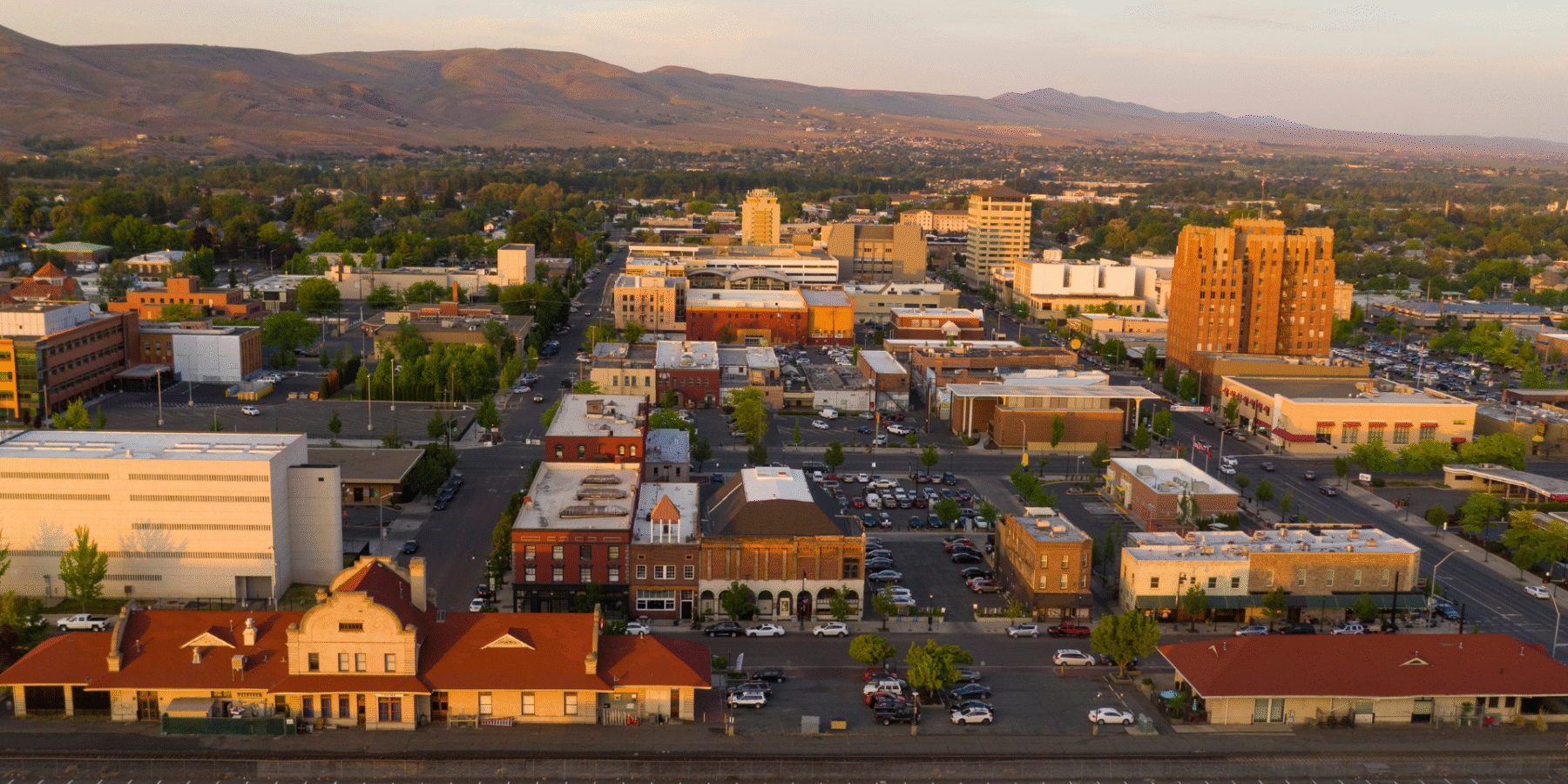
A pedestrian was injured the Saturday before last in a crash on East Nob Hill Boulevard in Yakima, according to the Yakima Herald-Republic. The incident occurred just after 5:30 p.m. near the intersection with Warren Avenue when a vehicle struck the person walking along the roadway, authorities said. Emergency responders arrived quickly and transported the pedestrian to a local hospital with injuries that were not described, Yakima police reported. Eastbound lanes of Nob Hill Boulevard were slowed as officers investigated the scene and directed traffic. Police have not yet released additional details about what led up to the collision, and the investigation into the crash continues.
Pedestrian crashes on busy corridors like East Nob Hill Boulevard underscore how vulnerable individuals on foot are when sharing the roadway with motor vehicles. Even at moderate speeds, a vehicle striking a pedestrian can cause serious injuries, including head trauma, fractures, and internal damage that require extensive medical treatment. Victims and their families are often left coping with mounting medical bills, time away from work, and uncertainty about how the collision occurred. At Bernard Law, our Washington personal injury attorneys understand the serious consequences pedestrian accidents can have and the importance of conducting a thorough investigation to pursue accountability and fair compensation. Call us at (206) 984-6552 to discuss your case further.
Why Trust an Attorney After a Yakima Pedestrian Crash
A Yakima pedestrian crash can leave victims facing serious injuries and complex legal questions, which is why Bernard Law approaches these cases with careful preparation and dedication. We understand that pedestrian accidents often involve disputed liability, especially when drivers claim they did not see the person crossing the roadway. Our team works to review police reports, analyze scene evidence, and evaluate traffic signal timing or visibility conditions that may have contributed to the collision. By building a detailed and well-supported claim, we help position our clients to pursue compensation for medical expenses, lost income, and long-term recovery needs.
We also recognize that insurance companies may attempt to minimize injuries or argue that the pedestrian shared responsibility for the crash. For that reason, we take an active role in managing communications, gathering medical documentation, and consulting with experts when necessary to strengthen each case. We remain committed to guiding our clients through every stage of the legal process while advocating firmly on their behalf. Through consistent communication and strategic representation, we strive to protect the rights and financial future of those injured in pedestrian collisions.

How Washington Law Impacts a Yakima Pedestrian Crash Case
Washington law directly shapes how a Yakima pedestrian crash case is investigated, evaluated, and resolved. State statutes define the duties drivers owe to pedestrians and outline how fault is determined after a collision. These legal standards influence liability findings, available compensation, and procedural deadlines. Even a strong injury claim can face challenges if legal requirements are not carefully followed. Understanding how Washington law applies helps injured pedestrians protect their rights and pursue full recovery.
Washington’s Comparative Fault Rule
Washington follows a pure comparative fault system, which allows injured pedestrians to recover damages even if they share some responsibility. Under this rule, compensation is reduced by the percentage of fault assigned to the injured person. For example, if a pedestrian is found twenty percent at fault, total damages would be reduced by that amount. This framework makes accurate evidence collection especially important in disputed cases. Clear documentation helps prevent unfair fault allocations that limit recovery.
How Fault Is Evaluated After a Pedestrian Crash
Insurance companies and courts examine police reports, witness statements, and physical evidence to determine fault percentages. Factors such as crossing location, traffic signal compliance, and driver speed often influence these evaluations. Surveillance footage and accident reconstruction findings may clarify conflicting accounts. Careful analysis ensures that responsibility is assigned fairly under the law. Strong advocacy can significantly affect how fault is ultimately determined.
Driver Duties Under Washington Traffic Laws
Washington traffic laws impose specific duties on drivers to protect pedestrians. Motorists must yield to pedestrians in marked crosswalks and at intersections when pedestrians are lawfully crossing. Drivers must also exercise due care to avoid striking individuals on foot, particularly in areas with heavy pedestrian activity. Violations of these duties may support claims of negligence. Establishing a breach of statutory duty strengthens a pedestrian injury case.
The Impact of Distracted or Impaired Driving
State laws prohibit texting while driving and restrict impaired vehicle operation. When a driver violates these laws and causes injury, the violation may serve as compelling evidence of negligence. Phone records, toxicology reports, and officer observations often help establish these violations. Demonstrating unlawful behavior strengthens the injured pedestrian’s claim. Legal standards reinforce accountability for unsafe conduct.
Statute of Limitations for Filing a Claim
Washington law sets a strict deadline for filing personal injury lawsuits. In most pedestrian accident cases, injured individuals have three years from the date of the crash to file a claim in court. Missing this deadline may permanently bar recovery. Prompt legal action ensures compliance with filing requirements and preserves critical evidence. Understanding these timelines helps prevent avoidable procedural setbacks.
Special Considerations for Government Liability
If unsafe roadway conditions or malfunctioning traffic signals contributed to the crash, a government entity may share responsibility. Claims against public agencies often require formal notice before filing a lawsuit. These procedures involve additional steps and specific deadlines. Early investigation becomes essential when public entities are involved. Compliance with these requirements protects the right to pursue compensation.
Insurance Requirements and Coverage Issues
Washington requires drivers to carry minimum liability insurance coverage. However, serious pedestrian injuries often exceed basic policy limits. Injured individuals may need to explore additional sources of compensation, including underinsured motorist coverage. Insurance carriers frequently review medical records and liability evidence closely before approving claims. Careful documentation strengthens negotiations and supports full recovery.
What to Do Immediately After a Yakima Pedestrian Crash
A Yakima pedestrian crash can leave victims disoriented, injured, and unsure about what steps to take next. The moments following a collision are often overwhelming, yet the actions taken during this time can significantly affect both physical recovery and any future legal claim. Prioritizing safety, obtaining medical care, and preserving evidence remain essential. Even when injuries seem minor, prompt attention helps prevent complications later. Understanding what to do immediately after the crash can protect your health and your rights.
Prioritize Safety and Call 911
Your immediate safety should remain the first concern after a pedestrian collision. If you are able to move, relocate to a safe area away from traffic to reduce the risk of further injury. Ask someone nearby to call 911 if you cannot do so yourself. Law enforcement officers will document the scene and create an official crash report. Emergency medical personnel can evaluate injuries and provide necessary treatment on site.
Ensure an Official Police Report Is Filed
A police report serves as critical documentation for insurance and legal purposes. Officers may record statements from drivers, witnesses, and the injured pedestrian. This report often includes observations about roadway conditions and potential traffic violations. Request information on how to obtain a copy of the report once it becomes available. Accurate documentation strengthens the foundation of a future claim.
Seek Immediate and Follow-Up Medical Care
Even if you believe your injuries are minor, accept medical evaluation at the scene. Adrenaline can temporarily mask pain and hide symptoms of serious conditions such as internal bleeding or head trauma. Visiting a hospital or urgent care facility soon after the crash creates a clear medical record linking injuries to the incident. Follow all treatment recommendations and attend follow-up appointments consistently. Ongoing medical documentation supports both recovery and compensation efforts.
Monitor Symptoms in the Days Following the Crash
Some injuries develop gradually over several days. Concussions, soft tissue damage, and spinal injuries may not produce immediate symptoms. Keep detailed notes about new pain, dizziness, or mobility limitations. Report changes promptly to your healthcare provider. Careful monitoring helps ensure timely treatment and accurate documentation.
Gather Evidence and Preserve Information
If your condition allows, collect evidence at the scene before leaving. Take photographs of the vehicle involved, your injuries, traffic signals, and surrounding road conditions. Capture images from multiple angles to provide context. Obtain the driver’s name, contact information, and insurance details. Thorough documentation strengthens your ability to establish liability later.
Collect Witness Contact Information
Witnesses may provide valuable accounts of how the crash occurred. Politely request names and phone numbers from individuals who observed the collision. Independent statements often clarify disputed details regarding right-of-way or driver behavior. Securing this information promptly helps preserve accurate recollections. Reliable witness testimony can significantly support your claim.
Avoid Discussing Fault or Providing Recorded Statements
Emotions often run high after a pedestrian crash, which may lead to unintended statements. Avoid admitting fault or speculating about what caused the collision. Provide factual information to law enforcement without offering assumptions. Insurance representatives may contact you soon after the incident and request recorded statements. Take time to understand your rights before agreeing to detailed interviews.
Consider Consulting a Personal Injury Attorney
Pedestrian crashes frequently involve complex liability questions and serious injuries. Consulting a personal injury attorney early in the process can help protect your legal interests. Legal guidance ensures that evidence is preserved and communications with insurers remain appropriate. Early consultation reduces the risk of missed deadlines or procedural mistakes. Informed decision-making supports a stronger path toward recovery and accountability.
How Comparative Fault May Affect a Yakima Pedestrian Crash Claim
A Yakima pedestrian crash claim may involve complex questions about shared responsibility under Washington’s comparative fault laws. Washington follows a pure comparative negligence system, which means an injured pedestrian may still recover compensation even if they are partially at fault for the collision. However, the total amount of compensation will be reduced by the percentage of fault assigned to the pedestrian. This legal framework makes it especially important to carefully analyze how the crash occurred and how fault may be distributed. A clear understanding of comparative fault principles helps injured individuals protect the full value of their claim.
Understanding Washington’s Pure Comparative Negligence Rule
Under Washington’s pure comparative negligence rule, courts assign a percentage of fault to each party involved in the crash. If a pedestrian is found to be twenty percent responsible, their total damages will be reduced by that same percentage. Even if the pedestrian is found to be more than fifty percent at fault, recovery is still permitted, though reduced accordingly. This differs from some states that bar recovery once fault reaches a certain threshold. Because compensation depends directly on fault allocation, strong evidence plays a critical role in protecting the injured party’s recovery.
How Fault Percentages Are Determined
Insurance companies, attorneys, and potentially juries evaluate multiple sources of evidence when determining fault percentages. Police reports, witness statements, traffic camera footage, and accident reconstruction analysis often influence these findings. Factors such as whether the pedestrian crossed within a marked crosswalk or followed traffic signals may also be considered. At the same time, driver conduct such as speeding, distraction, or failure to yield carries significant weight. Careful review of all available evidence helps ensure that responsibility is assigned fairly.
Common Arguments Used to Shift Blame to Pedestrians
Insurance carriers often attempt to reduce payouts by arguing that the pedestrian contributed to the crash. They may claim the pedestrian crossed outside a designated crosswalk or entered the roadway unexpectedly. In some cases, insurers argue that dark clothing or low visibility conditions played a role. These arguments are frequently raised even when driver negligence clearly contributed to the collision. Challenging unfair blame-shifting requires a detailed understanding of traffic laws and factual evidence.
Visibility and Right-of-Way Disputes
Disputes often arise regarding whether the pedestrian had the legal right of way at the time of impact. Washington law requires drivers to yield to pedestrians in marked crosswalks and at intersections. If a pedestrian crossed mid-block, insurers may argue comparative fault. However, drivers still have a duty to exercise due care and remain attentive to roadway conditions. Establishing that the driver failed to act reasonably can significantly reduce the pedestrian’s assigned fault.
The Impact of Comparative Fault on Compensation
Comparative fault directly affects the amount of financial recovery available to an injured pedestrian. For example, if total damages equal one hundred thousand dollars and the pedestrian is found thirty percent at fault, recovery would be reduced to seventy thousand dollars. This reduction applies to both economic damages, such as medical expenses and lost wages, and non-economic damages, such as pain and suffering. Even relatively small fault percentages can significantly impact the final settlement amount. Accurate fault assessment therefore remains essential in serious injury cases.
Protecting Your Claim From Unfair Fault Assignments
Strong documentation and prompt investigation help prevent insurers from assigning excessive blame to the injured pedestrian. Photographs of the scene, traffic signal timing data, and witness testimony can clarify disputed details. Medical records and expert analysis may further support the severity and cause of injuries. Early legal guidance often improves the ability to counter inaccurate fault allegations. A proactive approach helps preserve the maximum compensation available under Washington law.
Why Insurance Companies Dispute Yakima Pedestrian Crash Claims
Insurance companies often scrutinize every detail of a Yakima pedestrian crash claim in an effort to limit financial exposure. Although insurers present themselves as cooperative, their primary objective involves protecting company profits. As a result, they frequently challenge liability, question injury severity, or argue that damages exceed reasonable amounts. Understanding these tactics allows injured pedestrians to prepare for potential obstacles during the claims process. Careful documentation and strategic advocacy can significantly improve the likelihood of a fair outcome.
Disputing Liability and Shifting Blame
One of the most common strategies insurers use involves disputing who caused the crash. Adjusters may argue that the pedestrian crossed outside a marked crosswalk or entered traffic unexpectedly. Even when drivers fail to yield, insurers may attempt to assign partial fault to reduce compensation. These liability disputes often rely on selective interpretation of police reports or witness statements. A detailed factual record helps counter unfair blame-shifting efforts.
Arguing Comparative Fault Under Washington Law
Washington’s pure comparative negligence system allows insurers to reduce payouts by assigning a percentage of fault to the pedestrian. Adjusters may emphasize factors such as clothing visibility, time of day, or crossing location to support their arguments. Even minor fault allocations can significantly reduce total compensation. Challenging exaggerated fault claims requires careful analysis of traffic laws and available evidence. Strong witness testimony and surveillance footage often play a decisive role.
Questioning the Severity of Injuries
Insurance companies frequently examine medical records closely to minimize the value of injury claims. Adjusters may argue that injuries were pre-existing or unrelated to the crash. They sometimes suggest that treatment was excessive or unnecessary. Delays in seeking medical care may also be used to cast doubt on injury seriousness. Consistent medical documentation helps rebut these arguments effectively.
Requesting Independent Medical Examinations
In some cases, insurers request independent medical examinations conducted by physicians they select. These evaluations may produce opinions that differ from the treating doctor’s findings. Insurers may rely on such reports to justify lower settlement offers. Preparing thoroughly for these examinations remains important. Clear communication with healthcare providers helps ensure accurate representation of injuries.
Minimizing Economic and Non-Economic Damages
Insurance carriers often attempt to limit both financial and emotional components of a claim. They may challenge wage loss calculations or argue that the injured person can return to work sooner than expected. Non-economic damages such as pain and suffering frequently face even greater scrutiny. Adjusters may claim that emotional distress lacks sufficient documentation. Detailed records and supporting testimony strengthen these aspects of a claim.
Offering Quick but Inadequate Settlements
Some insurers present early settlement offers before the full extent of injuries becomes clear. These offers may appear appealing to individuals facing immediate financial strain. However, early resolutions often fail to account for long-term medical needs or ongoing therapy. Accepting an inadequate settlement can prevent additional recovery later. Careful evaluation of any offer remains essential before agreeing to resolve a claim.
Using Procedural Delays to Apply Pressure
Insurance companies sometimes delay claim processing to create financial pressure on injured pedestrians. Extended investigations or repeated documentation requests may slow progress intentionally. These delays can frustrate victims and encourage acceptance of lower settlement amounts. Maintaining organized records and consistent follow-up reduces the effectiveness of delay tactics. Persistence and preparedness often discourage unnecessary prolongation of the claims process.
How Personal Injury Attorneys Support Pedestrian Victims
Pedestrian accidents often result in severe injuries because individuals on foot have little protection against the force of a motor vehicle. In the aftermath of a collision, victims may face emergency medical care, extended recovery periods, and significant financial strain. Personal injury attorneys play a critical role in guiding injured pedestrians through the legal process while protecting their rights. By conducting thorough investigations and managing insurance communications, attorneys help ensure that victims are not left to navigate complex claims alone. Early legal support can also improve the chances of preserving key evidence and building a strong case.
Investigating the Circumstances of the Crash
A detailed investigation forms the foundation of a successful pedestrian injury claim. Attorneys review police reports, examine photographs from the scene, and analyze traffic signal timing or roadway design. They also seek surveillance footage from nearby businesses or traffic cameras when available. Prompt evidence collection helps prevent important details from being lost. A comprehensive investigation clarifies how the collision occurred and who bears responsibility.
Interviewing Witnesses and Gathering Statements
Witness accounts often provide valuable insight into driver behavior and pedestrian positioning before impact. Attorneys contact witnesses quickly to preserve accurate recollections of the event. Consistent statements can help establish whether the driver failed to yield or was distracted. In some cases, accident reconstruction experts analyze witness testimony alongside physical evidence. Coordinated documentation strengthens the overall claim.
Managing Insurance Company Communications
Insurance companies frequently reach out to injured pedestrians soon after a crash. Adjusters may request recorded statements or attempt to resolve the claim quickly for a reduced amount. Personal injury attorneys handle these communications to protect clients from unfair tactics. By organizing medical records and evidence, attorneys present well-supported settlement demands. Strategic negotiation often increases the likelihood of a fair outcome.
Evaluating Settlement Offers Carefully
Initial settlement offers may not reflect the full extent of injuries or long-term consequences. Attorneys carefully review proposed settlements in light of ongoing treatment and projected medical needs. They also consider lost wages and non-economic damages such as pain and emotional distress. Thoughtful evaluation prevents victims from accepting compensation that falls short of their actual losses. Careful negotiation supports more equitable resolutions.
Calculating the Full Scope of Damages
Pedestrian injuries frequently require extensive medical treatment and rehabilitation. Attorneys assess medical documentation to determine both current and future care needs. They also calculate lost income and potential reductions in future earning capacity. Comprehensive damage calculations ensure that claims reflect the true financial and personal impact of the crash. Accurate valuation strengthens both negotiation and litigation efforts.
Addressing Long-Term and Catastrophic Injuries
Serious pedestrian collisions may result in traumatic brain injuries, spinal damage, or permanent mobility limitations. These injuries often require long-term therapy and lifestyle adjustments. Attorneys consult medical experts to project future expenses and support requirements. Including these projections helps prevent financial hardship later. Addressing long-term consequences remains essential in serious injury cases.
Preparing for Litigation When Necessary
Although many pedestrian accident claims resolve through settlement, some cases require formal litigation to achieve fair compensation. Attorneys prepare each claim as though it will proceed to trial, which strengthens their negotiating position. Organized evidence and persuasive legal arguments encourage meaningful settlement discussions. If negotiations fail, experienced representation ensures effective courtroom advocacy. Through dedicated preparation and advocacy, personal injury attorneys help pedestrian victims pursue accountability and financial recovery.
Contact an Experienced Yakima Pedestrian Crash Lawyer Today
After a serious pedestrian collision, having knowledgeable legal representation can make a meaningful difference in how your recovery progresses. At Bernard Law, we understand that victims of pedestrian crashes often face extensive medical treatment, lost wages, and emotional distress. We take the time to carefully evaluate the circumstances of each case, gather critical evidence, and develop a strategy designed to pursue full and fair compensation. Our team works diligently to hold negligent drivers accountable while protecting the long-term interests of those we represent.
We believe injured pedestrians deserve attentive guidance, honest communication, and determined advocacy throughout every stage of the legal process. From the initial investigation through negotiations or trial if necessary, we stand beside our clients with preparation and persistence. We remain focused on helping individuals and families regain stability after a devastating crash while ensuring their rights remain protected. Our team works diligently to pursue compensation that reflects both the immediate and long-term impact of the injuries involved. If you or a loved one has been injured in a Yakima pedestrian crash, call us today at (206) 984-6552 or use the online page to schedule your free consultation.
Contact usfor a free consultation.
Phone: (206) 312-3908