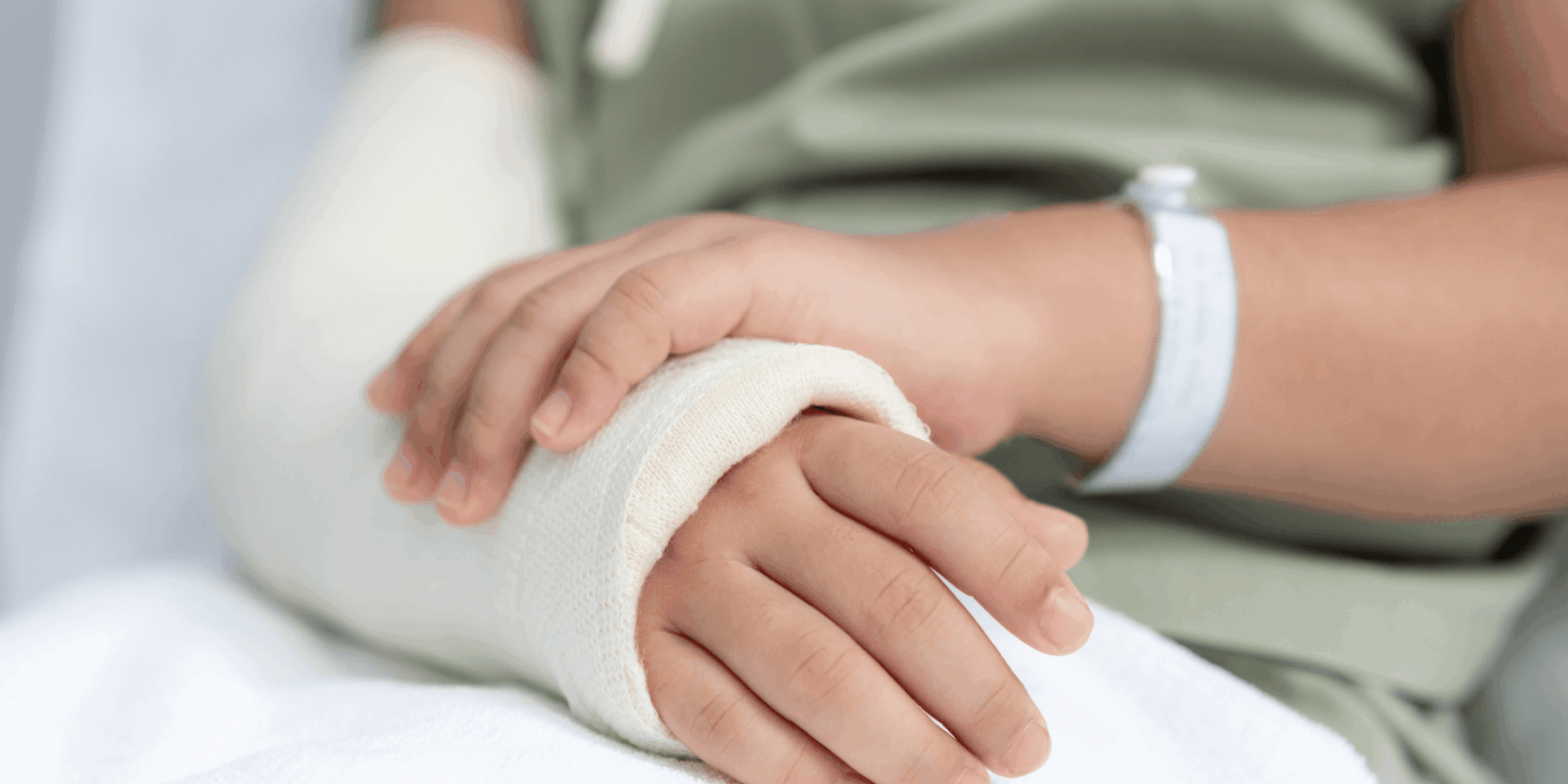
Get Legal Help Now After a Washington Motorcycle Crash with Broken Bones
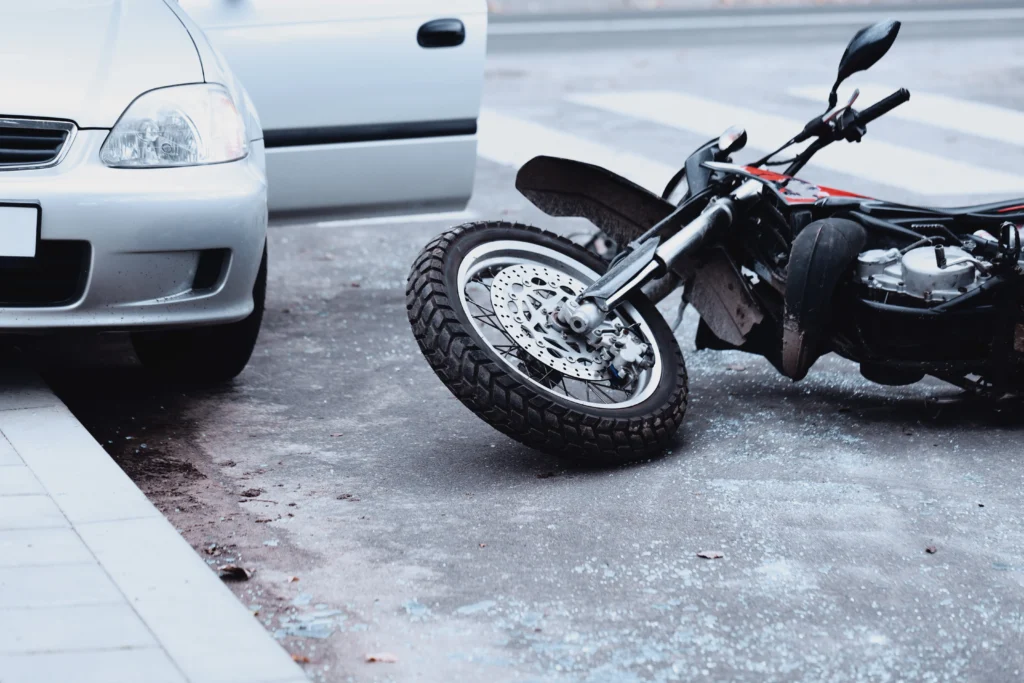
Motorcycle crashes in Washington often lead to fractured bones, crushed joints, and long-term mobility issues. When that happens, fast legal action protects your claim. At Bernard Law Group, we’ve helped riders recover compensation after suffering broken legs, shattered wrists, cracked ribs, and spinal fractures on Washington roads. From I-5 to SR-14, our attorneys pursue every dollar the insurance companies try to deny.
Fracture injuries need more than ER treatment. Riders often face surgery, rehab, missed work, and pain for the rest of their life. But insurers are quick to minimize your recovery. That’s why we move faster. If your Washington motorcycle accident involved broken bones, call Bernard Law Group at (206) 312-3908 for a free case review.
According to the Washington State Department of Health, unintentional injury is among the top reasons for hospitalization in the state. Motorcycle crashes play a major part in that.
It does not matter whether your accident happened on a Seattle hillside, a Spokane backroad, or a Tacoma-area freeway, our attorneys are ready to act fast. We investigate the scene, obtain evidence, and calculate the actual cost of your injuries.
Do not accept a low offer that will not even cover physical therapy. Let our team build a claim that reflects the actual severity of your injuries. We battle the insurance companies so you do not have to.
Washington Motorcycle Fractures Often Require Surgical Hardware That Causes Long-Term Damage
Motorcycle crashes in Washington commonly lead to serious orthopedic trauma. These injuries go beyond simple breaks. Riders often suffer from crushed bones and joint separation that require immediate surgical hardware implantation. Plates, rods, screws, and wires are used to stabilize fractured bones, but they rarely restore the body to its original condition. If another person caused your crash, your claim must include compensation for the physical devices left behind.
Surgeons across the state place hardware inside fractured bones after severe wrecks. Yet most insurance adjusters treat these cases like sprains. They ignore post-surgical limitations, nerve irritation, and future corrective procedures. The Centers for Advanced Orthopaedics warns that many patients will eventually need follow-up surgery to remove or replace implanted hardware. Despite this, insurance companies rarely mention that possibility in their first offer. We do. We push your case forward using hard evidence, not assumptions.
Fracture Hardware Complicates Recovery After Washington Motorcycle Crashes
After a motorcycle wreck, orthopedic surgeons often install internal metal to stabilize breaks. While this can support healing, it also creates a new layer of trauma. Devices can trigger nerve pain, limit joint movement, and cause lifelong inflammation. These complications must be documented and included in your legal demand.
As your body adjusts to the implant, it can react negatively. You may experience sharp pain while walking, stiffness in cold weather, or weakness when lifting objects. These are not minor side effects. They interfere with your ability to work, drive, and function daily. At Bernard Law Group, we understand that Washington broken bones leave more than scars, they rewrite how you live.
Plates and Screws in Long Bone Fractures
Metal plates are anchored into fractured bones with screws. This method is used in high-impact breaks involving arms, legs, and shoulders. Though these plates provide support, they also disrupt the bone’s natural flexibility. The Cleveland Clinic explains that some patients will develop stiffness or weakness around the implant, especially when recovery timelines are rushed.
For riders injured in Seattle or Spokane motorcycle crashes, hardware often remains in place for years. Our attorneys work with your doctors to collect surgical notes, therapy records, and mobility evaluations. If you cannot lift, bend, or run like before, your legal claim must reflect that reality.
Rods Placed in the Femur or Tibia After High-Force Impacts
Intramedullary rods are inserted into the central shaft of long bones to support major fractures. These devices are common after leg crush injuries when a rider is pinned between the motorcycle and another vehicle. While they stabilize bone fragments, they also interfere with natural walking mechanics and can lead to long-term pain during movement.
Motorcyclists who suffer these injuries in Washington often require walking aids, joint injections, and in some cases, hardware removal. According to UCSF Health, implants near joints can increase the risk of arthritis and reduce mobility. We factor these long-term limitations into your claim by reviewing medical imaging, post-operative evaluations, and future treatment plans.
Hardware Removal and Revision Surgery Increase the Cost of Recovery
Once a fracture heals, many patients face the difficult decision of whether to keep or remove their hardware. Removal requires another invasive surgery and carries new risks. Pain, infection, nerve injury, and repeat immobilization are common. Insurance companies often ignore these realities unless they are forced to address them in writing.
The American Academy of Orthopaedic Surgeons notes that even well-positioned hardware can create complications over time. Removal surgery is not cosmetic. It becomes necessary when tissue inflammation, poor bone integration, or mechanical failure begins to impact daily life. When that happens, the cost of recovery doubles and your settlement must reflect it.
Implants Often Lead to Nerve Compression and Chronic Pain
Surgical hardware can irritate surrounding nerves and tissues, especially when placed near joints or under muscle. Over time, this irritation develops into neuropathic pain. Victims describe shooting sensations, numbness, and pins-and-needles in the affected area. These symptoms often persist even after the bone fully heals.
Our law firm fights for compensation that includes long-term nerve damage. We use neurology reports, physical therapy logs, and pain management notes to prove that the hardware you received created new limitations you never had before the crash.
Washington Motorcycle Riders Face Unique Risks for Long-Term Implant Issues
Cold weather, uneven road surfaces, and steep gradients on Washington highways create extra stress on healing bones. Riders recovering from surgery often struggle with mobility during winter months or in hilly terrain. These geographic realities increase the likelihood of chronic pain and re-injury. Yet most insurers base compensation on short-term recovery timelines.
From Everett to Bellingham, we represent riders who experience seasonal flare-ups in pain due to their implanted hardware. We show how these symptoms impact work attendance, transportation access, and home responsibilities. Your claim must account for regional factors, not just medical averages.
Our Case Strategy for Washington Motorcycle Fracture Claims
Motorcycle accident victims with broken bones in Washington deserve a case strategy that goes beyond basic paperwork. Insurance companies rush to settle fracture claims for far less than their true value. At Bernard Law Group, we take a structured and aggressive approach that forces insurers to pay attention. We build every fracture case with the assumption that it will go to court. That preparation increases the value of your claim from day one.
Our legal team knows the medical, occupational, and long-term impacts of motorcycle-related fractures. We analyze imaging studies, document functional loss, and secure future care estimates. From the moment you contact us, we begin collecting time-sensitive evidence. The Washington State Department of Labor and Industries outlines how broken bones can affect work status and mobility. That reality drives our demand strategy forward in every injury case we handle.
We Build Washington Fracture Claims Around Real Medical Records
Broken bones create clear disruption, but insurance adjusters often use gaps in documentation to reduce compensation. They look for delays in treatment, missed therapy sessions, or vague diagnoses. We stop that tactic immediately. Our firm works directly with orthopedic providers across Washington to gather imaging studies, surgical reports, and rehabilitation summaries.
In cases involving surgical hardware or complex fractures, we obtain long-term projections from treating physicians. These include expected range-of-motion deficits, permanent work restrictions, and the likelihood of additional procedures. If your fracture will require another surgery, your settlement must include that cost. We use this data to prepare a comprehensive and compelling demand.
Our Team Documents Every Setback During the Healing Process
Motorcycle crash victims often suffer complications during fracture recovery. These can include infections, hardware shifting, joint stiffness, or non-union of the bone. Each of these setbacks increases your medical expenses and delays your return to work. We track every development and include it in your claim.
We also collect updates from physical therapists and occupational therapists to show the limits placed on your daily life. The Johns Hopkins Department of Orthopaedic Surgery confirms that severe fractures often need months of therapy to rebuild strength and mobility. That kind of care comes with real costs. Our goal is to recover all of them.
We Investigate the Crash Scene to Lock in Liability Early
Every strong fracture claim starts with proof of fault. We secure traffic camera footage, witness statements, and 911 transcripts as soon as possible. From Pierce County highways to side streets in Spokane Valley, our firm investigates the location of every crash.
We often find that driver error, poor visibility, or dangerous road conditions contributed to the wreck. If you were hit while riding lawfully, your right to recover damages must be enforced. We use local traffic laws, accident reconstructions, and vehicle damage reports to back your version of events.
We Preserve the Evidence That Makes Your Injury Claim Stronger
Physical evidence disappears quickly after a motorcycle crash. Skid marks fade, traffic cameras overwrite footage, and witnesses forget details. Our legal team moves fast. We issue preservation requests and secure all documentation before the insurer can spin the story.
We also review helmet damage, clothing tears, and vehicle impact points to show how the collision caused your fracture. If your leg broke because a driver failed to yield at a stoplight, we make that link clear in writing and in court.
We Pursue Maximum Compensation Based on Real Losses
A clean fracture might heal in six weeks, but a crash-related fracture rarely plays out that way. Washington motorcycle riders often need hardware, pain management, and extended recovery time. If your injury affected your ability to work, care for your family, or move independently, your settlement must reflect that.
Our legal team includes wage loss claims, projected future income reductions, and disability-related life changes in every demand. For clients with permanent impairment, we also work with life care planners and economists to calculate long-term damages.
We Do Not Accept Low Offers for High-Impact Injuries
Many firms accept early settlements to avoid litigation. We don’t. At Bernard Law Group, we only recommend a settlement if it covers the real cost of your recovery. When adjusters delay, deny, or downplay your broken bones, we escalate the pressure.
Our track record in Washington fracture cases shows that thorough documentation and legal readiness lead to better results. Insurance companies know which firms prepare every case for court. That knowledge increases the value of your claim before trial ever starts.
Insurance Companies Undervalue Broken Bones After Washington Motorcycle Accidents
Insurance carriers work fast to devalue fracture claims after motorcycle crashes in Washington. From the moment the police report is filed, adjusters begin their effort to downplay your injuries. They use medical coding loopholes, staged negotiation tactics, and incomplete payout models to push lowball offers. Most victims never realize how much money gets left on the table. At Bernard Law Group, we do. That is why we fight aggressively for full compensation after every broken bone caused by negligence.
The National Association of Insurance Commissioners explains that insurers use adjuster discretion, not medical evidence, to evaluate injury claims. This subjective method favors the carrier, not the victim. If you do not have legal representation, your fractured arm or leg may be treated the same as a bruise. That mistake costs victims thousands of dollars across Washington every year.
Insurance Adjusters Use Delay Tactics to Pressure Fracture Victims
Timing matters after a motorcycle wreck. Insurance companies often delay their response on purpose. They wait for the medical bills to pile up, knowing that financial pressure will push victims into accepting less. We stop that strategy early. From the first phone call, we take over communication and apply pressure of our own.
These delays are not accidental. Adjusters know that gaps in treatment, missed therapy appointments, or unpaid invoices weaken your claim. Our team tracks your medical progress and steps in to document every part of the healing process. That keeps your case active and pushes settlement discussions forward on your terms.
Fractures Are Medical Emergencies That Deserve Full Value
Broken bones require immediate imaging, surgical evaluation, and immobilization. Yet insurance carriers often argue that fractures are minor or temporary. They base payouts on outdated recovery timelines and ignore modern research. The American College of Emergency Physicians confirms that orthopedic injuries often come with long-term complications, especially when hardware is involved.
You are not just paying for the cast. You are covering the surgery, physical therapy, assistive devices, transportation delays, and time away from work. Our legal team builds claims that show the full extent of these damages. We present this evidence in a structured and aggressive format that forces insurance carriers to negotiate honestly.
Many Washington Riders Settle Before Understanding the Full Injury
Some fracture symptoms take weeks to fully surface. Nerve damage, joint stiffness, and secondary surgeries often occur after the initial diagnosis. Insurance companies know this. That is why they offer fast settlements before you can get a second opinion. We advise clients never to sign anything until they understand the complete scope of their injuries.
Broken wrists can cause grip weakness. Fractured ankles may never regain full rotation. Collarbones can heal misaligned. If you take a check before learning what recovery really involves, you may never receive compensation for what lies ahead. We work with your doctors and therapists to calculate future medical costs and include them in your claim.
Riders With Surgical Hardware Face Years of Limitations
Plates, rods, and pins often remain inside the body long after the fracture heals. These devices restrict motion and cause pain in daily activities. That reality should raise your settlement value, not reduce it. Unfortunately, insurance adjusters often treat these cases like simple fractures.
As the HealthPartners Orthopedic Institute explains, even “healed” fractures with hardware may result in a loss of strength, discomfort during motion, or permanent restrictions. We document each of these effects and translate them into monetary damages using case law and expert-backed analysis.
We Push Back When Insurance Companies Use Fault to Deny Claims
Adjusters routinely claim that riders caused their own injuries by speeding, lane splitting, or failing to wear proper gear. These arguments ignore Washington’s comparative fault laws, which allow injured riders to recover damages even when partially at fault. Our attorneys understand these legal standards and apply them effectively in every case.
We use traffic camera footage, scene photos, and witness statements to establish what really happened. If you were rear-ended at an intersection or struck during a left-hand turn, the insurance company does not get to walk away from liability. We hold them accountable for the full damage done to your body and your future.
Your Fracture Claim Must Cover More Than Immediate Medical Bills
Washington motorcycle accident victims often face more than hospital charges. The impact of a broken bone reaches into lost wages, vehicle modifications, child care costs, and long-term pain management. We include all of it. When insurance companies focus only on ER records, they intentionally miss half the story.
Our team tracks every receipt, every therapy visit, and every occupational limitation. We also include lost career opportunities, physical limitations, and emotional stress. These factors matter in serious fracture claims. We work relentlessly to ensure your recovery gets the financial recognition it deserves.
Call a Washington Motorcycle Injury Lawyer for Help With Broken Bone Claims
Broken bones from a motorcycle accident can change everything. If you cannot return to work, drive, or care for your family like you used to, you need legal support that delivers. At Bernard Law Group, we do not wait for insurers to play fair. We act fast, build your claim around the real damage, and push for every dollar you are owed under Washington law.
Whether you suffered fractures in Seattle, Spokane, Tacoma, or along I-5, our legal team is ready to step in. You do not pay us unless we win. Start your case today with no cost and no delay.
Call Bernard Law Group at (206) 312-3908 now or schedule your free consultation online. We handle complex motorcycle fracture claims statewide and fight to recover full compensation for riders injured on Washington roads.
Practice Areas
Trust Us With Your Personal Injury Claim
If you or a loved one have been injured, Bernard Law Group will fight for you every step of the way. We will give our all to secure the compensation you rightfully deserve.







Contact usfor a free consultation.
Phone: (206) 312-3908